Urgent Care & Walk-ins are Welcome!

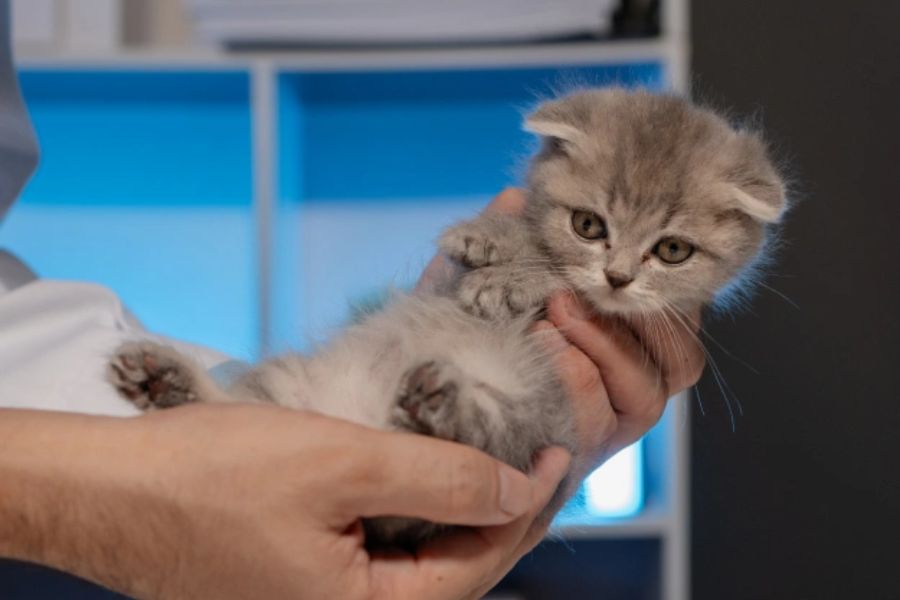
Welcoming a new furry friend into your home is exciting—and a bit overwhelming. Whether you’re team puppy or team kitten, both bring love, energy, and their unique challenges. But caring for each is not one-size-fits-all. Puppies and kittens have different needs when it comes to nutrition, training, grooming, and behavior.
In this guide, we’ll dive into the major differences and share essential tips every new pet parent must know. So, let’s settle the puppy vs. kitten debate—with love and knowledge!
Feeding the Fur Babies: Nutrition That Nurtures
From the start, nutrition lays the foundation for your pet’s health. While both puppies and kittens require diets rich in proteins and fats, the formulations differ greatly.
Puppies need high-calorie food to fuel their rapid growth. Their meals must include DHA for brain development and calcium for bone strength. Meanwhile, kittens also require high-protein diets, but they need more taurine to support vision and heart health.
✅ Tip: Always choose food labeled specifically for the “growth” or “puppy/kitten” stage.
Clean and Cute: Grooming Routines That Matter
Despite their tiny size, puppies and kittens need regular grooming, but in different ways.
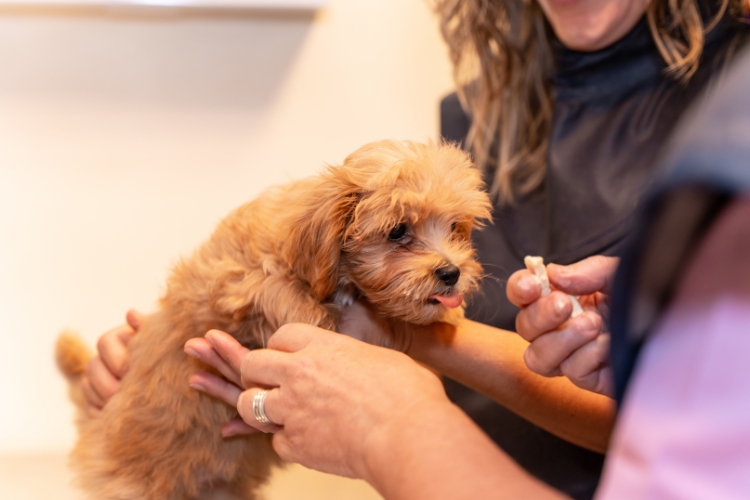
Puppy care often includes regular baths, nail trims, and brushing. Breeds with longer coats might need daily brushing to avoid mats and tangles.
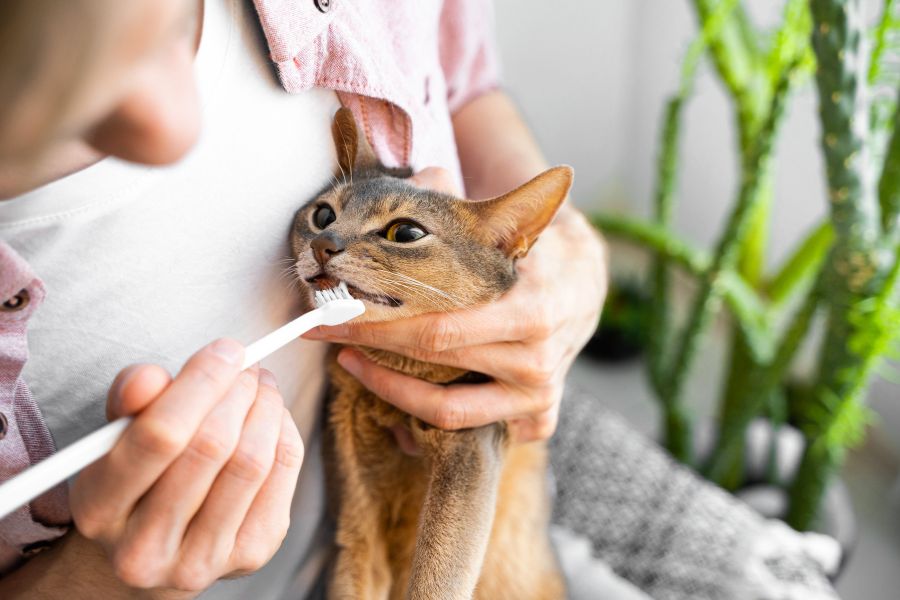
On the other hand, kittens are self-groomers. However, they still need occasional brushing, especially long-haired breeds. Nail trims and ear checks should also be routine.
✅ Tip: Start grooming early to make it a positive experience.
Training Tales: Discipline Starts Early
Training is where puppies and kittens truly show their differences. Puppies are highly trainable but require more effort and patience. Crate training, leash walking, and potty training are essential from day one.
Kittens, by contrast, usually learn litter box habits from their mother. Though more independent, they can be trained to respond to their name, use scratching posts, and even learn tricks with the right motivation.
✅ Tip: Use positive reinforcement like treats and praise—never punishment.
Vet Visits & Preventive Care
Both puppies and kittens need regular veterinary care. This includes:
- Initial vaccinations
- Deworming
- Flea and tick prevention
- Spay or neuter procedures
However, puppies may need more frequent outdoor-related health checks due to walks and socialization. Kittens, especially indoor ones, might be slightly less exposed, but still need routine vet visits.
💉 Tip: Schedule your first vet visit within the first week of adoption.
For those seeking professional puppy care & kitten care in Bentonville, AR, make sure your chosen clinic offers comprehensive wellness plans tailored to your pet’s breed and age.
Emotional Bonds: Socializing and Play
Puppies tend to crave constant attention. They bond deeply and are often more reliant on their humans for emotional support. They need consistent socialization with people and other dogs.
Kittens, while affectionate, can be more aloof or independent. Socializing a kitten early helps them grow into friendly, well-adjusted cats.
🧸 Tip: Invest in age-appropriate toys and spend time playing every day—it builds trust and strengthens your bond.
Space and Safety at Home
Puppies will chew everything. Kitten-proofing and puppy-proofing your home are similar, but not identical.
- Hide electrical cords
- Use baby gates for puppies
- Secure windows for kittens
- Keep toxic plants and foods out of reach
🎯 Tip: Create a “safe space” where your pet can rest and feel secure. For kittens, it might be a cozy corner. For puppies, a crate often does the trick.
Choosing between a puppy and a kitten depends on your lifestyle, time commitment, and personal preferences. Puppies might be more demanding initially, but reward you with loyalty and energy. Kittens may be easier to care for in some ways, but they need just as much love and attention to thrive.
Regardless of your choice, becoming a pet parent is a rewarding journey filled with joy, learning, and unforgettable memories.
Remember, every puppy and kitten is different. Trust your instincts, consult your vet, and enjoy every moment with your furry friend!
FAQs: Puppy and Kitten Care Simplified
Q1. How soon should I start training my puppy or kitten?
A: Start immediately. Training from day one establishes rules and builds good habits early.
Q2. Can puppies and kittens live together?
A: Yes, with proper introduction and supervision, they can grow into the best of friends.
Q3. How often should I feed my puppy or kitten?
A: 3–4 small meals a day are ideal for young pets, gradually reducing as they grow.
Q4. Do kittens need as many vaccinations as puppies?
A: Yes. Both require a series of vaccinations to protect against common diseases.
Q5. What’s the best age to adopt a puppy or kitten?
A: Ideally, after 8 weeks, this allows time for weaning and learning vital social skills from their mother.