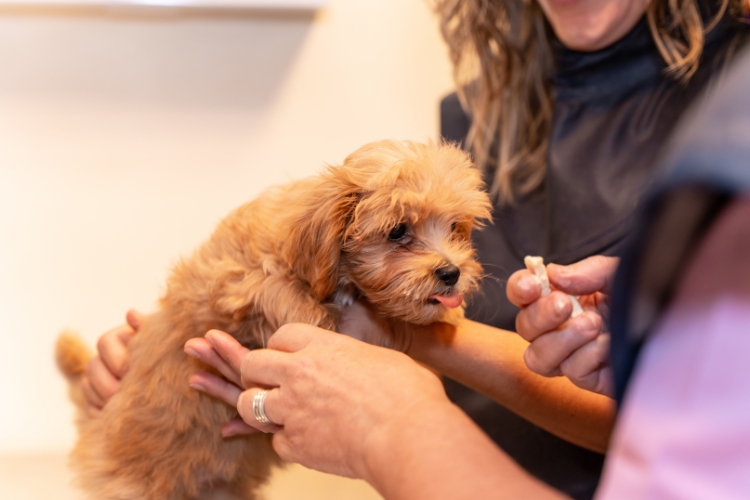
Urgent Care & Walk-ins are Welcome!

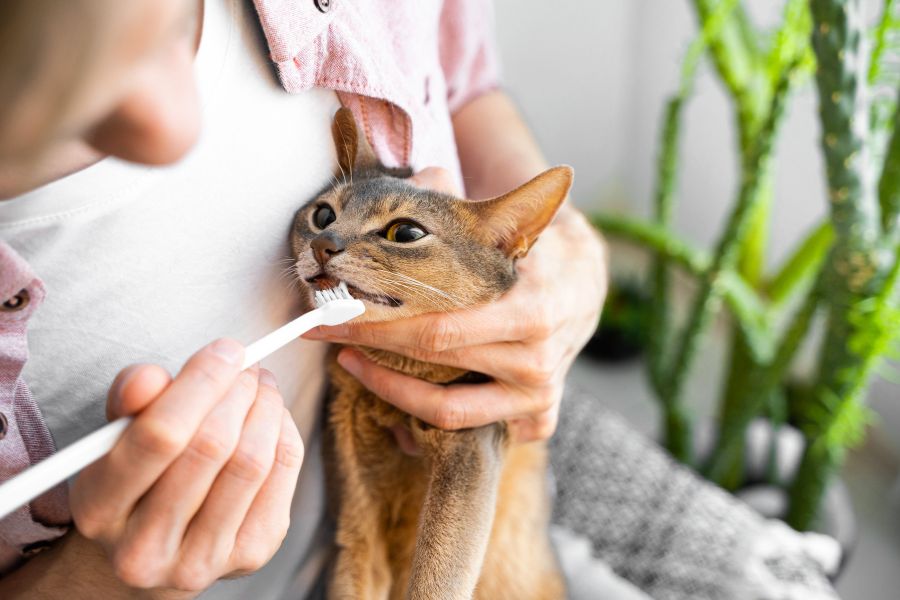
Cat gingivitis is one of the most common dental problems seen in cats of all ages. Many pet parents believe that bad breath or red gums are minor issues that can be treated with simple home remedies. However, untreated gum disease can quickly turn into painful infections and serious health concerns. Understanding the truth about cat gingivitis can help you protect your cat’s comfort and long-term health. Let’s break down common myths and explain why professional care plays a vital role in proper kitten care and adult cat wellness.
What Is Cat Gingivitis?
Cat gingivitis is inflammation of the gums caused by plaque and bacterial buildup along the gumline. Over time, bacteria irritate the gum tissue, leading to redness, swelling, and bleeding. If left untreated, gingivitis can progress to periodontal disease, which damages the tissues and bone that support your cat’s teeth.
Common signs include:
- Red or swollen gums
- Bad breath
- Drooling
- Difficulty eating
- Pawing at the mouth
- Bleeding from the gums
- Decreased appetite
Even mild symptoms should not be ignored. Early intervention can prevent long-term damage.
Myth #1: “It’s Just Bad Breath”
Many cat owners assume that bad breath is normal. While a mild odor may occur occasionally, persistent foul breath is often a sign of infection or gum disease. In reality, bad breath is usually one of the first warning signs of cat gingivitis. Bacteria in the mouth release toxins that irritate the gums.
Myth #2: “Home Remedies Can Cure It”
There are many online suggestions for treating cat gingivitis at home, including:
- Coconut oil applications
- Herbal rinses
- Apple cider vinegar
- Dental powders added to food
While some of these may temporarily reduce odor, they do not remove hardened tartar under the gumline. Once plaque becomes tartar, it requires professional dental cleaning under anesthesia. Home care can support oral health, but it cannot reverse established gum disease. Relying solely on home remedies allows the infection to persist silently beneath the surface.
Myth #3: “My Cat Is Too Young for Dental Problems”
Many pet parents are surprised when young cats develop gingivitis. However, dental issues can begin early in life.
Proper kitten care includes:
- Early oral exams
- Monitoring baby teeth
- Checking for retained baby teeth
- Discussing dental hygiene with your veterinarian
Starting dental care early reduces the risk of severe periodontal disease later. Kittens can benefit from early preventive visits to ensure healthy gum development.
Myth #4: “If My Cat Is Eating, Everything Is Fine”
Cats are experts at hiding pain. A cat with gingivitis may continue eating even when their mouth hurts.
Instead of stopping food completely, they might:
- Chew on one side
- Drop food from their mouth
- Prefer soft food
- Eat more slowly than usual
These subtle changes often go unnoticed. Regular dental exams at a trusted veterinarian can help detect problems before they become severe.
Why Professional Treatment Is Necessary?
Professional dental treatment addresses both visible and hidden issues.
A typical dental procedure includes:
- Full oral examination
- Dental X-rays (to detect bone loss or root problems)
- Scaling above and below the gumline
- Polishing to smooth tooth surfaces
- Extraction of severely damaged teeth (if necessary)
This process removes tartar buildup and treats infection at its source. Without this level of care, bacteria remain trapped under the gums.
The Health Risks of Ignoring Cat Gingivitis
Untreated gum disease doesn’t just affect the mouth. Bacteria can enter the bloodstream and impact vital organs such as:
- Heart
- Kidneys
- Liver
Chronic dental infections can shorten your cat’s lifespan and significantly reduce the quality of life. For cat owners in Bentonville proactive dental care is an important part of overall feline wellness.
How Cat Gingivitis Is Diagnosed
A veterinarian will examine:
- Gum color and texture
- Tartar buildup
- Tooth mobility
- Signs of pain
- Oral lesions
In some cases, blood work may be recommended to evaluate your cat’s overall health before anesthesia.
The Role of At-Home Dental Care
While home remedies cannot cure gingivitis, daily care plays an important supportive role.
Effective at-home practices include:
- Brushing with cat-safe toothpaste
- Dental treats approved by veterinarians
- Prescription dental diets
- Water additives recommended by your vet
Consistency is key; brushing several times per week can significantly reduce plaque buildup between professional cleanings.
Preventing Cat Gingivitis
Prevention is easier and more affordable than treatment.
Here’s how to protect your cat:
1. Schedule Regular Dental Exams
Annual wellness visits allow early detection of gingivitis.
2. Start Dental Care During Kitten Care
Introduce brushing early so your cat becomes comfortable with oral handling.
3. Maintain a Healthy Diet
Proper nutrition supports immune health and reduces inflammation.
4. Watch for Subtle Signs
Red gums, drooling, and bad breath should never be ignored.
When you notice symptoms, search for a veterinarian near you to get timely professional guidance.
Special Considerations for Chronic Gingivitis
Some cats develop chronic gingivostomatitis, a more severe inflammatory condition. These cases often require advanced treatment, including medication or extractions. If your cat experiences recurring gum inflammation despite cleaning, your veterinarian may recommend further diagnostics or referral to an expert in dental care. Early care improves outcomes and prevents long-term discomfort.
Why Local Veterinary Care Matters
Choosing a local clinic in Bentonville, AR ensures:
- Faster appointments
- Ongoing dental monitoring
- Access to emergency support
- Personalized care plans
Dogwood Trails Animal Hospital understands the dental health needs of cats in the Bentonville community. With professional dental services and preventive guidance from a trusted hospital, your cat receives comprehensive care beyond what home treatments can provide. If you are searching for a “veterinarian near me” for concerns about cat gingivitis or kitten care, scheduling a dental exam is the safest next step.
Your Action Plan for a Healthier Smile
Instead of relying only on home remedies, take these steps:
- Check your cat’s gums monthly
- Begin brushing if you haven’t already
- Schedule a dental evaluation
- Follow professional recommendations
- Keep up with routine wellness visits
Healthy gums support a longer, happier life for your feline companion.
FAQs
1. Can cat gingivitis go away on its own?
Ans: No, mild inflammation may temporarily improve, but without professional dental cleaning, bacteria remain under the gums, and the condition usually worsens.
2. How much does dental treatment cost in Bentonville, AR?
Ans: Costs vary depending on severity and whether extractions are needed. A local veterinary clinic near you can provide an estimate after an exam.
3. Is anesthesia safe for dental cleanings?
Ans: Yes, modern veterinary medicine uses monitoring equipment and pre-anesthetic testing to reduce risks. The benefits of treating infection usually outweigh the risks.
4. How often should my cat have dental checkups?
Ans: Most cats should have a dental evaluation at least once a year. Some may require more frequent visits depending on their condition.
5. What is the difference between plaque and tartar?
Ans: Plaque is a soft bacterial buildup that can be brushed away. Tartar is hardened plaque that requires professional scaling to remove.
6. When should I worry about red gums in my kitten?
Ans: If redness lasts more than a few days or is accompanied by bad breath, drooling, or appetite changes, schedule a veterinary visit promptly. Early kitten care significantly reduces the risk of chronic dental disease.