Urgent Care & Walk-ins are Welcome!
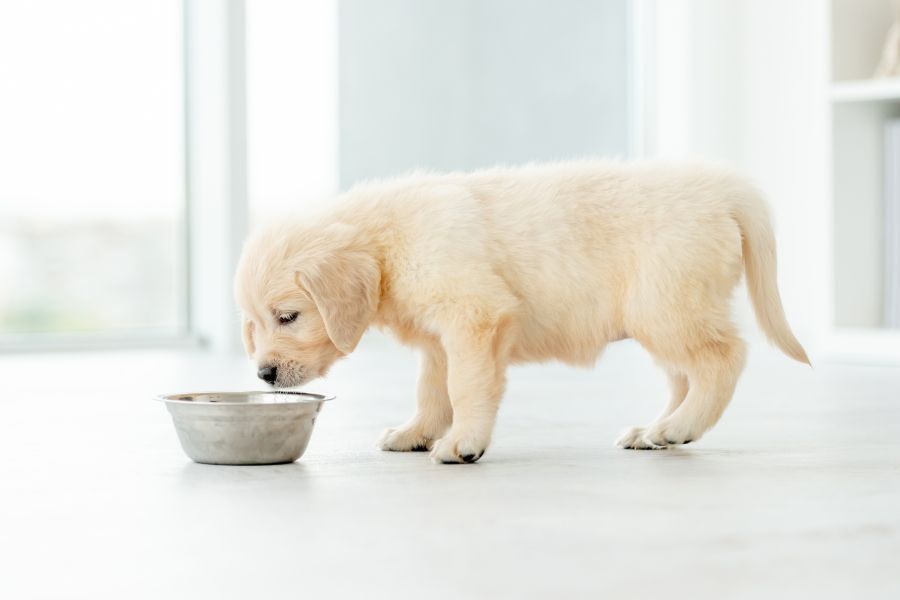
Bringing home a new puppy is exciting, but feeding them the right diet can feel overwhelming. Growing puppies need balanced nutrition to support strong bones, healthy muscles, brain development, and a shiny coat. While traditional puppy food formulas are designed to meet these needs, many pet parents in Bentonville are looking for healthy and delicious alternatives to add variety and freshness to their puppy’s meals.
Why Proper Puppy Food Matters?
Puppies grow quickly during their first year of life. Their bodies need:
- High-quality protein for muscle development
- Healthy fats for brain and energy support
- Calcium and phosphorus for bone growth
- Essential vitamins and minerals for immune health
Not all puppy food is created equal. Some lower-quality brands contain fillers, artificial colors, and preservatives. Choosing healthier alternatives while still keeping your puppy’s diet balanced is a key part of responsible puppy care.
When Should You Consider Puppy Food Alternatives?
You may want to explore alternatives if your puppy:
- Has food sensitivities or allergies
- Experiences digestive upset
- Is a picky eater
- Needs extra nutritional support
- Requires a special diet recommended by a veterinarian
Balanced nutrition is critical during early development for puppies.
Healthy Puppy Food Alternatives
Here are safe and nutritious options that can complement or sometimes replace traditional puppy food with veterinary guidance.
1. Cooked Lean Meats
Lean proteins are excellent additions to your puppy’s diet. Good choices include:
- Boiled chicken (no seasoning, no bones)
- Lean ground turkey
- Lean beef (fully cooked)
Protein supports muscle growth and keeps puppies energized. Always remove bones and avoid seasoning, garlic, or onions, which can be harmful.
2. Plain Cooked Vegetables
Vegetables provide fiber, vitamins, and antioxidants. Safe options include:
- Carrots
- Green beans
- Sweet potatoes
- Pumpkin (plain, not pie filling)
Cook vegetables until soft and cut into small pieces. These can be mixed into puppy food to improve taste and nutrition.
3. Plain Rice or Oatmeal
If your puppy has an upset stomach, plain white rice or oatmeal can be soothing. These grains are easy to digest and can temporarily replace part of regular puppy food during mild digestive issues.
However, grains alone are not complete nutrition. Always combine them with protein and consult your veterinarian for long-term feeding plans.
4. Eggs
Cooked eggs are packed with protein and healthy fats. Scrambled or boiled eggs (without butter or seasoning) can be a great occasional addition. They support healthy skin and coat development.
5. Cottage Cheese or Plain Yogurt
Small amounts of plain, unsweetened yogurt or cottage cheese can support gut health due to natural probiotics. Make sure your puppy tolerates dairy, as some dogs can be sensitive.
6. Fresh Fruits (In Moderation)
Certain fruits are safe and refreshing for puppies, including:
- Blueberries
- Apples (without seeds)
- Bananas
- Watermelon (no seeds or rind)
These can be healthy training treats and offer vitamins and antioxidants. Always feed fruit in moderation due to natural sugars.
Homemade Puppy Food: Is It Safe?
Some pet owners prefer fully homemade puppy food. While this can work, it requires careful planning. Puppies need very specific nutrient ratios for proper growth. An unbalanced homemade diet can lead to:
- Weak bones
- Joint issues
- Development problems
- Poor immune health
If you’re considering homemade meals, consult professionals, as a veterinarian can help design a nutritionally complete meal plan tailored to your puppy’s breed, size, and health needs.
Foods You Should Never Feed Your Puppy
When exploring alternatives, avoid these dangerous foods:
- Chocolate
- Grapes and raisins
- Onions and garlic
- Xylitol (found in sugar-free products)
- Raw dough
- Cooked bones
- Excess salt or fatty foods
How to Safely Transition to New Puppy Food
Switching foods too quickly can upset your puppy’s stomach. Follow this gradual process:
Day 1–2: 75% old food, 25% new
Day 3–4: 50% old food, 50% new
Day 5–6: 25% old food, 75% new
Day 7: 100% new food
Watch for signs like vomiting, diarrhea, or low energy. If symptoms occur, contact your veterinarian for guidance.
Choosing the Best Commercial Puppy Food
Even if you supplement with alternatives, high-quality commercial puppy food remains the foundation of most diets. Look for:
- A named animal protein is the first ingredient
- AAFCO nutritional adequacy statement
- No artificial preservatives
- Formulas made specifically for puppies
Large-breed puppies especially need carefully balanced calcium levels to prevent joint problems.
Puppy Care Beyond Nutrition
Feeding your puppy well is only one part of responsible puppy care. Regular wellness exams help monitor growth and detect issues early. Vaccinations, parasite prevention, dental care, and proper socialization all support long-term health. Building a relationship with a trusted veterinary team ensures your puppy gets personalized care from day one. At Dogwood Trails Animal Hospital in Bentonville, AR, we help guide families through every stage of puppy development, including nutrition planning and diet adjustments.
Signs Your Puppy’s Diet Is Working
A well-balanced puppy diet should result in:
- Steady weight gain
- Bright, clear eyes
- Shiny coat
- Consistent energy levels
- Firm, regular stools
If you notice changes like hair loss, constant itching, low energy, or digestive problems, your puppy’s food may need adjustment.
Breed-Specific Nutrition Considerations
Different breeds have different nutritional needs.
- Large breeds require controlled calcium and phosphorus levels.
- Small breeds often need calorie-dense food.
- Active breeds may need extra protein and fat.
A professional evaluation can help you tailor your puppy’s diet properly.
Smart Feeding Tips for Growing Puppies
- Feed 3–4 small meals daily until about six months old.
- Always provide fresh water.
- Avoid free-feeding unless recommended.
- Use healthy alternatives as treats rather than meal replacements unless guided by a veterinarian.
- Monitor portion sizes carefully to prevent obesity.
Healthy feeding habits built early create lifelong wellness.
Let’s Support Your Puppy’s Health Together
Your puppy deserves balanced nutrition, loving care, and expert guidance. Whether you’re exploring healthy puppy food alternatives or need help choosing the best commercial diet, professional support makes all the difference.
Dogwood Trails Animal Hospital in Bentonville, AR, provides comprehensive puppy care services, including nutrition counseling, wellness exams, vaccinations, and preventive care. If you’ve been searching for reliable “vets near me” to guide your puppy’s growth journey, our team is here to help.
FAQs
1. Can I completely replace commercial puppy food with homemade meals?
Ans: It’s possible, but only with veterinary guidance. Puppies require precise nutrient ratios, and unbalanced homemade diets can cause developmental problems.
2. How often should I feed my puppy?
Ans: Most puppies need 3–4 meals per day until six months of age. After that, many transition to two meals daily.
3. What is the healthiest protein for puppies?
Ans: Lean meats like chicken, turkey, and beef are excellent protein sources. Always cook thoroughly and avoid seasoning.
4. Are grain-free puppy food options better?
Ans: Not always, grain-free diets are only necessary for specific allergies. Talk to a veterinarian before choosing grain-free formulas.
5. Can puppies eat raw food diets?
Ans: Raw diets carry risks such as bacterial contamination and nutritional imbalance. Consult your veterinarian before considering this option.
6. When should I talk to a veterinarian about my puppy’s diet?
Ans: If your puppy has allergies, digestive issues, poor growth, or low energy, schedule a consultation with a trusted veterinary team.