Urgent Care & Walk-ins are Welcome!

Bringing home a new puppy is exciting, rewarding, and life-changing. However, the first year also comes with many responsibilities. Young dogs require proper nutrition, regular veterinary visits, socialization, training, and preventive health support to grow into healthy adult companions. When pet owners understand what their puppy needs during each stage of development, they can build a strong foundation for lifelong wellness.
At Dogwood Trails Animal Hospital, we believe informed pet parents make the best caregivers. This guide will help you understand what to expect during your puppy’s first year and how to support their physical and emotional development. Families in Bentonville, AR often ask how to prepare for the challenges of raising a young dog, and this article answers the most common questions.
Preparing Your Home for a New Puppy
Before bringing your puppy home, create a safe and comfortable environment. Puppies are naturally curious, which means they often chew, scratch, and explore unfamiliar objects.
Start by puppy-proofing your home:
- Remove electrical cords from reach
- Store cleaning supplies safely
- Keep medications secured
- Block access to unsafe areas
- Remove choking hazards
- Provide chew-safe toys
In addition, set up a dedicated area with:
- A comfortable bed
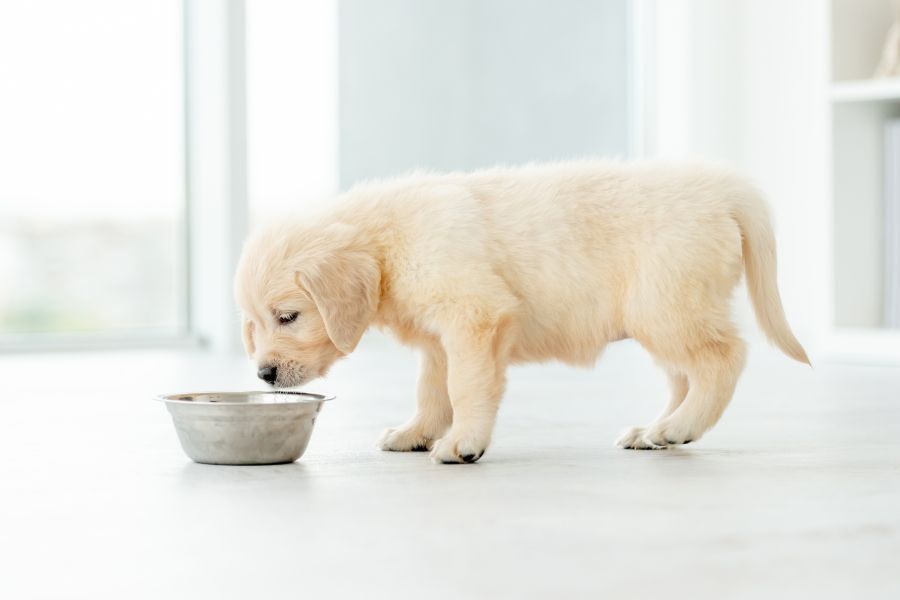
- Food and water bowls
- Crate or playpen
- Puppy pads if needed
- Age-appropriate toys
Consistency helps puppies feel secure. Therefore, establish feeding, potty, and sleeping routines immediately.
Nutrition During the First Year
Proper nutrition supports healthy growth and development. Puppies require balanced meals formulated specifically for their age, size, and breed type.
Large-breed puppies often need different nutritional support than small breeds because they grow at different rates. Your veterinarian can recommend the most appropriate food for your dog.
Feeding Schedule by Age
8 to 12 Weeks
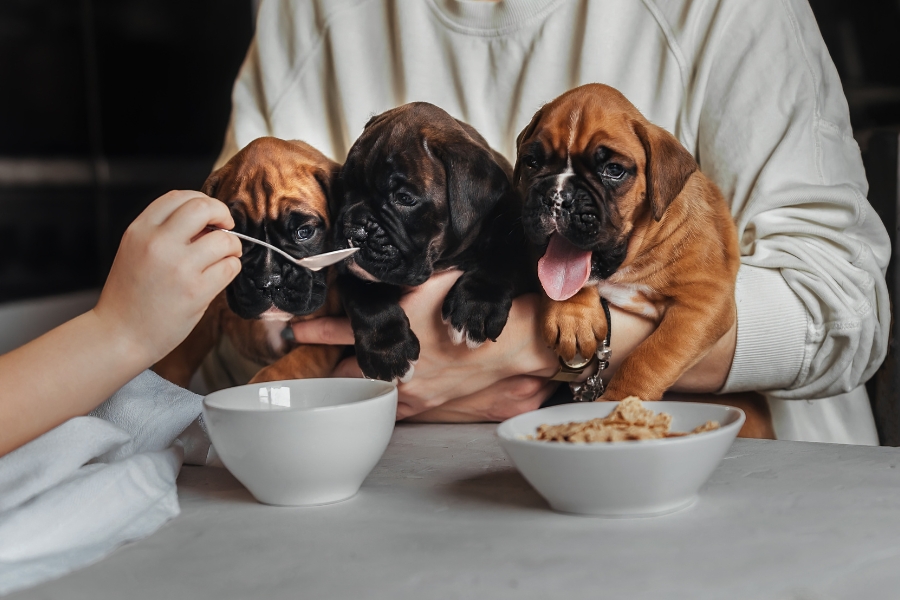
Feed your puppy four small meals daily. At this stage, puppies burn energy quickly and need frequent nourishment.
3 to 6 Months
Most puppies transition to three meals per day. Continue feeding a high-quality puppy diet.
6 to 12 Months
Many puppies can move to two meals daily during this stage. However, some toy breeds may still benefit from more frequent feeding.
Always provide clean, fresh water throughout the day.
Avoid Overfeeding
Overfeeding may lead to unhealthy weight gain and joint stress. Instead of giving excessive treats, use portion-controlled rewards during training sessions.
Healthy nutrition is one of the most important parts of responsible puppy care because it directly affects immune health, bone development, and energy levels.
Veterinary Visits and Wellness Exams
Routine veterinary care protects your puppy from preventable diseases and helps detect health concerns early.
Your puppy’s first veterinary appointment should occur shortly after arriving home. During this visit, the veterinarian will:
- Perform a physical examination
- Discuss vaccination schedules
- Check for parasites
- Review nutrition
- Answer behavioral questions
- Discuss spaying or neutering timelines
Regular wellness exams allow veterinarians to monitor healthy growth throughout the first year.
Core Vaccinations Every Puppy Needs
Vaccinations help protect puppies from serious infectious diseases. Because young immune systems are still developing, timely vaccination is essential.
Core vaccines generally include protection against:
- Distemper
- Parvovirus
- Adenovirus
- Rabies
Non-core vaccines may also be recommended based on your puppy’s lifestyle and risk factors.
Typical Vaccination Timeline
6 to 8 Weeks
Initial vaccine series begins.
10 to 12 Weeks
Booster vaccinations continue.
14 to 16 Weeks
Final puppy boosters are often administered.
Around 16 Weeks
Rabies vaccination is typically given according to local laws.
Your veterinarian may adjust the schedule depending on your puppy’s health history and environment.
Parasite Prevention Matters
Puppies are vulnerable to fleas, ticks, heartworms, and intestinal parasites. Preventive care reduces the risk of serious illness.
Your veterinarian may recommend:
- Monthly heartworm prevention
- Flea and tick prevention
- Deworming treatments
- Routine fecal testing
Parasite prevention should continue throughout adulthood, not only during puppyhood.
Socialization Builds Confidence
Early socialization shapes your puppy’s future behavior. Puppies exposed to positive experiences during the first few months often become more confident and adaptable adults.
Safe socialization opportunities may include:
- Meeting friendly people
- Exposure to different sounds
- Visiting safe environments
- Gentle interactions with vaccinated dogs
- Car rides
- Handling exercises
Positive reinforcement encourages healthy learning experiences.
However, avoid overwhelming your puppy. Introduce new experiences gradually and calmly.
Basic Training Essentials
Training should begin immediately after bringing your puppy home. Short, consistent sessions work best.
House Training Tips
Successful house training requires:
- Frequent bathroom breaks
- Positive reinforcement
- Consistent schedules
- Close supervision
Take your puppy outside:
- After eating
- After naps
- After playtime
- Before bedtime
Reward successful potty trips immediately.
Crate Training
Crates provide safety and structure when introduced correctly. Many puppies learn to see the crate as a secure resting place.
Keep crate experiences positive by:
- Using treats and praise
- Never using the crate as punishment
- Providing soft bedding
- Allowing gradual adjustment
Teaching Basic Commands
Start with simple commands such as:
- Sit
- Stay
- Come
- Leave it
- Down
Use rewards, praise, and patience during training sessions. Puppies respond best to encouragement rather than punishment.
Exercise and Mental Stimulation
Puppies need daily exercise, but too much physical activity may strain developing joints.
Appropriate activities include:
- Short walks
- Gentle play sessions
- Puzzle toys
- Basic training games
- Controlled social play
Mental stimulation is equally important. Interactive toys and learning activities help reduce boredom-related behaviors such as chewing or barking.
Teething and Chewing
Most puppies begin teething around 3 to 4 months of age. During this stage, chewing becomes more intense.
Provide safe chewing outlets such as:
- Rubber chew toys
- Puppy-safe dental chews
- Frozen treats approved by your veterinarian
Discourage chewing on furniture or shoes by redirecting attention toward appropriate toys.
Avoid giving items that may splinter or create choking hazards.
Grooming and Hygiene
Regular grooming keeps your puppy comfortable and healthy. Grooming also helps puppies become comfortable with handling.
Brushing
Brush your puppy regularly to:
- Reduce shedding
- Prevent matting
- Support skin health
- Build positive grooming habits
Long-haired breeds may require more frequent brushing.
Nail Trimming
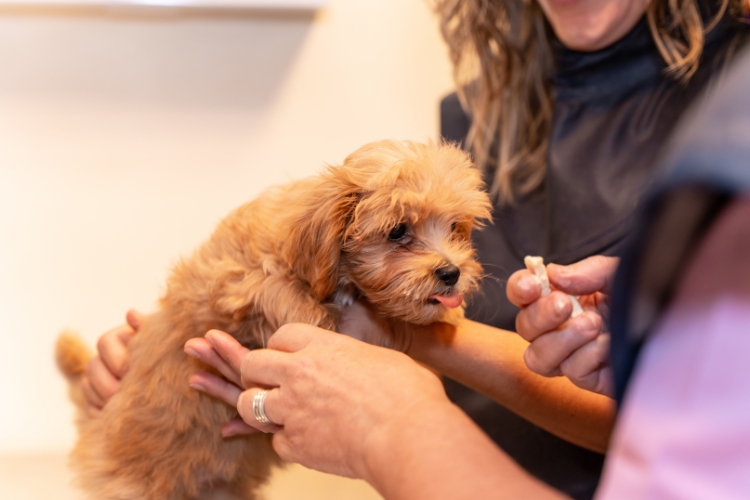
Overgrown nails may cause discomfort and walking issues. Introduce nail trims slowly and positively.
Bathing
Use gentle puppy-safe shampoo when bathing your dog. Excessive bathing may dry out the skin, so only bathe when necessary.
Dental Care
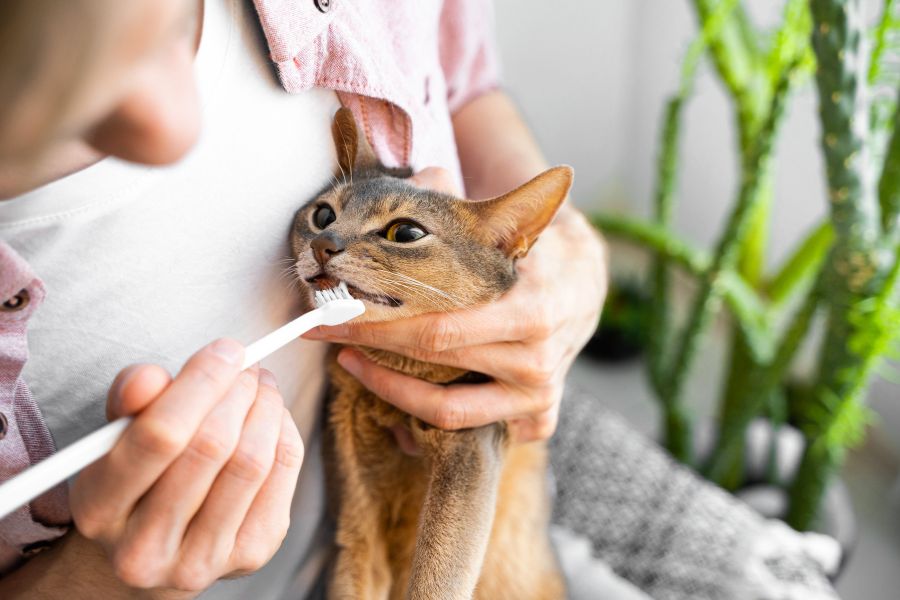
Dental hygiene should begin early. Introduce tooth brushing gradually using pet-safe toothpaste.
Preventive dental habits can reduce future oral health issues.
Understanding Common Puppy Behaviors
Puppies communicate through behavior. While some habits may seem frustrating, many are normal developmental stages.
Nipping and Biting
Puppies explore the world with their mouths. Redirect biting behavior toward toys instead of hands.
Barking
Some barking is natural. However, excessive barking may indicate boredom, anxiety, or lack of stimulation.
Separation Anxiety
Gradual independence training helps puppies become comfortable spending time alone.
Avoid dramatic departures and arrivals. Calm routines help build emotional stability.
Spaying and Neutering Considerations
Spaying or neutering may provide several health and behavioral benefits. Timing depends on breed, size, and individual health needs.
Discuss the ideal timeline with your veterinarian to make the best decision for your puppy.
Monitoring Growth and Development
Every puppy develops differently. Therefore, monitoring growth milestones is important during the first year.
Contact your veterinarian if you notice:
- Poor appetite
- Vomiting or diarrhea
- Persistent coughing
- Lethargy
- Difficulty walking
- Skin irritation
- Sudden behavior changes
Early intervention often improves outcomes and prevents complications.
Building a Lifelong Bond
Strong relationships develop through trust, consistency, and positive experiences. Spend quality time with your puppy daily through:
- Training
- Play
- Walks
- Gentle affection
- Routine care
The first year lays the foundation for a healthy, happy future together.
Responsible puppy care involves more than food and shelter. It includes emotional support, preventive healthcare, and daily interaction that helps your dog thrive.
Why Preventive Veterinary Care Is Important
Preventive veterinary care supports long-term wellness and may help reduce the risk of serious health conditions later in life.
Routine care may include:
- Vaccinations
- Wellness exams
- Parasite prevention
- Nutritional guidance
- Behavioral support
- Dental evaluations
Veterinary guidance helps pet owners make informed decisions throughout every stage of puppyhood.
For families in Bentonville, raising a puppy comes with unique lifestyle considerations including outdoor activity, local weather changes, and social environments. Personalized veterinary guidance helps ensure your puppy receives care tailored to their individual needs.
Your puppy’s first year is filled with learning, growth, and unforgettable moments. With proper nutrition, regular veterinary care, early training, and consistent routines, you can help your puppy develop into a healthy and confident adult dog.
If you are in Bentonville and looking for puppy care near you, book an appointment with Dogwood Trails Animal Hospital. Our veterinary team is committed to helping your puppy stay healthy through every stage of life.
FAQs
1. How often should I take my puppy to the veterinarian during the first year?
Most puppies visit the veterinarian several times during the first year for vaccinations, wellness exams, and preventive treatments. Your veterinarian will create a schedule based on your puppy’s age, breed, and health status.
2. What should I feed my puppy?
Feed a high-quality puppy food formulated for your dog’s size and breed type. Puppies require balanced nutrition that supports healthy growth, immune function, and energy levels.
3. When should I start training my puppy?
Training should begin as soon as your puppy arrives home. Early training helps establish routines, encourages positive behavior, and strengthens communication between you and your dog.
4. How can I stop my puppy from chewing everything?
Provide safe chew toys and redirect unwanted chewing immediately. Puppies often chew during teething, so offering appropriate alternatives helps protect household items.
5. When can my puppy safely socialize with other dogs?
Puppies can begin safe socialization after starting vaccinations. However, avoid contact with unknown or unvaccinated dogs until your veterinarian confirms adequate protection.
6. Why is early preventive care important for puppies?
Preventive care helps protect puppies from infectious diseases, parasites, and other health concerns. Early veterinary visits also support healthy development and allow veterinarians to identify problems before they become serious.