Urgent Care & Walk-ins are Welcome!

Sharing your home with a curious dog or an independent cat brings an incredible amount of warmth, quiet comfort, and gentle companionship to your daily life. From the soothing rhythm of a purring cat curled in your lap to a joyful dog bounding across the living room floor, our animal companions easily secure a permanent place in our hearts. Most pet parents spend hours observing their habits, yet every household eventually faces a moment of sudden panic when a furry friend gets into something they should not.
Curious dogs and cats frequently ingest unexpected foreign objects, ranging from chew toys and clothing items to household bones and rogue pieces of plastic. When you discover that your companion has swallowed something unusual, panic often sets in immediately. Knowing how to react calmly and understanding what clinical steps happen next can make all the difference in safeguarding your pet’s health. Here at Dogwood Trails Animal Hospital in Bentonville, our clinical team frequently guides local pet parents through the diagnostic process when a dog ate something toxic or foreign. Let us walk you through how veterinarians locate obstructions quickly and safely plan effective treatment.
The Immediate Reaction: Staying Calm and Assessing the Situation
Discovering that your dog or cat has swallowed an unauthorized item is an undeniably stressful experience. However, the first and most crucial step is to remain as calm as possible so you can accurately assess the situation and gather vital details for your veterinary team.
Before rushing out the door, try to determine what was ingested, roughly how much of it was consumed, and how long ago the incident occurred. Check the surrounding area for shredded pieces of toys, clothing, or packaging to estimate the size of the missing object. Never attempt to induce vomiting at home unless explicitly instructed to do so by a professional, as certain sharp or linear objects can cause severe internal damage on their way back up. Instead, reach out to your local clinic immediately to provide these details and prepare for a professional evaluation.
Gathering Clinical History and Initial Physical Assessment
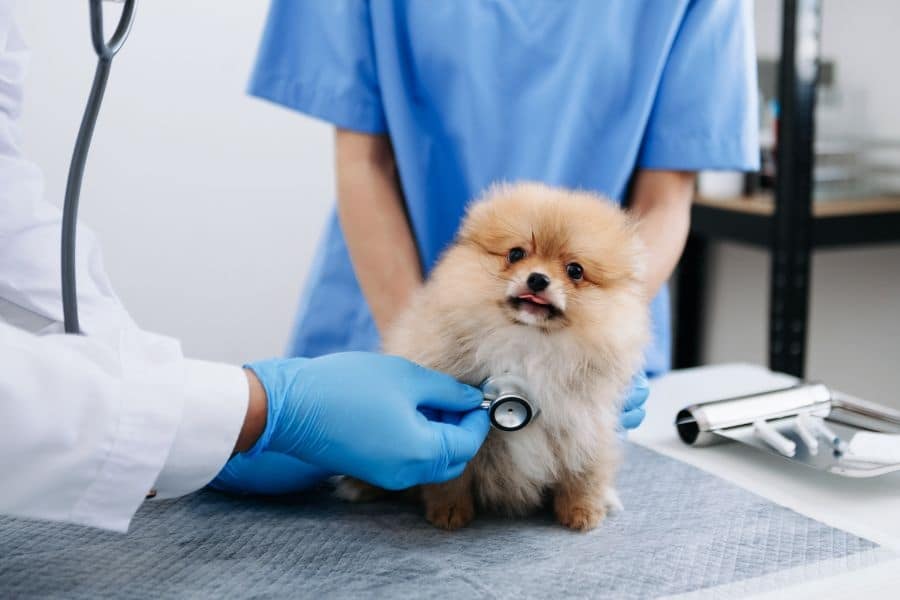
When you arrive at the animal hospital, the diagnostic journey begins with a thorough medical history and physical examination. Veterinarians need a complete picture of your pet’s recent behavior, eating habits, and any physical symptoms they are displaying, such as lethargy, vomiting, loss of appetite, or abdominal tenderness.
During the initial physical assessment, the clinician gently palpates your pet’s abdomen to check for pain, fluid accumulation, or unusual internal masses. While a physical exam provides valuable clues, many foreign objects hide deep within the gastrointestinal tract where manual touch alone cannot reach. This is where advanced diagnostics become an absolute necessity to confirm whether a dog ate something toxic or foreign that requires intervention.
Utilizing Pet X-Rays and Diagnostics for Internal Clarity
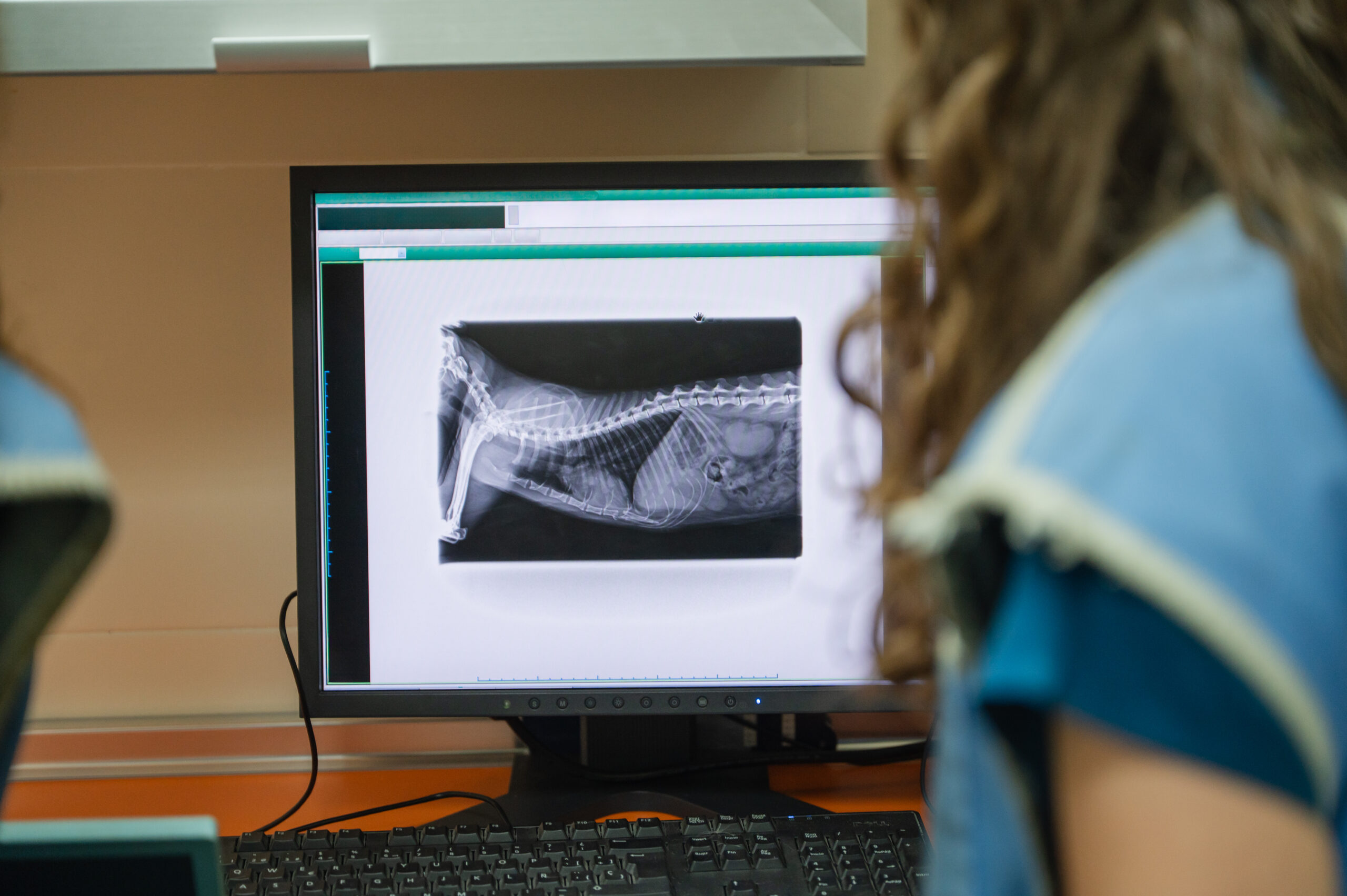
When an obstruction is suspected, diagnostic imaging serves as the ultimate window into your pet’s stomach and intestines. Modern animal hospitals rely heavily on specialized pet X-rays and diagnostics to pinpoint the exact location, size, and nature of an ingested item.
Standard digital radiography is remarkably effective at identifying dense or radiopaque objects, such as metallic toys, bones, rocks, and certain types of hard plastics. However, not all foreign materials show up clearly on a standard radiograph. Soft items like fabric, socks, string, and foam padding often blend into soft tissue shadows, requiring additional diagnostic approaches to ensure nothing is missed.
How Veterinarians Diagnose Foreign Body Obstruction with Contrast
When standard imaging leaves lingering questions, clinicians utilize specialized techniques to uncover the truth. Understanding how veterinarians diagnose foreign body obstruction often involves advanced contrast studies, which provide a detailed roadmap of the digestive tract.
A contrast study involves administering a safe, radiopaque liquid solution, such as barium, either orally or via a feeding tube. As the solution moves naturally through the stomach and intestines over a series of timed X-ray exposures, it highlights any internal blockages, delays in gastric emptying, or abnormal bunching of the intestinal walls caused by linear foreign bodies like yarn or ribbons. This comprehensive method ensures absolute clarity before any surgical or endoscopic removal plan is put into motion.
The Role of Advanced Pet Care Imaging in Safe Treatment Planning
Once the foreign object is located and its impact on the digestive tract is fully understood, the veterinary team can design a precise, individualized treatment plan. Whether the object requires specialized endoscopic retrieval through the mouth or a surgical procedure to clear an intestinal blockage, accurate imaging lays the groundwork for a safe procedure.
Implementing comprehensive pet care imaging protocols minimizes guesswork, reduces recovery times, and ensures your companion receives the exact level of medical intervention required to restore normal digestive health.
Partnering with Your Local Bentonville Animal Care Team
Navigating your companion’s health and wellness journey is always easier when you have a dedicated group of professionals supporting your family. Blending your careful observations at home with professional clinical care creates an unbeatable safety net for your pet.
The staff at Dogwood Trails Animal Hospital loves welcoming local pet families through our doors in Bentonville. Whether your furry friend has gotten into something unexpected, or if you simply want to establish a proactive wellness routine, we are ready to help. Reach out to our friendly clinic today to chat with our team and schedule your pet’s next comprehensive visit.
Frequently Asked Questions
Q1. What are the most common signs that my dog or cat has ingested a foreign object?
Ans: Common signs include sudden vomiting, loss of appetite, lethargy, abdominal pain, straining to defecate, or unusual behavioral changes indicating discomfort.
Q2. Should I try to make my pet vomit at home if I catch them swallowing something unusual?
Ans: No, you should never induce vomiting at home without direct veterinary guidance, as sharp or toxic items can cause severe internal damage if brought back up.
Q3. Why are standard X-rays sometimes insufficient for detecting certain ingested items?
Ans: Standard X-rays capture dense materials well, but soft objects like fabric, socks, and plastics often blend into tissue shadows, requiring additional imaging techniques.
Q4. What is a contrast study and how does it help locate an internal blockage?
Ans: A contrast study uses a safe liquid solution tracked by timed X-rays to outline the digestive tract, highlighting blockages or delays that standard images miss.
Q5. How do veterinarians decide between endoscopic retrieval and surgery for a foreign body?
Ans: The decision depends on the object’s size and location, with endoscopes used for items in the stomach and surgery required for deep intestinal obstructions.
Meta Title
Pet Foreign Body Diagnostics | Dogwood Trails Animal Hospital
Meta Description
Learn how Dogwood Trails Animal Hospital in Bentonville diagnoses and treats pets who swallow foreign objects using advanced X-rays and imaging.
SEO-Friendly URL Slug
pet-swallowed-foreign-object-diagnostics-bentonville