Urgent Care & Walk-ins are Welcome!

Pets cannot tell us when something feels wrong, which is why veterinary diagnostic testing plays such an important role in identifying illness early. Many medical conditions begin with subtle symptoms that may be easy to overlook at home. Changes in appetite, energy levels, bathroom habits, or behavior can sometimes signal underlying health concerns that require professional evaluation.
Diagnostic testing allows veterinarians to look beyond visible symptoms and better understand what is happening inside your pet’s body. Bloodwork, X-rays, ultrasounds, and laboratory testing can help detect disease earlier, confirm diagnoses, and guide treatment decisions before conditions become more serious.
For pet owners in Bentonville, understanding when diagnostic testing may be necessary can help improve outcomes and support faster treatment when health concerns arise.
At Dogwood Trails Animal Hospital, advanced diagnostic tools help veterinarians evaluate a wide range of conditions in both dogs and cats while supporting more accurate and timely medical care.
Why Diagnostic Testing Matters for Pets
Many illnesses do not show obvious symptoms in their earliest stages. Pets are also naturally skilled at hiding discomfort, which means problems can progress significantly before they become noticeable at home.
Diagnostic testing helps veterinarians:
- Detect disease early
- Identify internal abnormalities
- Monitor organ function
- Confirm underlying conditions
- Evaluate injuries
- Guide treatment planning
- Track chronic health issues
Veterinarians often recommend advanced preventive health evaluations for pets because early disease detection may improve both treatment success and long-term quality of life.
Testing can also help rule out serious medical concerns when symptoms appear vague or inconsistent.
Changes in Appetite or Weight
One of the first signs that something may be wrong is a noticeable change in appetite or body weight. Pets experiencing illness may suddenly eat less, lose interest in food, or begin losing weight unexpectedly.
In some cases, increased appetite may also indicate medical conditions such as diabetes or hormonal disorders.
Weight and appetite changes may be linked to:
- Kidney disease
- Diabetes
- Liver problems
- Gastrointestinal disorders
- Dental disease
- Cancer
- Hormonal imbalances
Veterinary teams often use routine laboratory screening for dogs and cats to investigate unexplained appetite or weight changes before symptoms worsen.
Even gradual weight loss should never be ignored.
Vomiting or Diarrhea That Persists
Occasional digestive upset may happen from time to time, but persistent vomiting or diarrhea often requires diagnostic evaluation.
Digestive symptoms can be associated with:
- Parasites
- Food intolerance
- Infections
- Pancreatitis
- Intestinal blockage
- Organ disease
- Toxin exposure
Diagnostic testing may include bloodwork, fecal testing, imaging, or ultrasound evaluations depending on the symptoms involved.
Pet owners seeking comprehensive digestive health support for pets often benefit from early testing that helps identify the underlying cause quickly.
Prompt diagnosis can sometimes prevent serious dehydration or complications.
Increased Thirst or Urination
Drinking more water than usual or urinating more frequently may seem minor at first, but these symptoms can signal important underlying health issues.
Conditions commonly associated with increased thirst include:
- Diabetes
- Kidney disease
- Urinary tract infections
- Hormonal disorders
- Liver disease
Because many of these conditions progress gradually, early diagnostic testing can be critical for successful management.
Veterinarians frequently recommend early disease detection screenings for pets when changes in thirst or urination patterns occur.
Monitoring bathroom habits at home can provide valuable information during veterinary evaluations.
Limping or Difficulty Moving
Mobility changes are another common reason veterinarians recommend diagnostic imaging such as X-rays or orthopedic evaluations.
Pets experiencing pain, stiffness, or limping may have:
- Arthritis
- Joint injuries
- Bone fractures
- Ligament damage
- Hip dysplasia
- Spinal issues
Diagnostic imaging allows veterinarians to evaluate bones, joints, and internal structures more accurately.
Many owners searching for mobility and joint health support for pets discover that imaging helps identify pain sources that may not be visible during a physical exam alone.
Early diagnosis often leads to more effective pain management and treatment planning.
Persistent Coughing or Breathing Changes
Changes in breathing should always be taken seriously. Persistent coughing, wheezing, labored breathing, or exercise intolerance may indicate heart disease, respiratory infections, or lung conditions.
Diagnostic tools such as X-rays and bloodwork may help evaluate:
- Heart enlargement
- Fluid buildup
- Lung disease
- Respiratory infections
- Allergic airway conditions
Veterinary evaluations become especially important if breathing changes appear suddenly or worsen over time.
In Bentonville, more pet owners are recognizing the value of early respiratory and cardiac testing for improving long-term outcomes.
Lethargy or Behavioral Changes
Pets experiencing illness often become less active or display unusual behavior changes. Chronic fatigue, hiding, irritability, or reduced interaction may signal pain or internal disease.
Because these symptoms can be subtle, diagnostic testing is often necessary to identify the cause.
Conditions associated with lethargy may include:
- Infection
- Anemia
- Heart disease
- Arthritis
- Kidney problems
- Cancer
- Hormonal imbalances
Veterinary professionals may recommend personalized wellness and diagnostic care to evaluate unexplained behavioral or energy-level changes.
Behavioral shifts are sometimes the earliest sign that something is wrong.
Difficulty Eating or Dental Symptoms
Dental disease can cause significant pain and may lead to additional health problems if untreated.
Warning signs that may require dental evaluation and diagnostic testing include:
- Bad breath
- Drooling
- Difficulty chewing
- Pawing at the mouth
- Loose teeth
- Facial swelling
Dental X-rays are often necessary because much of the tooth structure lies beneath the gumline and cannot be seen during a visual exam alone.
Early diagnosis may help prevent infection and more advanced oral disease.
How Diagnostic Testing Helps Veterinarians
Diagnostic testing provides important information that physical exams alone may not reveal.
Common veterinary diagnostic tools include:
Bloodwork
Blood tests evaluate organ function, infection, hydration levels, and metabolic health.
Urinalysis
Urine testing helps identify urinary tract issues, kidney disease, diabetes, and hydration concerns.
Fecal Testing
Fecal exams detect intestinal parasites and digestive abnormalities.
X-Rays
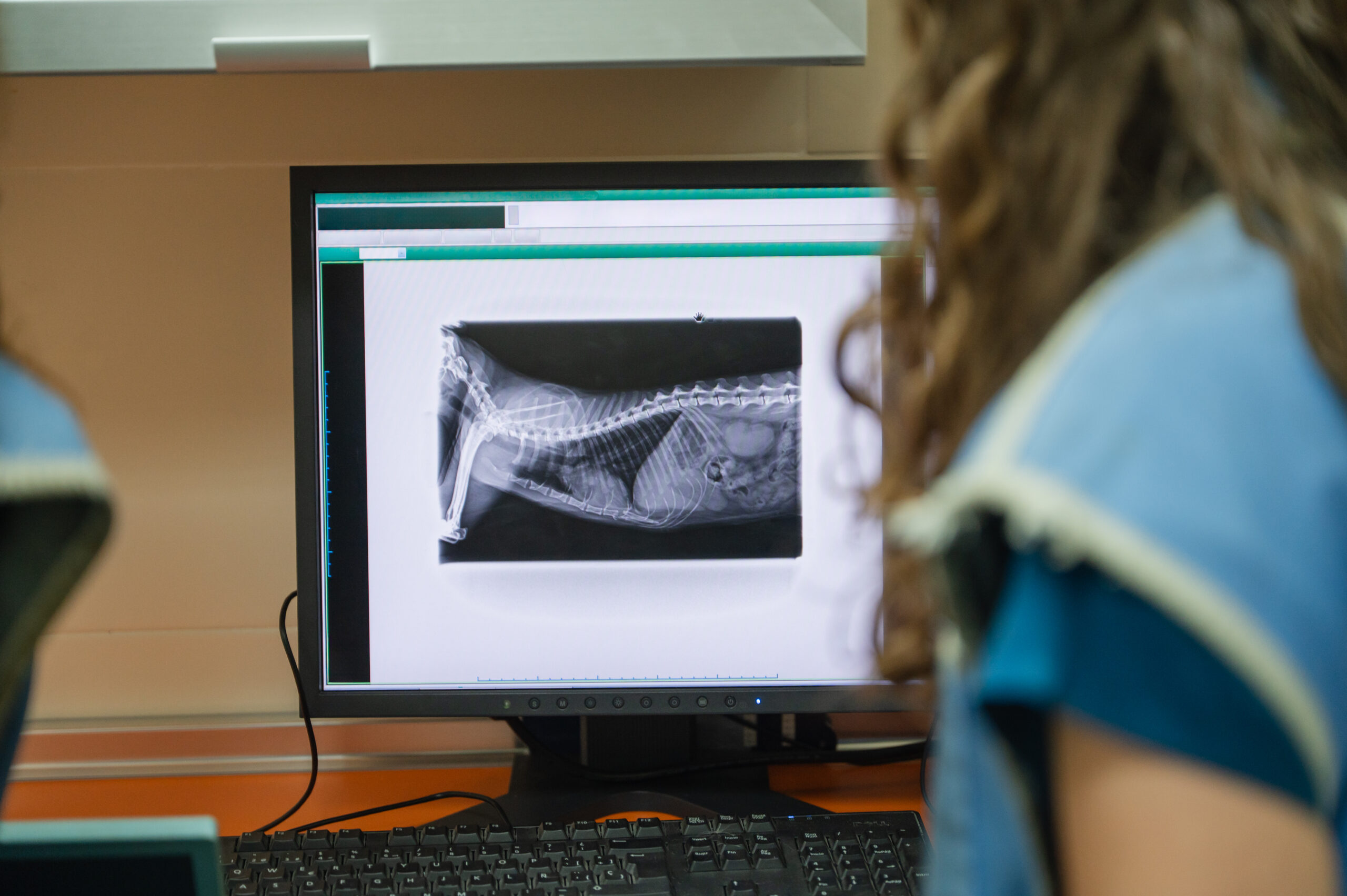
Radiographs allow veterinarians to evaluate bones, lungs, joints, and internal organs.
Ultrasound
Ultrasound imaging provides detailed views of soft tissues and internal organs.
Many owners seeking modern veterinary imaging and lab services appreciate how these tools improve diagnostic accuracy and treatment planning.
Preventive Testing Is Important Too
Diagnostic testing is not only for sick pets. Preventive screening can identify hidden conditions before symptoms develop, especially in senior pets.
Routine wellness testing may help detect:
- Kidney disease
- Diabetes
- Thyroid disorders
- Liver disease
- Early infections
- Blood abnormalities
Early treatment often leads to better long-term outcomes and improved quality of life.
Why Early Diagnosis Matters
Delaying diagnostic testing may allow conditions to worsen before treatment begins. Early detection can help veterinarians intervene sooner, reduce complications, and improve recovery chances.
Timely testing may also reduce the need for more aggressive or expensive treatments later.
Pet owners who pay close attention to subtle changes often help identify medical concerns earlier.
FAQs
Q1: Why would my pet need diagnostic testing?
Diagnostic testing helps veterinarians identify underlying medical conditions, confirm diagnoses, and guide treatment plans.
Q2: Are blood tests important even if my pet seems healthy?
Yes. Preventive bloodwork can detect hidden disease before symptoms become noticeable.
Q3: What conditions can X-rays help diagnose?
X-rays help evaluate bones, joints, lungs, heart size, and certain abdominal conditions.
Q4: Is ultrasound safe for pets?
Yes. Ultrasound is a safe, non-invasive imaging tool commonly used to examine internal organs and soft tissues.
Q5: How often should senior pets have diagnostic screening?
Many senior pets benefit from wellness testing every six to twelve months depending on age and medical history.
At Dogwood Trails Animal Hospital, we believe early detection is one of the most important parts of protecting your pet’s long-term health. Whether your dog or cat is showing unusual symptoms or simply due for preventive screening, our diagnostic tools help us provide accurate and timely care. Book an appointment today to help your pet stay healthy, comfortable, and active through every stage of life.