Urgent Care & Walk-ins are Welcome!


Our animal companions are masters at hiding discomfort. By the time we notice something is wrong, a health issue may have already progressed. This is where pet diagnostics care becomes essential. Pet diagnostics includes a variety of tests and procedures that help veterinarians identify underlying health conditions in pets, often before visible symptoms appear. Understanding what these diagnostics involve and why they matter empowers you to be a proactive advocate for your pet’s health and longevity.
What Is Pet Diagnostics Care?
Pet diagnostics care encompasses a broad range of tools used by veterinarians to evaluate your pet’s internal health. From physical exams to advanced imaging and lab testing, these diagnostics reveal what the eye cannot see. Early detection, accurate diagnosis, and ongoing monitoring all begin with quality diagnostics.
Types of Pet Diagnostic Services
1. Laboratory Testing: A Look Inside
Laboratory tests are a cornerstone of pet diagnostics. Common tests include:
- Blood work – Evaluates organ function, red and white blood cell counts, and detects infections or systemic diseases.
- Urinalysis – Assesses kidney function and helps detect urinary tract infections or other abnormalities.
- Fecal exams – Screen for intestinal parasites and digestive health concerns.
These tests provide a detailed picture of your pet’s internal systems and help identify problems before they become critical.
2. Imaging Technologies: Seeing Beyond the Surface
Imaging allows veterinarians to visualize internal organs, bones, and tissues:
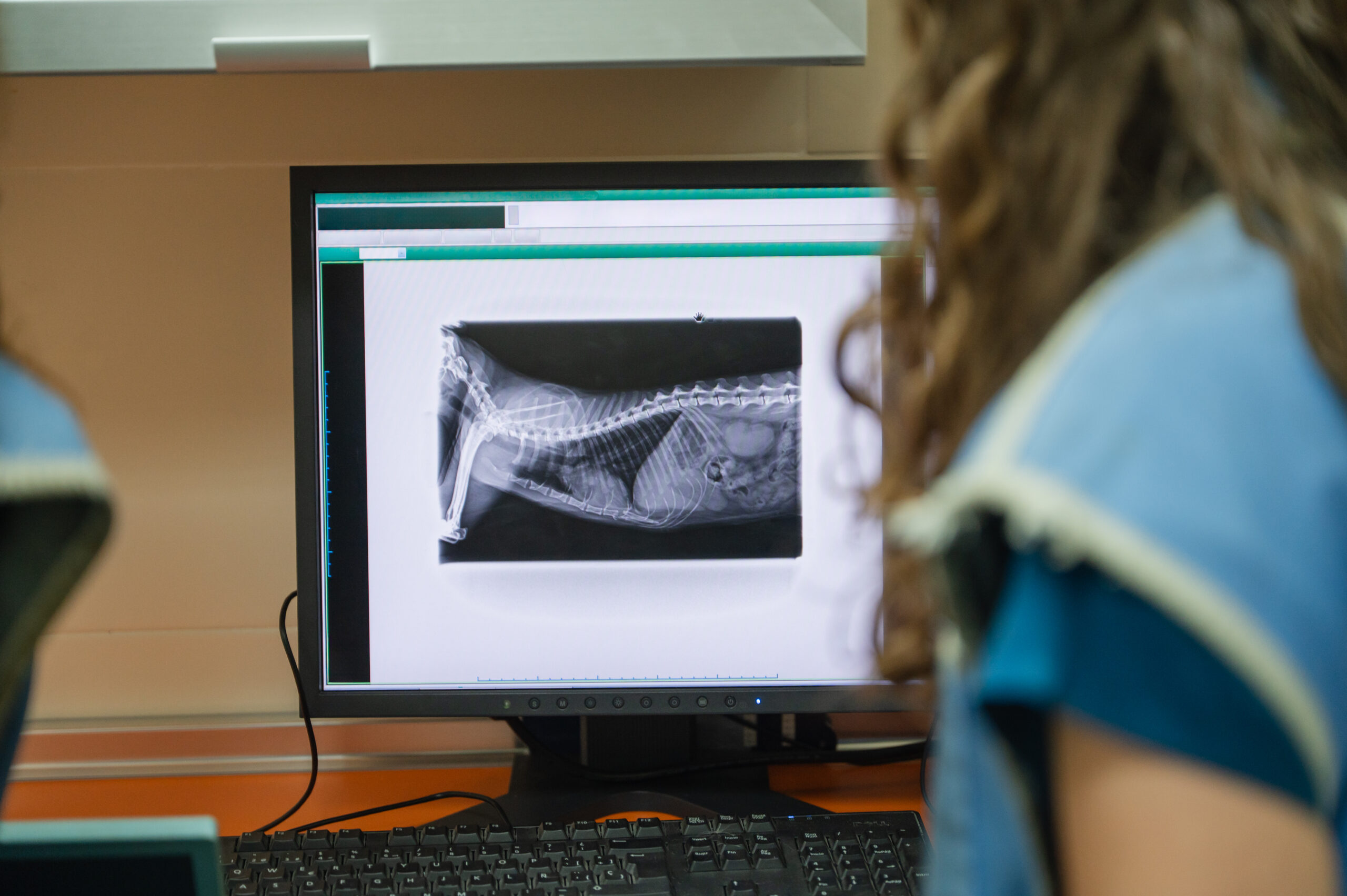
- X-rays (radiographs) – Useful for assessing bones, joints, and some soft tissues.
- Ultrasound – Creates real-time images of abdominal organs and the heart, aiding in the diagnosis of various conditions.
- CT scans & MRI – Offer high-resolution images for detecting tumors, neurological issues, or complex bone injuries.
The Importance of Early Detection in Pet Care
One of the most significant benefits of pet diagnostics care is early detection. Identifying health issues in their early stages can improve treatment outcomes and significantly extend your pet’s quality of life.
For example:
- Routine bloodwork in senior pets can detect early signs of kidney disease, enabling adjustments to lifestyle and diet.
- An ultrasound might detect a small mass before it spreads, making surgical removal more effective.
Personalized Treatment Plans Through Accurate Diagnosis
Every pet is unique, and so are their health challenges. Diagnostics allow veterinarians to:
- Pinpoint the exact issue
- Eliminate guesswork
- Customize treatment based on precise results.
For instance, if a pet presents with vomiting, diagnostics such as blood tests and X-rays can differentiate between something benign (like dietary indiscretion) and something serious (like a gastrointestinal blockage). The treatment strategies for each are vastly different.
Monitoring Progress with Continued Diagnostics
Pet diagnostics don’t stop at diagnosis—they’re vital for tracking treatment success and disease progression. Examples include:
- Monitoring diabetic pets with regular glucose tests
- Follow-up X-rays after surgery to ensure bones are healing properly
- Re-check bloodwork to adjust medications for chronic conditions
Ongoing monitoring enables veterinarians to make informed adjustments to treatment plans, ensuring the best possible care over time.
Where to Find Quality Pet Diagnostics Care in Bentonville?
If you’re searching for reliable, advanced pet diagnostics care in Bentonville, you’re in luck. Dogwood Trails Animal Hospital offers state-of-the-art technology and compassionate professionals who are dedicated to identifying the underlying cause of your pet’s symptoms. Whether your pet requires routine lab work, advanced imaging, or management of chronic diseases, Bentonville is home to providers who prioritize timely and accurate diagnostic services.
As devoted pet owners, our goal is to help our furry, feathered, or scaled family members live long, healthy lives. Pet diagnostics care is not just a medical tool—it’s an act of love. Early detection and ongoing monitoring are the keys to unlocking better outcomes and a brighter future for your beloved pet.
When your veterinarian recommends diagnostic testing, remember it’s a vital part of understanding what your pet is experiencing. By trusting in the diagnostic process, you are giving your pet the best chance at a healthier, happier life.