Urgent Care & Walk-ins are Welcome!


Bringing a kitten home is an exciting experience. Their playful energy, curiosity, and eagerness to explore can quickly turn an ordinary room into an adventure. However, kittens are still learning about their surroundings, and everyday household objects can present unexpected risks. Preparing your home before your new companion arrives helps prevent accidents while giving them a comfortable place to grow.
Thoughtful kitten care involves more than providing food, water, and a cozy bed. It also means identifying potential hazards, creating suitable spaces for play and rest, and encouraging positive habits from an early age. For new cat owners in Bentonville, a little preparation can make the transition easier for both the kitten and the household. Dogwood Trails Animal Hospital can also help you understand your kitten’s changing health and care needs as they grow.
Start by Looking at Your Home from a Kitten’s Perspective
Kittens investigate their surroundings by climbing, squeezing into small spaces, batting objects around, and sometimes chewing things they find interesting. An item that appears harmless to an adult may become a hazard when a curious kitten gets hold of it.
Before bringing your kitten home, walk through each room and look for anything they could swallow, chew, knock over, or become trapped in. Pay particular attention to low shelves, open cabinets, narrow gaps behind appliances, and spaces beneath furniture.
Secure loose objects, close off unsafe areas, and keep household supplies out of reach. Remember that kittens grow quickly and may reach places they could not access during their first few weeks at home. Revisit your safety checks as their climbing and jumping abilities develop.
Remove Toxic Plants and Household Chemicals
Some common houseplants can be harmful to cats. True lilies, including Easter lilies, tiger lilies, and Asiatic lilies, are particularly dangerous. Even small exposures to certain parts of these plants, including pollen or water from the vase, can cause severe kidney injury in cats.
The safest approach is to keep true lilies completely out of a home with cats. Do not assume that placing a plant on a high shelf will prevent access, since kittens are natural climbers.
Other plants may also cause irritation or illness if chewed. Check the safety of every plant before bringing it indoors. When in doubt, remove it from areas your kitten can access.
Household chemicals need similar attention. Store cleaning products, detergents, insecticides, medications, and automotive fluids in closed cabinets. Keep toilet cleaners and disinfectants away from curious paws, and never leave an open container unattended.
Secure Wires, Strings, and Small Objects
Electrical cords can attract kittens because they dangle, move, and resemble toys. Chewing exposed wires can cause burns or electrical injuries. Use cord covers, secure loose cables behind furniture, and unplug devices when they are not being used.
Strings and thread are another important concern. Items such as yarn, ribbon, dental floss, sewing thread, and tinsel may look like exciting playthings. However, swallowing string can cause serious intestinal problems. A string-like object may become anchored while the intestines move around it, potentially causing internal damage.
Keep these items in closed drawers or containers. If you see string hanging from your kitten’s mouth or rear, do not pull it. Contact a veterinarian for guidance.
Also remove small objects that could be swallowed, including buttons, rubber bands, hair ties, coins, beads, and small toy parts. Choose kitten toys that are appropriately sized and inspect them regularly for loose pieces.
Create a Comfortable and Accessible Litter Area
A suitable litter box setup helps kittens develop good bathroom habits. Choose a box that is easy for your kitten to enter and leave without climbing over a high edge. A quiet, accessible location can make the area feel safe.
Keep the litter box away from food and water bowls. Avoid placing it beside loud appliances or in busy areas where your kitten may feel disturbed. If your home has multiple floors, consider making a litter box available on each level.
For households with more than one cat, a commonly recommended guideline is one litter box per cat, plus one extra. Scoop waste regularly and clean the box according to the litter manufacturer’s instructions.
If your kitten suddenly avoids the litter box, do not assume it is simply a behavior problem. Changes in bathroom habits can sometimes indicate discomfort or an underlying health concern that deserves veterinary attention.
Provide Scratch Posts and Appropriate Play Areas
Scratching is a natural feline behavior. Cats scratch to maintain their claws, stretch their bodies, and leave scent and visual marks. Trying to eliminate scratching entirely is not realistic, but you can guide your kitten toward appropriate surfaces.
Offer sturdy scratching posts or pads in different locations. Some kittens prefer vertical posts, while others enjoy horizontal cardboard or fabric surfaces. Place a scratching option near sleeping areas or furniture that your kitten has already shown interest in.
Reward your kitten when they use the designated scratching surface. Avoid punishment for scratching furniture. Instead, redirect them calmly and make the appropriate option more appealing.
Interactive toys can also help kittens use their energy constructively. Wand toys, lightweight balls, and supervised puzzle feeders provide mental and physical stimulation. Put away toys with loose strings or small detachable pieces after playtime.
Add High Perches, Hiding Spots, and Cozy Resting Areas
Cats naturally enjoy observing their surroundings from elevated positions. Providing safe high perches allows kittens to climb, explore, and feel secure. A stable cat tree, window perch, or properly secured shelf can become a favorite resting place.
Make sure climbing structures cannot tip over. Keep them away from unsafe windows, balconies, and unstable furniture. Use secure window screens where appropriate, since open windows can pose a serious fall risk.
Kittens also need quiet spaces where they can retreat when tired or overwhelmed. A soft bed, covered cat cave, or comfortable box in a peaceful corner can provide a sense of security.
Give your kitten time to explore these areas independently. Avoid forcing them into unfamiliar spaces. Allowing them to choose when to rest, play, or interact helps build confidence.
Build Trust Through Positive Reinforcement
The first few weeks at home are an important time for building a relationship with your kitten. Gentle handling, predictable routines, and positive experiences can help them feel comfortable around people.
Reward desirable behavior with praise, play, or small kitten-appropriate treats. For example, reward your kitten for using the scratching post, approaching their carrier calmly, or allowing gentle handling.
Keep early play sessions short and enjoyable. Avoid using your hands or feet as toys because this can encourage biting and scratching during play. Instead, offer toys that create an appropriate distance between your hands and the kitten’s teeth and claws.
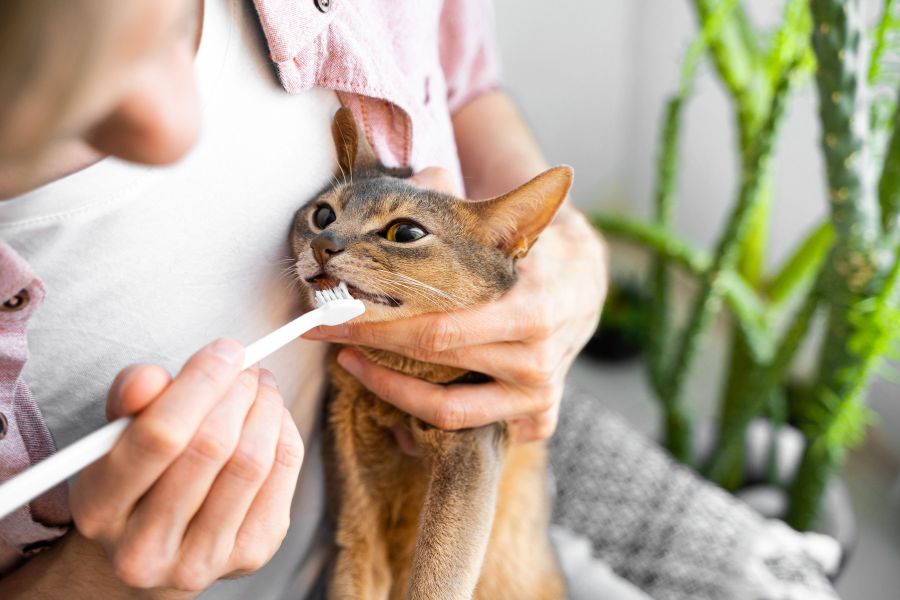
Introduce new experiences gradually. Let your kitten become familiar with household sounds, grooming tools, and their carrier at a comfortable pace. Patience helps establish trust and makes future care routines easier.
Establish Healthy Daily Routines
A predictable routine helps kittens understand what to expect throughout the day. Provide fresh water, age-appropriate food, clean litter, playtime, and quiet rest periods.
Feed your kitten a complete diet formulated for their life stage, following veterinary guidance on portions and feeding frequency. Keep food and water bowls clean, and place them in an area where your kitten can eat without disturbance.
Arrange routine veterinary visits to monitor growth, development, dental health, and general well-being. Your veterinarian can discuss parasite prevention, nutrition, behavior, and other age-appropriate care needs.
As your kitten grows, review your home setup regularly. A space that was safe for a small kitten may become easier to navigate once they can jump higher, open lightweight doors, or reach countertops.
Prepare Your Home for a Happy, Healthy Kitten
Kitten-proofing is an ongoing process, not a one-time task. Removing hazards, organizing essential spaces, and encouraging positive habits can help your new companion explore with greater safety and confidence. A thoughtfully prepared home supports both physical well-being and healthy behavioral development.
Schedule a Kitten Care Visit at Dogwood Trails Animal Hospital
Welcoming a kitten means preparing for many new experiences, from nutrition and litter training to safe play and preventive health care. If you are a new cat owner in Bentonville, Dogwood Trails Animal Hospital can help you understand your kitten’s individual needs and plan appropriate care as they grow.
Contact the hospital to schedule a kitten care appointment. Discuss your questions about home safety, nutrition, behavior, and routine veterinary visits so you can give your young companion a healthy start.
Frequently Asked Questions
Q1. Which household plants should I keep away from my kitten?
Ans: True lilies, including Easter, tiger, and Asiatic lilies, are highly toxic to cats and should not be kept in a home with kittens. Check every houseplant for feline safety before bringing it indoors.
Q2. Why should kittens not play with yarn or string?
Ans: Kittens may swallow string, ribbon, yarn, or thread while playing. These materials can cause serious intestinal injuries if swallowed. Use safer toys and put string-like items away after supervised play.
Q3. Where should I place my kitten’s litter box?
Ans: Choose a quiet, accessible location away from food and water bowls. Avoid noisy or busy areas, and make sure your kitten can enter the box comfortably.
Q4. How can I stop my kitten from scratching furniture?
Ans: Provide sturdy scratching posts and pads in convenient locations. Reward your kitten for using them and calmly redirect scratching behavior rather than using punishment.
Q5. How can I help my new kitten feel comfortable in a new home?
Ans: Start with a quiet, secure space containing food, water, a litter box, toys, and a comfortable resting area. Introduce other rooms and experiences gradually, using gentle handling and positive reinforcement.