Urgent Care & Walk-ins are Welcome!
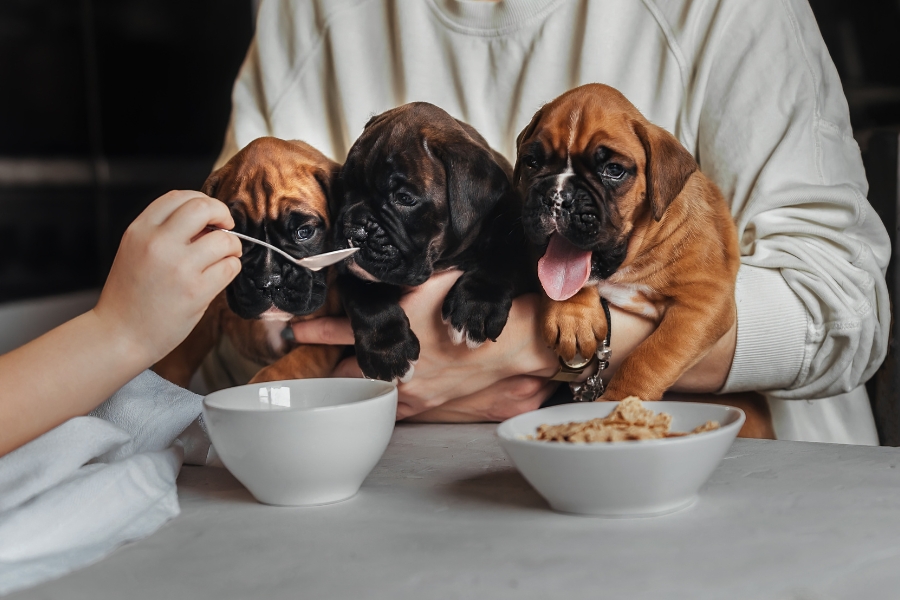
Raising a puppy or kitten is an exciting and rewarding experience. These little furballs are full of energy, and their growth in the early months is crucial to their long-term health. Proper nutrition plays a key role in ensuring that your pet grows up strong, healthy, and happy. In this blog post, we’ll explore essential nutrition tips for growing puppies and kittens to help guide you in providing the best care for your new companion.
Why Nutrition Matters for Puppies and Kittens
During their first few months, puppies and kittens experience rapid growth and development. This period is vital as it lays the foundation for their overall health and well-being throughout their lives. Proper nutrition not only supports physical growth but also aids in cognitive development, strong bones, healthy teeth, and a vibrant coat.
Start with High-Quality Food
The first step in feeding your growing pet is to select high-quality food. Both puppies and kittens require food specifically designed for their age, as it contains the necessary nutrients for their growth. Choose a brand that lists meat as the first ingredient, which is essential for developing strong muscles. Avoid fillers such as corn, soy, or wheat, which provide little nutritional value.
Tip: Opt for a food that is labeled as “complete and balanced.” This indicates that the formula has been designed to meet the specific nutritional needs of puppies or kittens.
The Right Amount of Food
It can be tempting to overfeed your puppy or kitten, but it’s important to avoid doing so. Too much food can lead to obesity, which can cause long-term health issues. Follow the feeding guidelines on the pet food packaging, which are typically based on your pet’s weight and age. Keep in mind that these guidelines are just a starting point and may need to be adjusted depending on your pet’s individual needs.
Tip: Use a measuring cup to ensure you’re giving your pet the right amount of food. Overfeeding can be just as harmful as underfeeding.
Frequent Meals for Growing Pets
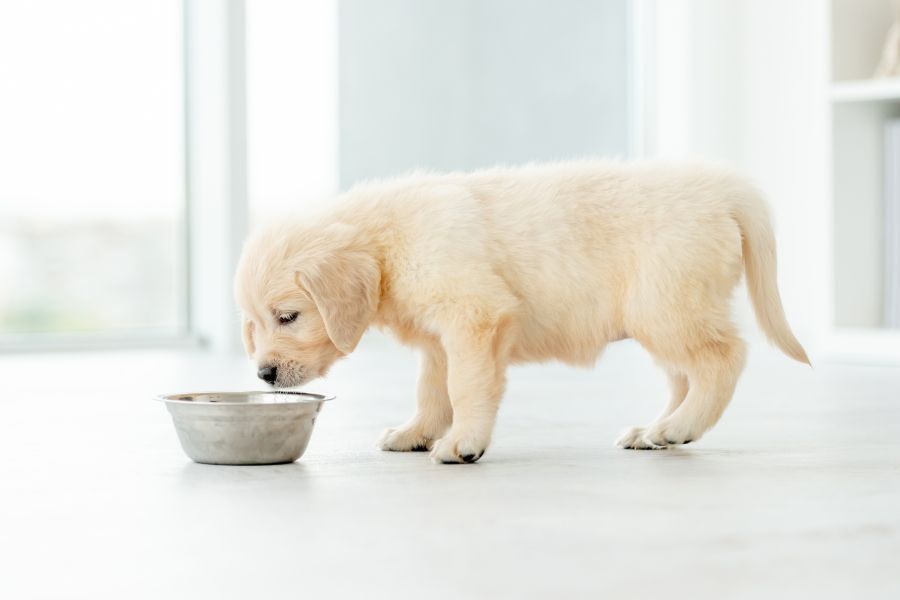
Puppies and kittens have small stomachs, so they need to eat more frequently than adult pets. Generally, puppies should eat three to four times a day until they are about six months old, while kittens should eat at least three meals a day. After six months, you can transition to two meals per day for both puppies and kittens.
Tip: Establish a regular feeding schedule to ensure your pet is getting the right amount of food at the right times.
Puppy and Kitten Care: Choosing the Right Type of Food
There are different types of food available, such as dry kibble, wet food, and raw food. While each option has its pros and cons, many pet owners choose kibble due to its convenience and dental benefits. Wet food can also be a great option, especially for kittens who may have trouble chewing dry food. It’s also an excellent source of moisture, which helps keep your kitten hydrated.
Tip: Consider mixing wet and dry food to give your pet a variety of textures and flavors, which can make mealtime more enjoyable.
Special Nutritional Needs
As your pet grows, their nutritional needs may change. For instance, large breed puppies require a different type of food compared to small breed puppies, as large breeds grow at a slower rate. The right food can help prevent growth-related issues such as joint problems. Similarly, kittens that will be indoor pets may need food that supports a more sedentary lifestyle.
Tip: If you’re unsure about which food to choose, consult your veterinarian for advice tailored to your pet’s specific needs.
Essential Supplements for Growing Pets
While high-quality pet food should provide all the necessary nutrients, some puppies and kittens may benefit from additional supplements, especially if they have specific health concerns. Common supplements for growing pets include omega-3 fatty acids for brain development and joint health, and probiotics for digestive health.
Tip: Always consult with your veterinarian before introducing supplements to ensure they are necessary and safe for your pet.
Hydration is Key
Proper hydration is just as important as food. Puppies and kittens need fresh water available at all times to stay hydrated and support their growing bodies. Make sure to change the water regularly and keep it clean to encourage your pet to drink.
Tip: If your pet isn’t drinking enough water, try adding a bit of low-sodium broth to encourage them to hydrate.
Training Good Eating Habits Early
As your puppy or kitten grows, it’s important to foster good eating habits. Avoid giving them table scraps, as human food can be harmful to pets. Additionally, refrain from free-feeding, where food is available all day, as this can lead to overeating.
Tip: Encourage your pet to eat their meals within a set time frame and remove the food after 20-30 minutes if they haven’t finished.
Final Thoughts: Healthy Eating for a Healthy Life
Providing the right nutrition during the early stages of your pet’s life is crucial to their long-term health. By feeding your growing puppy or kitten a high-quality diet, ensuring proper portion sizes, and offering the right supplements, you’ll set them up for a lifetime of good health. And don’t forget to consult with your veterinarian for guidance and support as your pet continues to grow.
If you’re in Bentonville, AR, and nearby areas, and need help with puppy and kitten care or any other pet health concerns, don’t hesitate to contact Dogwood Trails Animal Hospital today. We’re here to support you and your furry friends every step of the way.
FAQs
Q1. How often should I feed my puppy or kitten?
Ans. Puppies and kittens should eat multiple small meals a day, typically three to four times for puppies and at least three times for kittens. Once they reach six months, they can transition to two meals per day.
Q2. Can I feed my puppy or kitten adult food?
Ans. It’s best to feed your pet food specifically formulated for their age. Puppy and kitten food contains the right nutrients they need for proper growth and development.
Q3. What type of food is best for my pet?
Ans. A high-quality, complete, and balanced food that lists meat as the first ingredient is ideal for growing puppies and kittens. You can choose between dry, wet, or a combination of both based on your pet’s needs.
Q4. How do I prevent my pet from becoming overweight?
Ans. Follow the feeding guidelines provided by the pet food manufacturer, measure food portions, and avoid overfeeding. Regular exercise is also important.
Q5. Should I give my puppy or kitten supplements?
Ans. While most high-quality pet foods provide the necessary nutrients, some puppies or kittens may benefit from supplements. Always consult with your veterinarian before adding supplements to your pet’s diet.
Q6. How do I keep my pet hydrated?
Ans. Always provide fresh, clean water for your pet. Consider adding a bit of broth to their water if they’re not drinking enough, or use a pet water fountain to encourage hydration.