Urgent Care & Walk-ins are Welcome!
When was the last time you thought about your dog’s teeth? Many pet owners overlook their dog’s oral health, but just like humans, dogs need proper dental care to stay healthy. Regular dog teeth cleaning is essential not only for maintaining a fresh breath but also for ensuring your dog’s overall well-being. In this blog, we’ll explore why dog teeth cleaning is crucial for your pet’s health, how it can prevent serious conditions, and tips on how to maintain your dog’s dental hygiene.
The Importance of Dog Teeth Cleaning
1. Preventing Gum Disease
One of the most common health issues caused by poor dental hygiene in dogs is gum disease, also known as periodontal disease. Plaque and tartar build-up on your dog’s teeth can lead to inflamed gums, which can cause bleeding, pain, and eventually tooth loss. If left untreated, the infection can spread to the underlying bone and even to other vital organs, including the heart and kidneys. Regular teeth cleaning can prevent plaque and tartar from accumulating, reducing the risk of gum disease and its severe consequences.
2. Preventing Bad Breath
While bad breath is often overlooked as a mere inconvenience, it can be an indication of more serious health issues. Bad breath, also known as halitosis, is commonly caused by the buildup of bacteria in the mouth, which can result from neglected oral care. Regular teeth cleaning helps to eliminate these bacteria, giving your dog a fresh, clean mouth and improving their overall hygiene.
3. Avoiding Tooth Decay and Tooth Loss
Just like humans, dogs are susceptible to tooth decay. Plaque buildup leads to cavities, which weaken the teeth and make them prone to breaking. In severe cases, untreated decay can lead to tooth loss, which can impact your dog’s ability to chew properly and cause difficulty eating. Regular cleaning removes plaque and helps prevent tooth decay, saving your dog from potential discomfort and ensuring their teeth remain strong and healthy.
4. Protecting Your Dog’s Overall Health
Dental health is linked to your dog’s overall health. Studies show that poor oral health can lead to systemic issues like heart disease, liver disease, and kidney problems. The bacteria from infected gums can enter the bloodstream and affect other organs, causing inflammation and infection. By keeping your dog’s teeth clean, you reduce the risk of these life-threatening conditions, promoting a longer, healthier life for your pet.
5. Improved Quality of Life
A dog that experiences pain from oral health issues may not show it immediately, but it can affect their behavior. Dogs with painful gums or decaying teeth may become irritable, eat less, and lose interest in play. Regular teeth cleaning ensures that your dog remains comfortable, allowing them to enjoy their daily activities without the discomfort of oral problems.
How to Keep Your Dog’s Teeth Clean
Brushing Your Dog’s Teeth
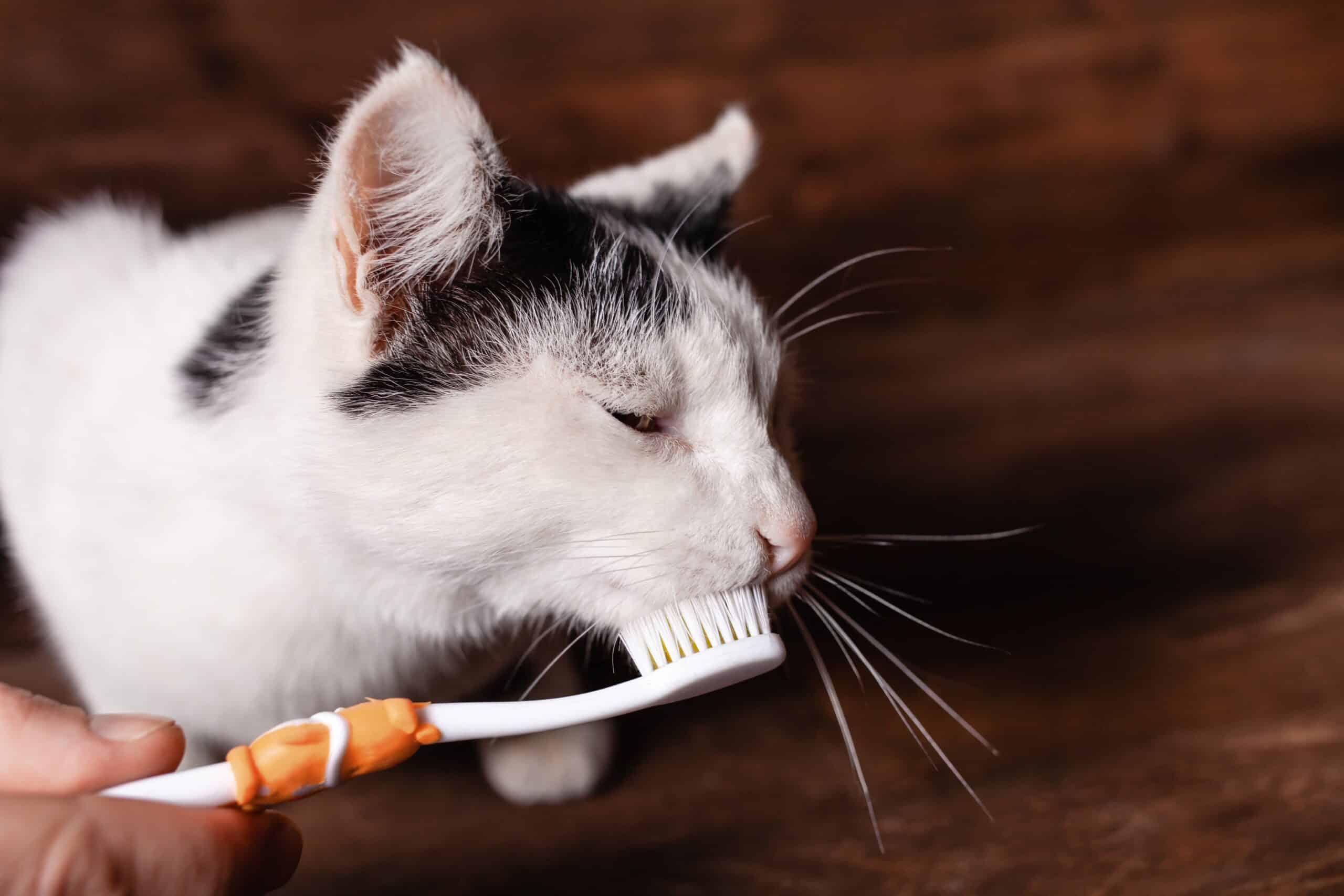
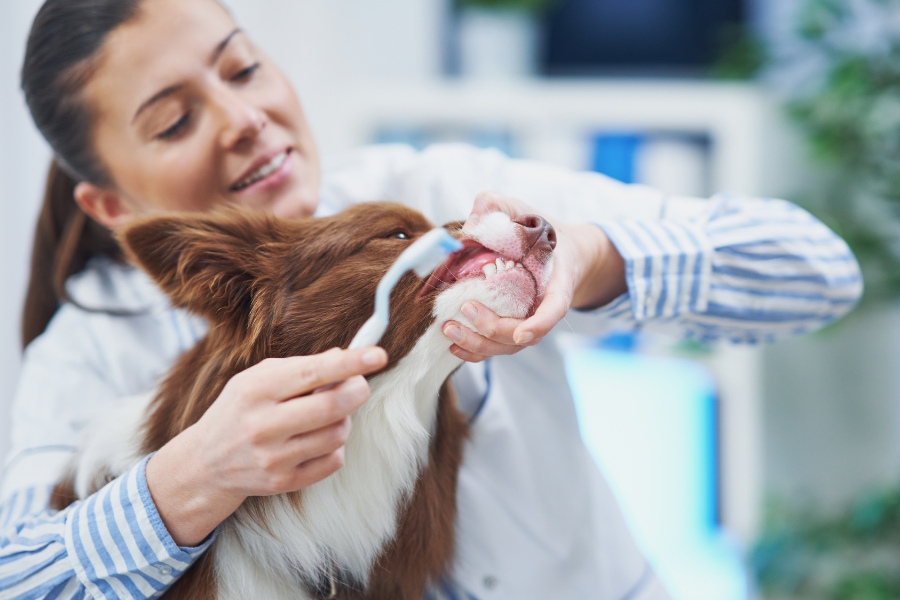
The most effective way to clean your dog’s teeth is to brush them regularly. Start by using a toothbrush designed specifically for dogs and a pet-safe toothpaste. Aim to brush your dog’s teeth at least 2-3 times a week to prevent plaque buildup. Be sure to introduce tooth brushing gradually so your dog becomes accustomed to the process.
Dental Chews and Toys
In addition to regular brushing, dental chews and toys can help maintain your dog’s oral health. These products are designed to scrape away plaque and tartar as your dog chews, promoting better dental hygiene. However, they should be used in conjunction with brushing, not as a replacement.
Professional Dog Teeth Cleaning
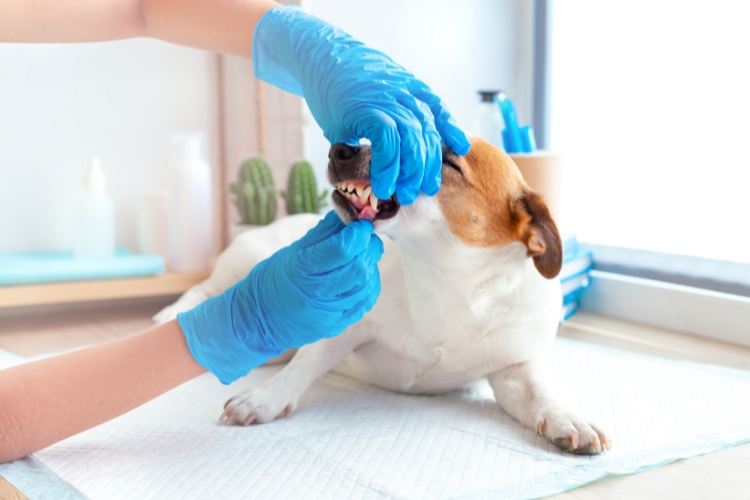
Even with regular brushing at home, some dogs may still require professional teeth cleaning. A veterinarian can perform a thorough cleaning under anesthesia, removing plaque and tartar that are difficult to reach with a toothbrush. It’s essential to schedule professional cleanings regularly, as recommended by your vet, to ensure your dog’s oral health is maintained.
Dental Diets
Some dog food brands offer specially formulated diets that support dental health. These foods can help reduce plaque and tartar buildup by promoting better oral hygiene. Talk to your vet about whether a dental diet is suitable for your dog.
When to Schedule a Vet Visit for Dental Care
If you notice any of the following signs, it’s time to schedule a dental check-up for your dog:
- Bad breath that doesn’t improve with brushing
- Difficulty chewing or a change in eating habits
- Swollen or bleeding gums
- Excessive drooling
- Pawing at the mouth or face
Your vet will conduct a thorough dental exam and recommend the best course of action, whether it’s a professional cleaning or other treatments.
Dog dental care is an essential part of keeping your furry friend healthy and happy. By regularly cleaning your dog’s teeth, you prevent a range of oral health issues, from gum disease to tooth decay, and protect your dog from potentially serious health problems. Don’t wait until you see the signs of dental issues—make dog teeth cleaning a routine part of your pet’s care. If you’re looking for expert care, contact a trusted provider of dog dental care in Bentonville, AR, to ensure your dog’s smile stays healthy for years to come.
FAQs
Q1. How often should I clean my dog’s teeth?
Ans. Ideally, you should brush your dog’s teeth at least 2-3 times a week. Regular cleaning helps prevent plaque buildup and keeps your dog’s mouth healthy.
Q2. Can I use human toothpaste for my dog?
Ans. No, never use human toothpaste for your dog. It contains ingredients that are harmful to them. Use toothpaste specifically designed for pets.
Q3. How do I know if my dog needs professional teeth cleaning?
Ans. Signs that your dog needs professional cleaning include bad breath, swollen gums, difficulty chewing, or pawing at their mouth.
Q4. Can dental chews replace brushing?
Ans. Dental chews are helpful for maintaining oral health, but should not replace brushing. Brushing is the most effective way to prevent plaque buildup.
Q5. Is professional teeth cleaning painful for my dog?
Ans. Professional teeth cleaning is performed under anesthesia, so your dog will not experience pain. It’s a safe procedure designed to maintain optimal oral health.
Q6. What are the risks of not cleaning my dog’s teeth?
Ans. Without proper dental care, dogs can develop gum disease, tooth decay, and infections, which can lead to more severe health problems, such as heart or kidney disease.