Urgent Care & Walk-ins are Welcome!

Good dental care starts at home. Regular toothbrushing can help slow plaque buildup and support healthier teeth and gums between professional dental visits. Yet many dogs and cats do not accept a toothbrush right away.
The trick is simple. Do not rush.
Your pet needs time to understand that having their mouth touched is safe. With patience, small steps, and rewards, toothbrushing can become a normal part of daily care.
For pet owners in Bentonville, this simple routine can become an important part of long term pet dental care.
Why Home Toothbrushing Matters
Plaque starts forming on teeth soon after eating. If it is not removed, it can harden into tartar. Over time, this buildup can contribute to gum irritation, bad breath, and dental disease.
Professional dental care plays an important role because veterinary teams can examine areas that are difficult to reach at home. Home brushing supports that care by helping reduce plaque between visits.
A consistent routine can also help you notice changes early.
Watch for:
- Red or swollen gums
- Strong or unusual mouth odor
- Trouble chewing
- Dropping food
- Excessive drooling
- Changes in eating habits
- Loose or damaged teeth
If you notice these signs, talk with your veterinarian before starting a new dental routine.
Step 1: Let Your Pet Get Used to Mouth Touching
Do not begin by putting a toothbrush into your pet’s mouth.
Start with simple contact.
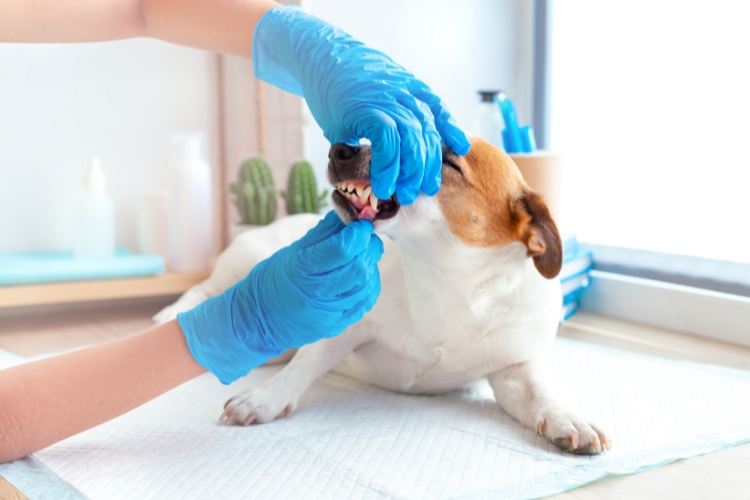
Choose a quiet time when your pet is relaxed. Gently touch the side of the face, lips, and jaw. Give a small reward after each calm response.
Keep sessions short.
Try this for a few days:
- Touch the cheek gently
- Lift the lip for one second
- Reward calm behavior
- Gradually increase the time
- Stop before your pet becomes frustrated
The goal is trust. Your dog or cat should learn that mouth handling does not mean something scary is about to happen.
Step 2: Introduce Pet Safe Toothpaste
Once your pet accepts mouth handling, introduce toothpaste.
Never use human toothpaste unless a veterinarian specifically tells you to do so. Some human toothpaste products contain ingredients that are not appropriate for pets.
Look for toothpaste made specifically for dogs or cats. Many pet safe products come in flavors designed to make the experience easier.
If you are searching for the best pet safe toothpaste and toothbrush, focus on products made for animals and choose a toothbrush that fits your pet’s mouth comfortably.
Let your pet smell the toothpaste first. You can place a tiny amount on your finger and allow your pet to taste it.
Reward calm behavior.
Step 3: Let Your Pet Explore the Toothbrush
Do not immediately start scrubbing.
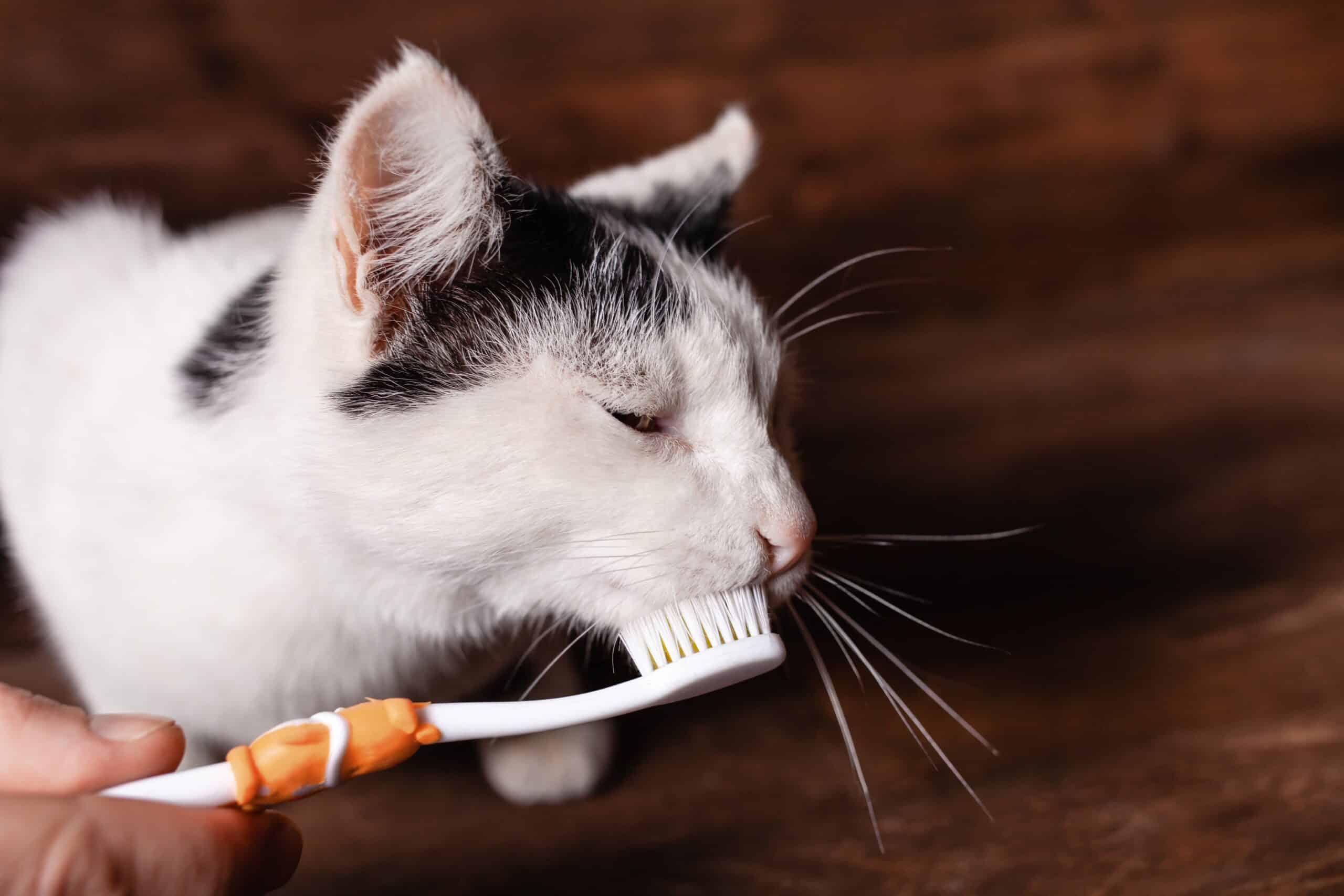
Let your pet see and smell the toothbrush. Place it near them during a calm moment. Reward curiosity.
You can gently touch the toothbrush to the outside of the lips without brushing.
For some pets, a finger brush may feel easier at first. Others may prefer a small handled toothbrush. The right option depends on your pet’s size, personality, and comfort.
Step 4: Start With One or Two Teeth
Now begin brushing.
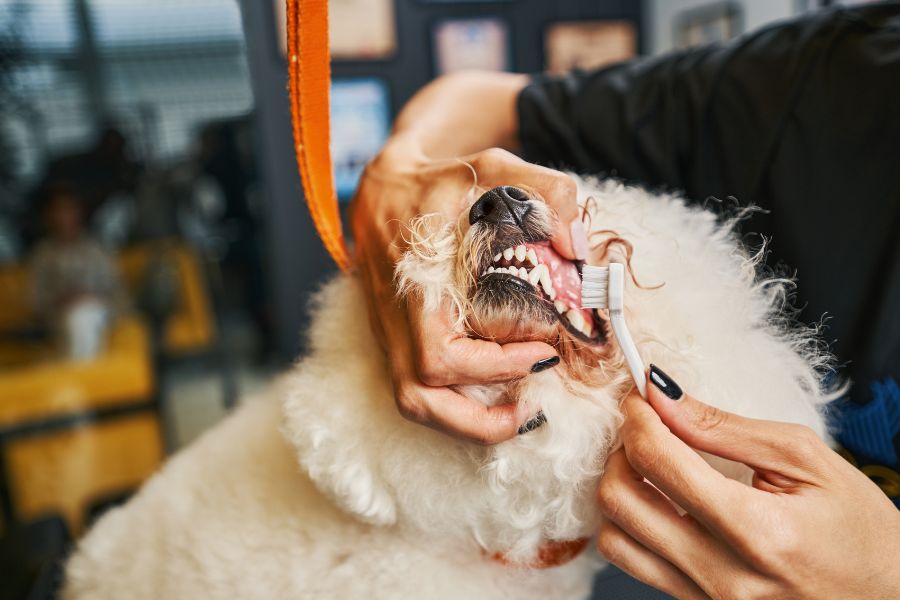
Lift the lip gently and brush the outside surface of one or two teeth. Use small, gentle movements.
Do not force your pet to open their mouth wide.
The outer surfaces are a useful place to start because plaque commonly accumulates there.
Try brushing for only a few seconds during the first sessions.
Then reward your pet.
Over time, gradually increase the number of teeth you brush.
Step 5: Build a Simple Routine
Once your pet accepts short brushing sessions, work toward covering more teeth.
A practical routine may look like this:
- Begin with a calm greeting
- Let your pet smell the toothbrush
- Apply a small amount of pet safe toothpaste
- Lift the lip gently
- Brush the outer surfaces
- Keep movements light
- Praise calm behavior
- Finish with a reward
Consistency matters more than making one session very long.
Daily brushing is ideal when your pet accepts it. If that is not realistic at first, focus on building the habit and follow your veterinarian’s recommendations.
Positive Reinforcement Makes Training Easier
Your pet should not feel trapped during dental training.
Positive reinforcement can make a major difference. Reward your pet for small successes instead of expecting perfect behavior immediately.
For example, reward your dog for sitting calmly while you touch the muzzle. Reward your cat for allowing a brief lip lift.
If your pet pulls away, growls, hides, or becomes highly stressed, stop and try again later.
Do not punish resistance.
A calm five second session can be more useful than a forced one minute session.
What If Your Pet Refuses the Toothbrush?
Some pets take longer to adjust. That is normal.
You can return to an earlier step and build confidence again.
For example:
- Your pet dislikes the toothbrush, so return to finger contact.
- Your pet accepts toothpaste but dislikes brushing, so let them taste the toothpaste for several days.
- Your pet becomes restless after several seconds, so shorten the session.
- Your cat hides when dental supplies appear, so introduce the supplies without using them.
Progress does not always happen in a straight line.
Professional Dental Care Still Matters
Home brushing is useful, but it does not replace professional dental evaluation.
Veterinary dental care allows the veterinary team to assess the teeth and gums and identify problems that may not be visible during routine home brushing.
Professional cleanings can address buildup that brushing cannot remove. Your veterinarian can also recommend a dental care schedule based on your pet’s age, breed, oral health, and individual needs.
Pet owners in Bentonville should also remember that bad breath is not simply something pets have to live with. Persistent odor can be a sign that your pet needs a dental examination.
Tips for Dogs and Cats
Dogs and cats can both benefit from a gradual dental routine, but their personalities can be very different.
For dogs:
- Use rewards during training
- Choose a toothbrush suited to the dog’s mouth size
- Start with short sessions
- Make brushing part of a regular routine
For cats:
- Choose a quiet location
- Move slowly
- Keep sessions very short
- Avoid forcing the mouth open
- Reward calm behavior
Cats may need more time to accept handling around the mouth. Patience matters.
A Simple Dental Training Timeline
Every pet is different, but this general approach can help:
- Days 1 to 3: Practice gentle face and lip touching.
- Days 4 to 7: Introduce pet safe toothpaste.
- Following days: Introduce the toothbrush without brushing.
- Next stage: Brush one or two teeth for a few seconds.
- Later: Gradually increase brushing time and coverage.
If your pet becomes stressed, step back and repeat an easier stage.
Getting Started With Better Dental Habits
Learning how to brush your dog or cat’s teeth at home does not need to become a daily struggle. Start small. Stay patient. Reward calm behavior. Give your pet time to adjust.
These simple steps can make home dental care easier and more comfortable.
If you are in Bentonville and want guidance with your pet’s oral health routine, the team at Dogwood Trails Animal Hospital can help you understand your pet’s dental needs and create a practical care plan.
Schedule a Dental Consultation
Ready to make dental care part of your pet’s regular routine? Schedule an online appointment with Dogwood Trails Animal Hospital to discuss brushing, professional dental care, and other ways to support your pet’s oral health.
A veterinary team can also help if your pet has bad breath, chewing changes, gum irritation, or difficulty accepting dental handling.
Frequently Asked Questions
Q1. How often should I brush my dog’s or cat’s teeth?
Ans: Daily brushing can provide strong plaque control, but some pets need a slower training process. Start with short sessions and gradually build consistency. Your veterinarian can recommend a routine based on your pet’s dental health, age, temperament, and current level of plaque or tartar buildup.
Q2. Can I use human toothpaste for my pet?
Ans: Human toothpaste is not a suitable choice for routine pet dental care. Some products contain ingredients that pets should not swallow. Choose toothpaste specifically made for dogs or cats. If you are unsure which product to use, ask your veterinary team for guidance.
Q3. What should I do if my pet bites the toothbrush?
Ans: A little chewing can happen when pets are learning. Stop brushing if your pet becomes frustrated or starts aggressively biting. Return to simple toothbrush introduction and reward calm behavior. A different brush style may also work better for your pet’s mouth and personality.
Q4. Is brushing enough to keep my pet’s teeth healthy?
Ans: Brushing is an important part of home dental care, but it does not replace professional dental examinations. Veterinary evaluations can identify dental problems that may not be visible at home. Your veterinarian can recommend professional care and home routines based on your pet’s individual needs.
Q5. How long does it take for a pet to accept toothbrushing?
Ans: There is no fixed timeline. Some pets adjust within days, while others need several weeks of gradual training. The most useful approach is to keep sessions short, reward calm behavior, and avoid forcing your pet. Progress at your pet’s comfort level.