Urgent Care & Walk-ins are Welcome!


Gingivitis in cats is a common yet often overlooked dental issue that can affect your feline’s overall health. This guide covers the causes, symptoms, treatment options, and preventive strategies for gingivitis in cats. If you’re a cat owner in Bentonville, AR, understanding this condition can help you protect your pet’s oral health and quality of life.
What Is Gingivitis in Cats?
Gingivitis in cats is inflammation of the gums, usually caused by plaque buildup along the gumline. Plaque contains bacteria that irritate the soft tissues, leading to redness, swelling, and discomfort. If left untreated, gingivitis can progress to periodontal disease, which affects the tissues supporting the teeth and may result in tooth loss.
Unlike humans, cats often hide signs of oral pain, making regular checkups essential. Early detection is key to preventing severe dental issues and maintaining your cat’s overall health.
Common Causes of Gingivitis in Cats
Several factors can contribute to gingivitis in cats:
- Plaque and Tartar Accumulation: Bacteria in the mouth form a sticky layer called plaque, which hardens into tartar if not removed.
- Poor Oral Hygiene: Cats rarely brush their own teeth, and a lack of dental care increases the risk.
- Diet: Soft or wet foods tend to stick to teeth more than dry kibble, accelerating plaque buildup.
- Genetics: Some breeds, such as Siamese, Abyssinians, and Persians, are more prone to dental problems.
- Immune System Disorders: Cats with compromised immunity may develop more severe inflammation.
- Viral Infections: Feline calicivirus and feline leukemia virus can trigger gingival inflammation.
Understanding these causes helps cat owners take proactive measures to reduce the risk of gingivitis.
Signs and Symptoms of Gingivitis in Cats
Cats with gingivitis may not show obvious signs at first. Some subtle symptoms to watch for include:
- Red, swollen, or bleeding gums
- Bad breath (halitosis)
- Drooling more than usual
- Difficulty eating or chewing
- Pawing at the mouth
- Weight loss due to reduced appetite
- Loose or missing teeth in severe cases
Regular monitoring and early intervention can prevent the condition from advancing to painful periodontal disease.
Diagnosing Gingivitis in Cats
A veterinarian will typically diagnose gingivitis through:
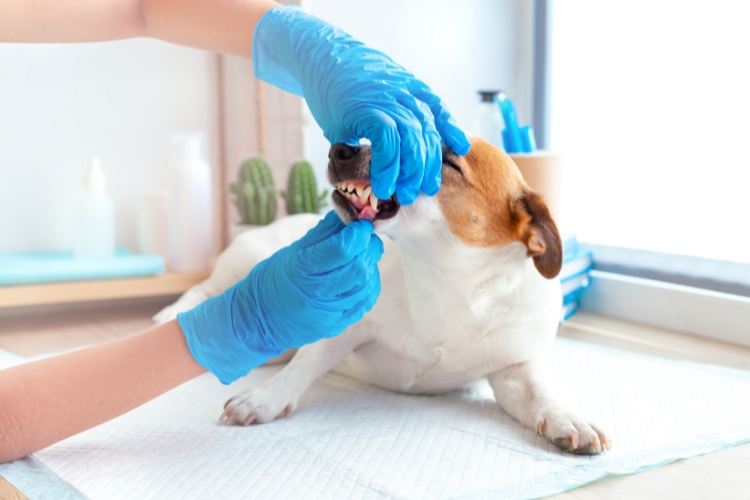
- Oral Examination: Checking for gum redness, swelling, and tartar buildup.
- Dental X-Rays: Assessing underlying tooth roots and bone structure.
- Medical History: Considering your cat’s diet, oral care habits, and past illnesses.
In some cases, blood tests may be recommended to rule out systemic conditions that could worsen gum disease.
Treatment Options for Gingivitis in Cats
Treatment depends on the severity of the condition:
- Professional Dental Cleaning: Performed under anesthesia to remove plaque and tartar above and below the gumline.
- Antibiotics: Prescribed if bacterial infection is present or severe.
- Anti-inflammatory Medications: Help reduce pain and swelling.
- Tooth Extraction: In advanced cases, severely affected teeth may need to be removed to prevent further damage.
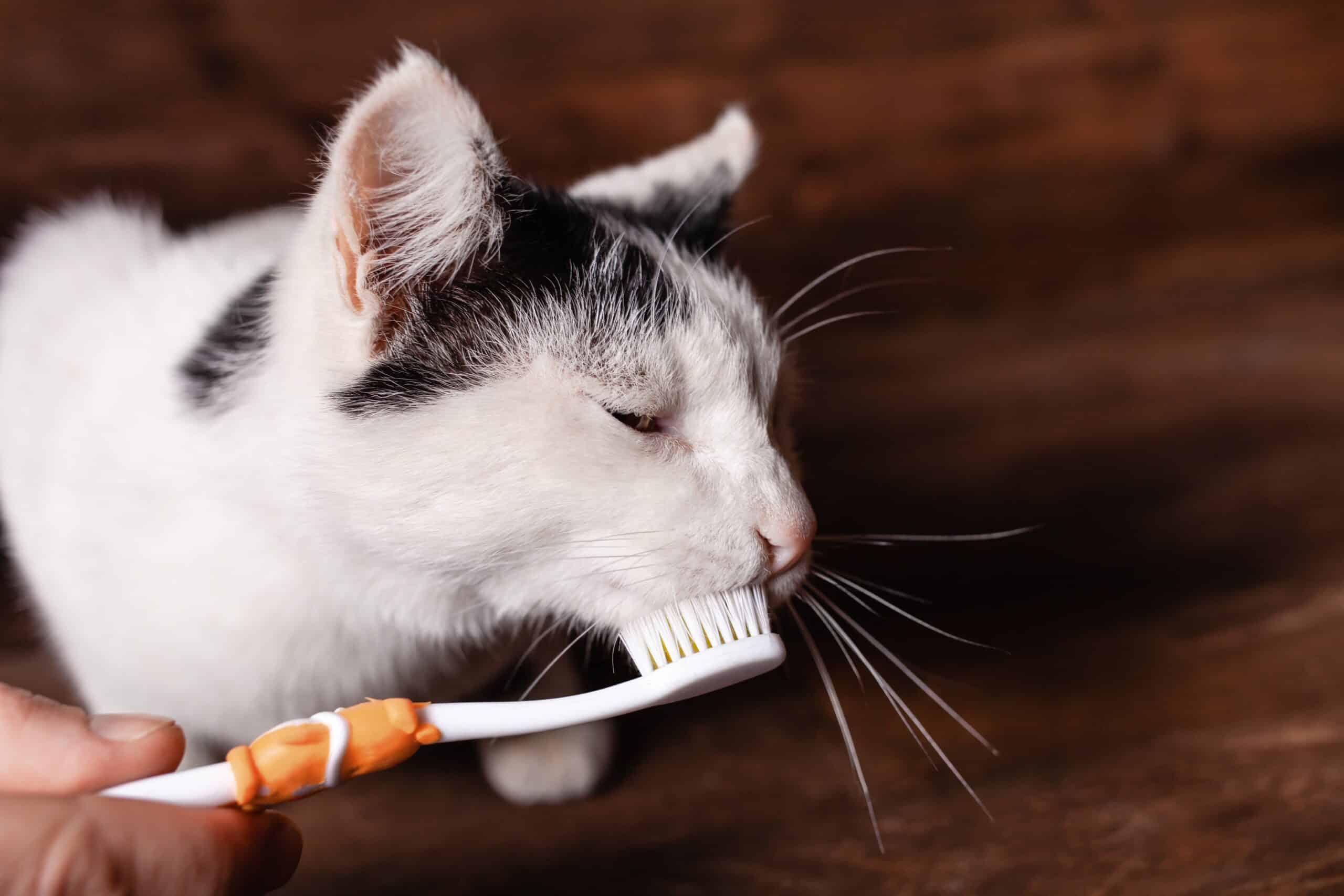
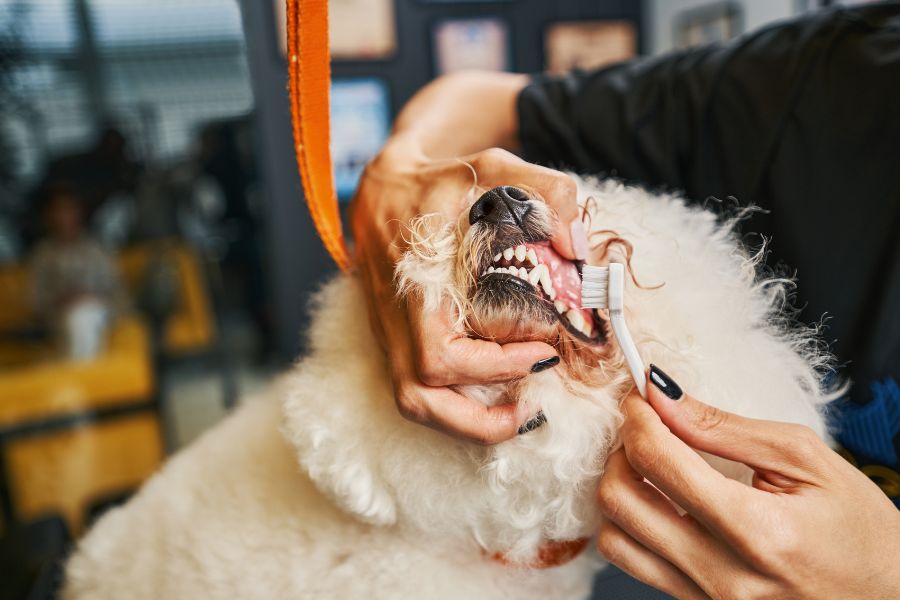
- At-Home Care: Brushing your cat’s teeth with vet-approved toothpaste, using dental wipes, or offering dental treats can help prevent recurrence.
A combination of professional care and at-home maintenance is often the most effective approach.
Preventing Gingivitis in Cats
Prevention is always better than treatment. Effective strategies include:
- Regular Vet Checkups: Schedule dental exams at least once a year.
- Daily or Weekly Brushing: Use a soft-bristled toothbrush and cat-safe toothpaste.
- Dental Diets and Treats: Specially formulated foods can reduce plaque buildup.
- Water Additives: Some vet-approved solutions help control oral bacteria.
- Monitoring Oral Health: Look for early signs of gingivitis, like red gums or bad breath.
By combining these habits, you can significantly lower the risk of gingivitis and ensure long-term oral health for your cat.
When to See a Veterinarian
Even mild symptoms warrant a veterinary visit. Contact Dogwood Trails Animal Hospital in Bentonville, AR, if your cat shows:
- Persistent bad breath
- Swollen or bleeding gums
- Difficulty eating or drinking
- Sudden weight loss
Early intervention can prevent gingivitis from developing into more severe and painful dental conditions.
Gingivitis in cats is a preventable and manageable condition if caught early. By understanding the causes, recognizing the symptoms, and maintaining a consistent dental care routine, cat owners can protect their pets from pain and long-term oral health issues. Schedule regular dental checkups at Dogwood Trails Animal Hospital in Bentonville, AR, and take proactive steps at home to keep your cat’s gums healthy. Your cat will thank you with a happy, playful life.
FAQs
Q1: How common is gingivitis in cats?
Ans: Gingivitis is very common, affecting nearly 50% of cats over three years old. Early detection is crucial for prevention.
Q2: Can gingivitis in cats be reversed?
Ans: Mild gingivitis can often be reversed with professional cleaning and consistent at-home oral care.
Q3: What foods help prevent gingivitis in cats?
Ans: Dry kibble designed for dental health, dental treats, and water additives can help reduce plaque and tartar buildup.
Q4: Is gingivitis in cats painful?
Ans: Yes, it can be uncomfortable or painful, especially if it progresses to periodontal disease, affecting eating and behavior.
Q5: How often should my cat have a dental checkup?
Ans: Most veterinarians recommend a dental exam at least once a year, though cats with a history of gingivitis may need more frequent visits.