Urgent Care & Walk-ins are Welcome!

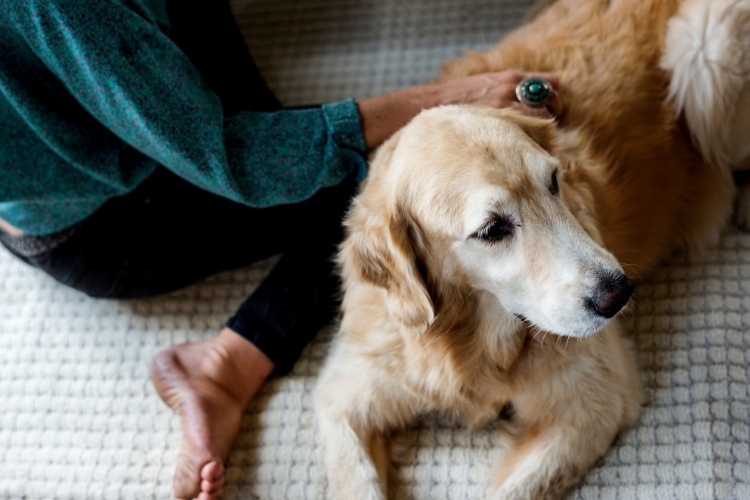
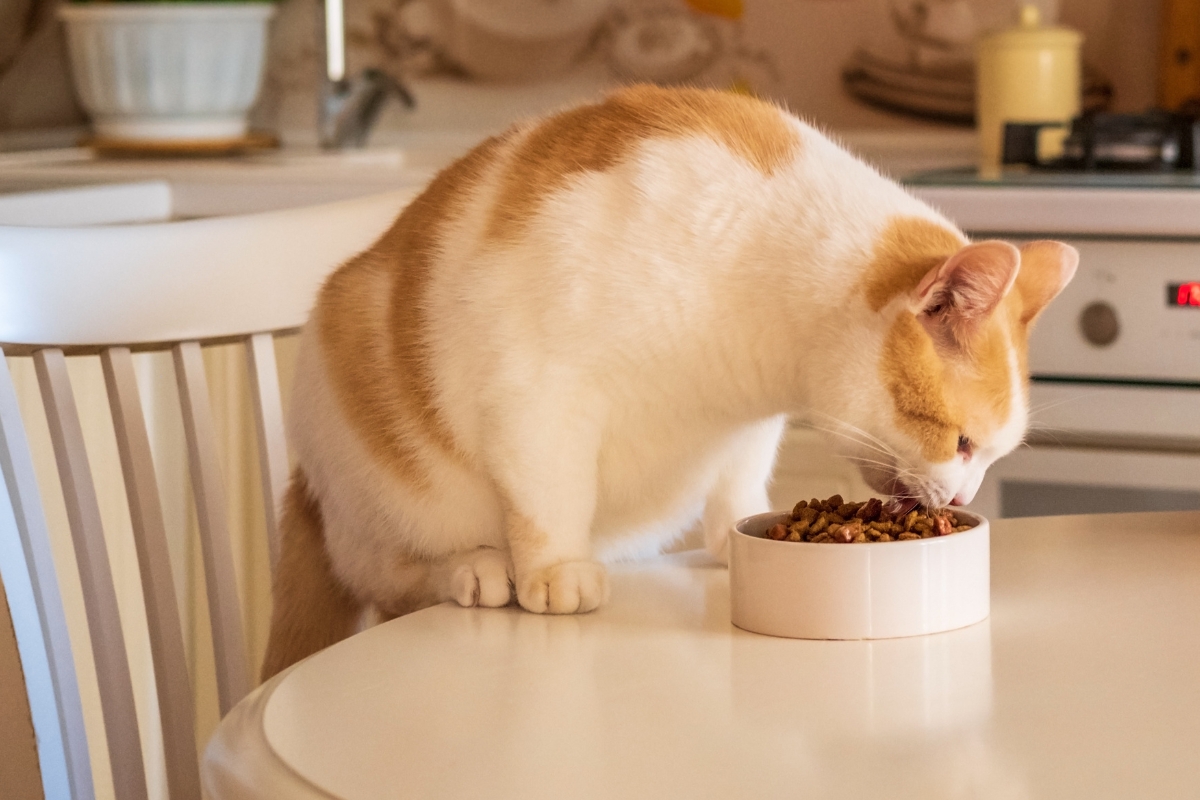
As pets grow older, their healthcare needs change significantly. What may have once been a healthy and active dog or cat can gradually develop age-related conditions that are difficult to notice at home. This is why senior pet care becomes increasingly important during a pet’s later years. Regular wellness exams help identify health concerns early, allowing veterinarians to create proactive treatment plans that support comfort, mobility, and long-term well-being.
Many pet owners assume that annual checkups are enough throughout their pet’s life. However, senior pets age much faster than humans, and important health changes can occur within just a few months. For pet families in Bentonville, scheduling wellness exams every six months can play a key role in helping aging pets maintain a higher quality of life.
Understanding When a Pet Becomes a Senior
The age at which a pet is considered senior varies depending on species, breed, and size. Generally:
- Cats are often considered seniors around 10 years old.
- Small dogs may reach senior status around 8–10 years old.
- Large and giant breed dogs may become seniors as early as 6–7 years old.
As pets age, their bodies undergo natural changes that can affect organ function, joint health, metabolism, vision, hearing, and cognitive abilities. These changes often develop gradually, making routine veterinary monitoring essential.
Why Six-Month Wellness Exams Matter
A six-month interval may seem frequent, but it provides veterinarians with valuable opportunities to detect subtle health changes before they become serious.
Pets Age Faster Than Humans
A six-month period in a senior pet’s life can be comparable to several human years. Conditions such as kidney disease, arthritis, heart disease, and endocrine disorders can progress quickly without obvious symptoms.
Regular evaluations allow veterinary teams to:
- Monitor ongoing health trends
- Compare examination findings over time
- Identify abnormalities earlier
- Adjust care plans when necessary
This proactive approach is one of the foundations of effective senior wellness programs.
Common Health Issues Found During Senior Exams
Many age-related illnesses develop slowly and can remain unnoticed until they become advanced. Routine wellness visits help uncover these concerns earlier.
Joint and Mobility Problems
Arthritis is one of the most common conditions affecting older pets. Signs may include:
- Difficulty standing up
- Reluctance to jump
- Slower movement
- Stiffness after resting
- Reduced interest in physical activity
Early diagnosis allows veterinarians to recommend mobility support strategies before discomfort significantly impacts daily life.
Kidney and Liver Disease
Senior pets may develop organ-related illnesses that show few visible signs initially.
Routine screenings can help identify:
- Changes in kidney function
- Liver abnormalities
- Hydration concerns
- Metabolic imbalances
Early intervention often supports better long-term outcomes.
Heart Conditions
Heart disease may develop gradually in both dogs and cats.
Veterinarians often monitor for:
- Heart murmurs
- Irregular heart rhythms
- Changes in breathing patterns
- Reduced stamina
Detecting these issues during routine wellness exams allows for timely diagnostic testing and management.
Weight Changes
Unexpected weight gain or weight loss can indicate underlying health concerns.
Potential causes include:
- Hormonal disorders
- Digestive issues
- Organ dysfunction
- Dental disease
- Reduced activity levels
Monitoring body condition every six months helps identify concerning trends before they become severe.
The Role of Diagnostic Screening in Senior Pet Care
Physical examinations provide valuable information, but diagnostic testing often reveals health concerns that cannot be seen externally.
Blood Testing
Routine blood work helps evaluate:
- Kidney health
- Liver function
- Blood sugar levels
- Red and white blood cell counts
- Electrolyte balance
These tests establish important health baselines and help track changes over time.
Urinalysis
Urine testing can provide insights into:
- Kidney performance
- Hydration status
- Urinary tract health
- Metabolic disorders
Combining blood and urine testing creates a more complete picture of a senior pet’s overall health.
Diagnostic Imaging
Veterinarians may recommend imaging studies to evaluate:
- Joint degeneration
- Heart size
- Internal organs
- Tumors or masses
- Structural abnormalities
These tools allow earlier identification of problems that may not produce noticeable symptoms.
Monitoring Changes in Behavior and Cognitive Function
Not all health concerns are physical. Aging pets can also experience changes in mental function.
Signs of Cognitive Changes
Senior pets may show:
- Increased confusion
- Altered sleep patterns
- Wandering behaviors
- Reduced interaction with family members
- House-training challenges
Regular wellness exams help determine whether these changes are related to normal aging or underlying medical conditions.
Dental Health Becomes More Important With Age
Oral health issues are common among older pets and can affect overall wellness.
Potential concerns include:
- Gum inflammation
- Tooth damage
- Oral infections
- Difficulty eating
- Chronic discomfort
During wellness visits, veterinarians assess dental health and recommend appropriate care strategies to help maintain comfort and nutrition.
How Nutrition Needs Change for Senior Pets
Older pets often benefit from nutritional adjustments that support healthy aging.
Veterinarians may discuss:
- Weight management plans
- Joint-supportive nutrition
- Digestive health support
- Kidney-friendly dietary options
- Muscle maintenance strategies
These recommendations are most effective when based on current health evaluations rather than waiting until problems develop.
Creating a Personalized Health Plan
One of the greatest benefits of routine wellness exams is the ability to develop individualized care plans.
Every pet ages differently. Factors that influence healthcare recommendations include:
- Breed
- Age
- Medical history
- Lifestyle
- Existing health conditions
Personalized monitoring helps ensure that healthcare decisions are tailored to each pet’s specific needs rather than relying on a one-size-fits-all approach.
How Wellness Exams Improve Quality of Life
The goal of senior wellness care extends beyond identifying disease. It focuses on helping pets remain comfortable, active, and engaged in daily life.
Benefits of routine examinations include:
- Earlier disease detection
- Improved pain management
- Better mobility support
- Ongoing nutritional guidance
- Enhanced long-term comfort
- More informed healthcare decisions
For many senior pets, regular monitoring contributes to longer and healthier lives.
Supporting Healthy Aging in Bentonville
Pet owners often notice obvious changes such as slower movement or graying fur, but many age-related health concerns develop quietly. Consistent wellness evaluations provide valuable opportunities to identify concerns before they significantly impact a pet’s well-being.
If you are from Bentonville and looking for guidance on senior pet care, scheduling routine wellness exams every six months can help ensure your aging companion receives the attention and monitoring needed to stay healthy and comfortable throughout their senior years.
Schedule Your Pet’s Wellness Visit Today
At Dogwood Trails Animal Hospital, we understand that senior pets deserve specialized attention as they age. Our team is committed to helping pet owners stay proactive through comprehensive wellness evaluations, health screenings, and personalized care plans.
Schedule an online appointment today and give your senior pet the ongoing support they need for a healthier and more comfortable future.
FAQs
Q1. How often should senior dogs and cats see a veterinarian?
Most veterinarians recommend wellness exams every six months for senior pets. Because pets age faster than humans, these visits allow healthcare providers to identify subtle health changes early and adjust care plans before conditions progress.
Q2. What tests are commonly recommended during senior wellness exams?
Senior wellness visits often include physical examinations, blood work, urinalysis, weight monitoring, and sometimes diagnostic imaging. These evaluations help detect age-related conditions that may not yet be causing visible symptoms.
Q3. Can healthy-looking senior pets still have underlying health problems?
Yes. Many conditions, including kidney disease, heart disease, and hormonal disorders, can develop gradually without obvious signs. Routine wellness exams help identify these issues before they become more difficult to manage.
Q4. Why are older pets more likely to develop health conditions?
As pets age, natural changes occur throughout the body, including reduced organ function, joint wear, and slower metabolic processes. These changes increase the risk of developing chronic health conditions that require ongoing monitoring.
Q5. What are some signs that a senior pet should be evaluated sooner than scheduled?
Changes in appetite, weight loss, increased thirst, mobility difficulties, behavioral changes, breathing concerns, or reduced activity levels should be discussed with a veterinarian promptly, even if a routine wellness visit is not yet due.