Urgent Care & Walk-ins are Welcome!
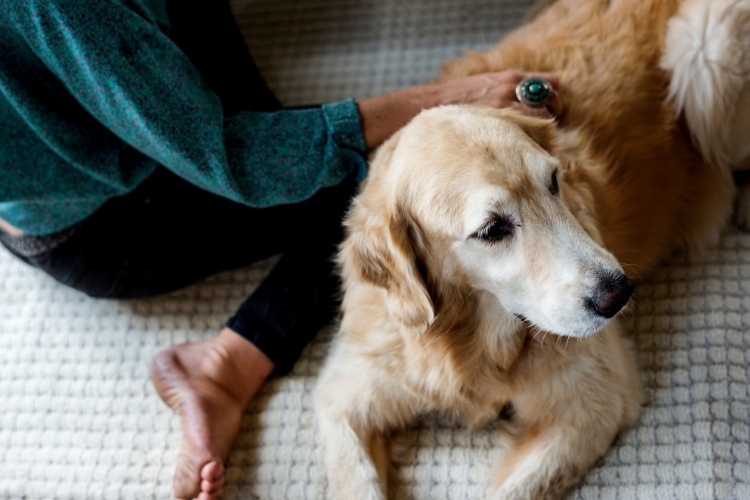
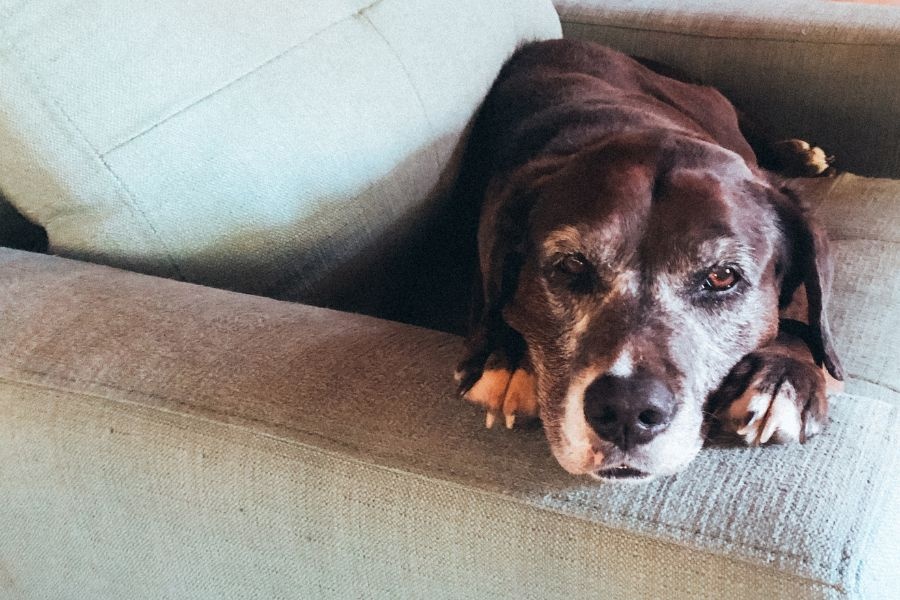
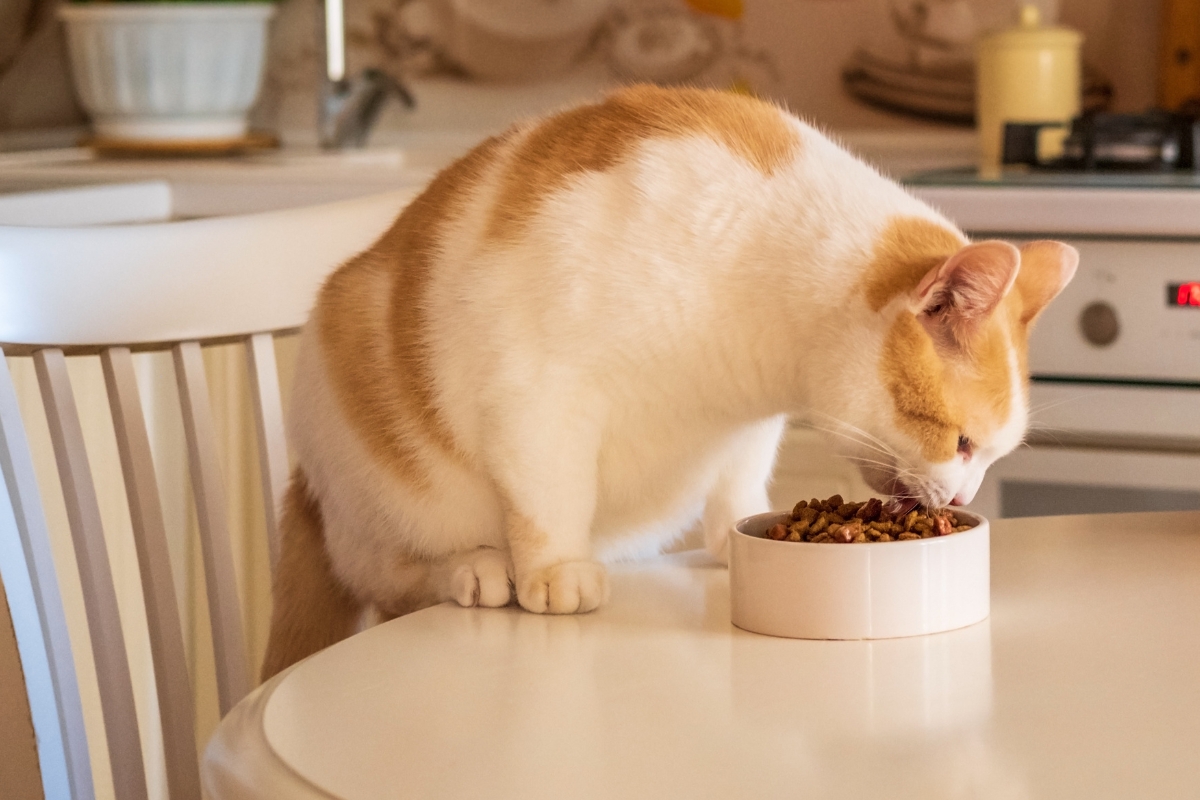
As pets grow older, their needs begin to change. Aging dogs and cats often require additional medical attention, nutritional support, and lifestyle adjustments to maintain comfort and overall wellness. While many pet owners focus heavily on the early years of a pet’s life, the senior stage deserves just as much care and attention.
Fortunately, with the right support, older pets can continue living active, happy, and fulfilling lives for many years. Understanding age-related changes allows pet owners to recognize health concerns early and provide the best possible daily care.
At Dogwood Trails Animal Hospital, we believe proactive veterinary care plays an important role in helping aging pets stay comfortable and healthy. Many families in Bentonville, AR want practical ways to improve their older pet’s quality of life, and this guide offers veterinarian-approved tips to help support senior dogs and cats through every stage of aging.
When Is a Pet Considered Senior?
Pets age differently depending on breed, size, and overall health. In general:
- Small dogs may become seniors around 10 years old
- Large dogs often reach senior status around 6 to 7 years old
- Cats are usually considered seniors around 10 years old
Although aging is natural, pets should not lose comfort or happiness simply because they are getting older. Monitoring physical and behavioral changes can help owners identify problems before they become serious.
Common Signs of Aging in Pets
Senior pets often experience gradual physical and behavioral changes. Some changes are mild, while others may indicate underlying health conditions.
Common signs include:
- Reduced energy levels
- Weight gain or weight loss
- Difficulty climbing stairs
- Joint stiffness
- Changes in appetite
- Increased sleeping
- Hearing or vision decline
- Frequent urination
- Behavioral changes
- Bad breath or dental issues
If these symptoms appear suddenly or worsen quickly, schedule a veterinary visit promptly.
Why Routine Veterinary Visits Matter
Older pets benefit greatly from regular wellness exams. Because aging animals are more vulnerable to chronic conditions, early diagnosis becomes increasingly important.
Routine veterinary visits may help detect:
- Arthritis
- Diabetes
- Kidney disease
- Heart disease
- Dental disease
- Thyroid disorders
- Cancer
Veterinarians may recommend wellness exams every six months for senior pets. Frequent monitoring helps track subtle changes that might otherwise go unnoticed.
Preventive care remains one of the most important aspects of responsible senior pet care because it supports long-term health and comfort.
Nutrition for Aging Pets
Nutrition directly affects your pet’s energy levels, mobility, digestion, and immune health. Senior pets often require dietary adjustments to support aging bodies.
Choose Age-Appropriate Food
Senior pet diets may include:
- Controlled calorie content
- Joint-supporting nutrients
- Easily digestible ingredients
- Higher-quality protein
- Added omega fatty acids
Your veterinarian can recommend the best food based on your pet’s breed, weight, and medical history.
Maintain a Healthy Weight
Excess weight places additional strain on aging joints and internal organs. Meanwhile, sudden weight loss may indicate illness.
Monitor your pet’s body condition regularly and adjust feeding portions as needed.
Encourage Hydration
Older pets may become dehydrated more easily. Ensure constant access to clean, fresh water throughout the day.
Cats especially benefit from additional moisture through canned food or pet water fountains.
Supporting Joint and Mobility Health
Mobility problems commonly affect aging pets. Arthritis and joint stiffness can reduce comfort and limit daily activity.
Fortunately, several simple changes can improve mobility.
Provide Comfortable Bedding
Orthopedic pet beds help reduce pressure on joints and improve sleep quality.
Use Ramps and Non-Slip Surfaces
Ramps can help pets access furniture or vehicles safely. In addition, non-slip rugs may reduce falls on smooth floors.
Encourage Gentle Exercise
Low-impact exercise helps maintain muscle strength and joint flexibility.
Safe activities may include:
- Short walks
- Gentle play
- Swimming
- Controlled stretching exercises
Avoid excessive physical strain, especially in pets with arthritis.
Discuss Joint Supplements
Some senior pets benefit from supplements that support cartilage and joint function. Always consult your veterinarian before starting any supplement routine.
Dental Health Is Essential
Dental disease becomes increasingly common with age. Unfortunately, untreated dental problems may affect overall health and quality of life.
Signs of dental disease include:
- Bad breath
- Difficulty chewing
- Drooling
- Loose teeth
- Gum inflammation
- Reduced appetite
Regular dental cleanings and at-home oral hygiene can help reduce pain and infection risks.
Introduce pet-safe tooth brushing gradually and consistently.
Mental Stimulation for Senior Pets
Mental enrichment remains important throughout a pet’s life. Cognitive decline may affect some older pets, causing confusion or behavior changes.
Keep the Mind Active
Activities that support mental stimulation include:
- Puzzle toys
- Gentle training sessions
- Interactive feeding games
- New walking routes
- Scent-based activities
Maintaining routines also helps reduce stress and confusion.
Watch for Cognitive Changes
Signs of cognitive decline may include:
- Disorientation
- Increased vocalization
- Nighttime restlessness
- Forgetting routines
- Changes in social interaction
Early veterinary evaluation may help improve symptom management.
Managing Vision and Hearing Changes
Many senior pets experience reduced hearing or vision over time.
Help Pets Adapt Safely
You can support aging pets by:
- Keeping furniture in consistent locations
- Using nightlights
- Approaching pets gently
- Avoiding sudden loud noises
- Using hand signals during training
Consistency helps senior pets feel secure and confident within their environment.
Skin and Coat Care for Older Pets
Aging pets may develop dry skin, thinning fur, or lumps and bumps. Regular grooming allows owners to monitor changes closely.
Grooming Benefits
Routine grooming helps:
- Remove loose fur
- Improve circulation
- Detect skin abnormalities
- Reduce matting
- Support comfort
Senior pets with mobility issues may struggle to groom themselves properly, especially cats.
If you notice new growths, irritation, or skin infections, contact your veterinarian for evaluation.
Monitoring Behavioral Changes
Behavioral changes are sometimes mistaken for normal aging. However, unusual behavior may indicate pain or illness.
Pay attention to:
- Aggression
- Withdrawal
- Anxiety
- House-training accidents
- Excessive barking
- Sleep disturbances
Pain management and medical treatment often improve these behaviors significantly.
Preventive Testing for Senior Pets
Diagnostic testing becomes increasingly valuable as pets age.
Veterinarians may recommend:
- Bloodwork
- Urinalysis
- Blood pressure monitoring
- X-rays
- Heart screenings
These tests help identify hidden conditions early, even before symptoms appear.
Early treatment often improves long-term outcomes and quality of life.
Creating a Comfortable Home Environment
Simple household modifications can make daily life easier for senior pets.
Helpful Home Adjustments
Consider:
- Elevated food bowls
- Easy-access litter boxes
- Ramps for stairs
- Soft bedding
- Quiet resting spaces
- Temperature-controlled environments
Comfort-focused adjustments help aging pets maintain independence safely.
Exercise Still Matters
Although senior pets may slow down, regular movement remains important for overall wellness.
Exercise supports:
- Healthy weight management
- Joint mobility
- Mental stimulation
- Cardiovascular health
- Muscle tone
The key is moderation. Short, consistent activity sessions are often more beneficial than intense exercise.
Emotional Wellness for Aging Pets
Senior pets still crave companionship, affection, and routine interaction.
Spending quality time together helps reduce stress and anxiety. Even small daily activities such as brushing, gentle walks, or quiet cuddle sessions can positively affect emotional health.
Strong bonds between pets and owners contribute greatly to healthy aging.
The Importance of Preventive Care
Preventive veterinary care allows pets to age more comfortably and safely. Regular monitoring helps veterinarians address health concerns before they become severe.
Comprehensive senior pet care includes:
- Routine wellness exams
- Nutritional management
- Dental care
- Mobility support
- Diagnostic screenings
- Parasite prevention
- Behavioral monitoring
For pet owners in Bentonville, maintaining consistent veterinary care helps senior pets enjoy a better quality of life while adapting to age-related changes more comfortably.
Aging pets require thoughtful care, regular veterinary attention, and supportive home environments to remain comfortable and healthy. By focusing on nutrition, exercise, preventive healthcare, and emotional wellness, pet owners can help senior dogs and cats continue enjoying life well into their golden years.
If you are in Bentonville and looking for senior pet care near you, book an appointment with Dogwood Trails Animal Hospital. Our veterinary team is dedicated to helping senior pets stay healthy, active, and comfortable through every stage of aging.
FAQs
1. How often should senior pets visit the veterinarian?
Senior pets often benefit from veterinary exams every six months. More frequent visits help monitor age-related health changes and detect problems early.
2. What are common health problems in senior pets?
Older pets commonly experience arthritis, dental disease, kidney disease, heart conditions, diabetes, and vision or hearing loss.
3. How can I help my senior pet with mobility issues?
Provide orthopedic bedding, use ramps, maintain gentle exercise routines, and discuss joint-support options with your veterinarian.
4. Do senior pets need different food than younger pets?
Yes. Senior pets often require diets that support joint health, weight management, digestion, and overall wellness.
5. Why is dental care important for older pets?
Dental disease may cause pain, infection, and difficulty eating. Regular dental care helps improve comfort and overall health.
6. Can older pets still exercise safely?
Yes. Moderate, low-impact exercise helps maintain mobility, muscle strength, and mental stimulation in senior pets.