Urgent Care & Walk-ins are Welcome!
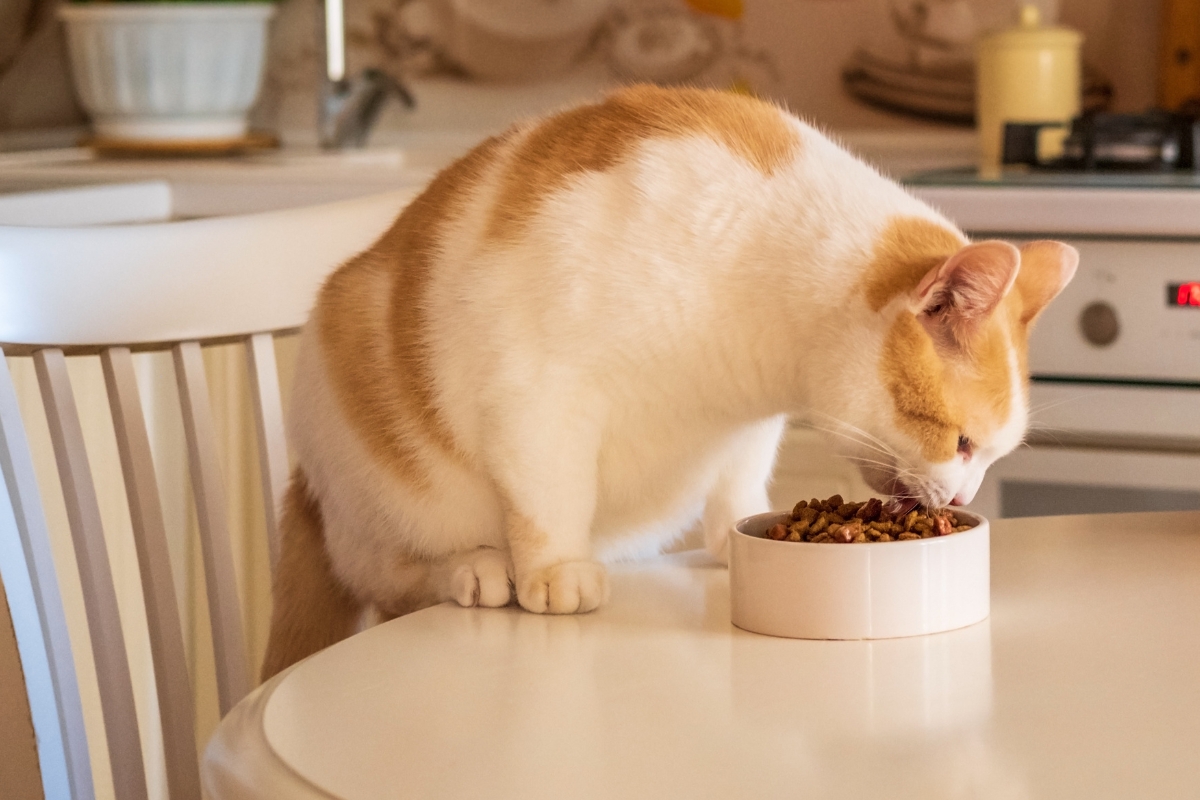
As cats age, their nutritional needs change. Senior cats often have different dietary requirements than younger cats, as they may experience health issues such as dental problems, joint pain, and digestive changes. Choosing the best food for a senior cat is crucial for maintaining their health, vitality, and overall quality of life. In this guide, we’ll discuss the best food options for senior cats, key nutrients to look for, and tips to help your older cat enjoy mealtime.
Understanding the Nutritional Needs of Senior Cats
Before diving into specific food options, it’s important to understand what makes senior cat food different from regular cat food. As a cat ages, its metabolism slows down, and its activity levels decrease. This means that senior cats require fewer calories to maintain a healthy weight. However, they still need high-quality protein and nutrients to support their aging bodies.
Senior cats are also more prone to specific health issues, which can affect their dietary needs:
- Kidney disease: Older cats are at a higher risk of developing kidney disease, so their food should support kidney function by having controlled levels of protein and phosphorus.
- Joint health: Cats with arthritis or other joint problems may benefit from food containing glucosamine and chondroitin, which help support joint health.
- Dental problems: Many senior cats have dental issues, so softer foods or foods that promote dental health are essential.
With that in mind, let’s take a look at the best types of food for senior cats.
Types of Food for Senior Cats
1. Wet Food
Wet food is often the best choice for senior cats for several reasons. It is easier to chew and digest than dry food, making it a good option for cats with dental problems or reduced appetite. Additionally, wet food contains higher moisture content, which helps keep your cat hydrated—a vital factor for older cats, especially those prone to kidney issues.
When choosing wet food for your senior cat, look for options that contain high-quality protein from real meat sources, such as chicken, turkey, or fish. Many senior cat wet foods are also fortified with vitamins, minerals, and essential fatty acids to support your cat’s health.
2. Dry Food
While wet food is often the preferred choice for senior cats, dry food can still play a role in their diet. Dry food can help keep your cat’s teeth cleaner by reducing plaque buildup. However, it’s essential to choose high-quality dry food specifically formulated for senior cats. Look for dry food that contains higher levels of protein, healthy fats, and fiber, while being low in carbohydrates.
If your senior cat prefers dry food, you can also mix it with wet food to provide a balanced diet. Additionally, make sure your senior cat has access to plenty of fresh water to prevent dehydration.
3. Prescription Diets
In some cases, senior cats may require prescription diets, especially if they have specific health conditions like kidney disease, diabetes, or obesity. Prescription diets are formulated to address these issues and provide the necessary nutrients for managing chronic conditions. Always consult with your veterinarian before switching your senior cat to a prescription diet.
Key Nutrients to Look for in Senior Cat Food
When selecting food for your senior cat, it’s important to look for specific nutrients that support their aging bodies.
- High-Quality Protein: Protein is essential for maintaining muscle mass, which tends to decline as cats age. Look for foods with animal-based proteins such as chicken, turkey, or fish, as these provide the essential amino acids your cat needs.
- Taurine: This amino acid is crucial for heart health and vision. Senior cats are more prone to heart problems, so make sure the food contains sufficient taurine levels.
- Omega Fatty Acids: Omega-3 and omega-6 fatty acids support your cat’s skin, coat, and overall health. These fatty acids also have anti-inflammatory properties, which can help reduce joint pain associated with arthritis.
- Fiber: Fiber aids in digestion and helps prevent constipation, a common issue in senior cats. Look for foods with a moderate amount of fiber, such as those containing pumpkin or brown rice.
- Glucosamine and Chondroitin: These joint-supporting nutrients are beneficial for cats with arthritis or joint pain. They help maintain cartilage health and reduce inflammation in the joints.
- Antioxidants: Antioxidants like vitamins C and E help boost the immune system and protect your cat’s cells from oxidative stress. Senior cats need extra immune support, so look for foods with added antioxidants.
Tips for Feeding Your Senior Cat
- Monitor their weight: Older cats tend to gain or lose weight more easily due to decreased activity. Keep track of your cat’s weight and adjust their food intake as necessary to maintain a healthy weight.
- Offer smaller, more frequent meals: Senior cats may have a reduced appetite, so consider feeding them smaller meals throughout the day to encourage eating.
- Gradually transition to senior food: If you’re switching your cat to a senior diet, make the transition gradually over the course of 7-10 days to avoid upsetting their digestive system.
- Regular veterinary checkups: Regular vet visits are essential for monitoring your cat’s health and adjusting their diet based on their evolving needs. Your vet can recommend specific food options tailored to your cat’s condition.
Feeding your senior cat the right food is essential for maintaining their health and well-being as they age. Whether you opt for wet food, dry food, or a mix of both, it’s important to choose high-quality protein and nutrients that support their aging body. If you’re looking for expert advice on senior cat care in Bentonville, AR, your local veterinarian can guide you in selecting the best food options to meet your cat’s specific health needs.
FAQs
Q1. What is the best food for a senior cat with kidney disease?
Ans. Senior cats with kidney disease require a low-phosphorus, moderate-protein diet. Look for expert kidney support foods with controlled protein levels and added omega-3 fatty acids.
Q2. Can I feed my senior cat human food?
Ans. While some human foods are safe for cats, it’s essential to stick to cat-specific food for optimal nutrition. Always consult your vet before introducing new foods to your cat’s diet.
Q3. How often should I feed my senior cat?
Ans. Senior cats typically benefit from smaller, more frequent meals. Aim for 2-3 meals a day to ensure they get enough nutrition.
Q4. Should I give my senior cat supplements?
Ans. Supplements like omega fatty acids, glucosamine, and joint support may benefit some senior cats, but always consult your vet before adding them to your cat’s diet.
Q5. Is wet food better than dry food for senior cats?
Ans. Wet food is generally recommended for senior cats because it’s easier to digest, provides hydration, and is gentle on their teeth. However, high-quality dry food can still be a good option if your cat prefers it.
Q6. Can senior cats eat kitten food?
Ans. While kitten food is higher in calories, it’s not ideal for senior cats. Senior cats need food that supports their aging bodies, so it’s best to feed them food formulated for their age group.