Urgent Care & Walk-ins are Welcome!

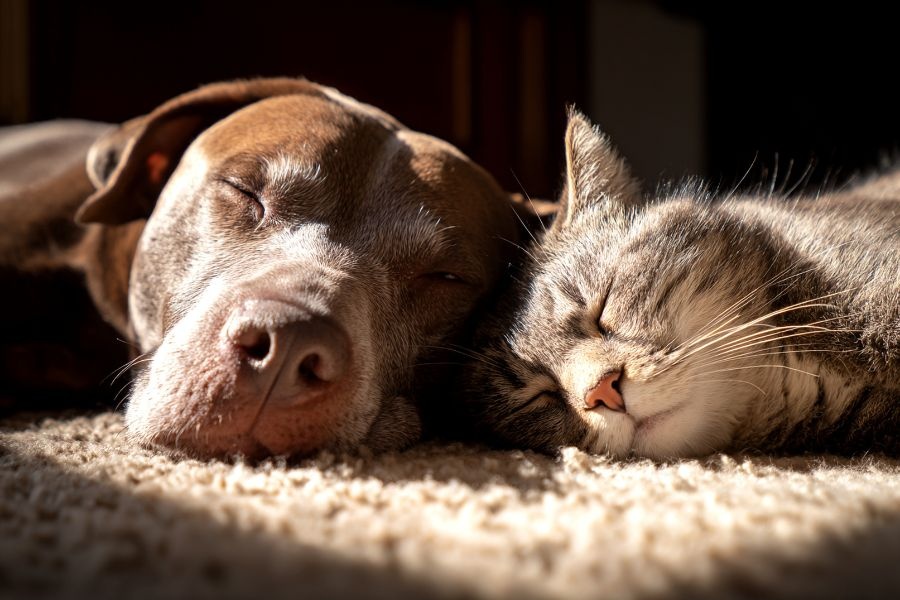
Deciding whether an older companion is still enjoying life is one of the hardest parts of pet ownership. Veterinarians use structured tools and honest conversations to evaluate comfort, and this process is a key part of senior pet care. For families in Bentonville caring for aging dogs and cats, understanding how these assessments work can bring clarity and confidence.
Why Quality of Life Matters in Senior Pet Care
Quality of life is about much more than whether your pet is still eating or breathing. It describes how comfortable, engaged, and content your pet feels from one day to the next. For aging dogs and cats, the goal of care often shifts from fixing every problem to making sure the good days outnumber the bad ones.
Age alone is not the deciding factor. A 15-year-old cat who purrs, eats well, and enjoys her sunny window may be thriving, while a younger pet with uncontrolled pain may be struggling.
Pets can’t tell us how they feel, and many hide pain by instinct. A cat who stops jumping onto the couch or a dog who sleeps more than before may seem simply old, when in fact they are uncomfortable. That is why veterinarians look at the whole picture rather than relying on a single symptom.
Regular assessments also take some of the guesswork out of hard decisions. Instead of wondering whether today was a good day, you can track patterns over weeks and months and make choices together with your veterinary team. Starting these conversations early gives you time to plan rather than react during a crisis.
The Factors Veterinarians Look At
Many veterinarians use a quality of life scale to bring structure to the conversation. One well-known example is the HHHHHMM scale, which scores seven areas of your pet’s wellbeing: hurt, hunger, hydration, hygiene, happiness, mobility, and more good days than bad.
In everyday terms, here is what your veterinarian is considering:
- Pain: Panting, restlessness, hiding, limping, or flinching when touched can all signal discomfort.
- Appetite and thirst: Is your pet eating and drinking enough, and keeping food down?
- Hygiene: Can your pet groom or stay clean, or are there matted coats and urine-soaked fur?
- Happiness: Does your pet still show interest in family, toys, walks, or favorite sunny spots?
- Mobility: Can your pet stand, climb stairs, or reach the litter box without struggling?
- Good days versus bad days: Are comfortable days still the majority?
Each area is usually given a score, and the total offers a helpful snapshot. A score is a guide, not a verdict. Your veterinarian combines it with exam findings and your own observations, since you know your pet’s personality better than anyone.
Because every pet is different, the same score can mean different things. Dogs may pant, whine, or lag behind on walks, while cats often become quiet, stop grooming, or choose hiding spots. Since cats are so subtle, a drop in grooming or a change in litter box habits can be one of the first clues that something is wrong.
What Happens During an Exam for Aging Dogs and Cats
A quality of life visit starts with a conversation. Your veterinarian will ask about appetite, sleep, accidents in the house, changes in behavior, and what a typical day looks like. It helps to bring a list of medications and supplements. Videos and photos from home are very useful, since pets often act differently in the clinic.
Next comes a hands-on exam. Your veterinarian will check weight, muscle condition, joints, teeth, eyes, ears, heart, and lungs, and watch how your pet walks, stands, and turns. Small details, such as a stiff gait or a reluctance to be touched in certain spots, can reveal pain that owners have not noticed.
Testing may follow. Bloodwork, a urinalysis, and blood pressure checks can uncover kidney disease, thyroid problems, diabetes, or other conditions that affect comfort. X-rays or an ultrasound may be recommended if your veterinarian suspects arthritis or an internal problem. Many of these issues are treatable, so a low score is not always the end of the story.
The result is a plan, not just a number. It may include pain relief, diet changes, mobility aids, dental care, or home adjustments, followed by a recheck to see whether your pet’s comfort is improving. Follow-up matters because quality of life can change quickly in older pets. Many veterinarians recommend senior exams about every six months, or sooner when something changes.
How to Track Your Pet’s Comfort at Home
Your daily observations are among the most valuable tools you have. A simple calendar can make a big difference. Mark each day as good or bad, and add a short note about appetite, mobility, or mood. After a few weeks, patterns become much easier to see.
It also helps to list your pet’s three or four favorite things, such as greeting you at the door, chasing a toy, or curling up in a sunny window. When your pet can no longer enjoy most of them, that is important information to share with your veterinarian.
Take a short video of your pet walking, getting up, and eating every month or so. Comparing clips over time is far more reliable than memory. Small home changes can help, too. Add non-slip rugs, ramps, orthopedic beds, and low-entry litter boxes, and keep food and water within easy reach.
Finally, be honest with yourself and with your veterinary team. It is normal to feel torn or emotional, and no question is too small. Your veterinarian’s role is to support you with clear information, not to pressure you into any decision.
Conclusion: Compassionate Senior Pet Care Starts With Honest Conversations
Assessing quality of life is not a single moment but an ongoing process. By looking at pain, appetite, hygiene, happiness, and mobility, and by tracking good and bad days, you and your veterinarian can make decisions that put your pet’s comfort first. A few minutes of observation each day, paired with regular senior exams, can make an enormous difference.
If you share your home with aging dogs and cats, the team at Dogwood Trails Animal Hospital in Bentonville is here to help. Our approach to senior pet care focuses on clear communication, thorough exams, and a plan that fits your pet and your family. Whenever you have questions about your pet’s comfort, we’re ready to listen.
At Dogwood Trails Animal Hospital in Bentonville, we are committed to helping senior pets live comfortably and with dignity. Schedule your pet’s visit today and give your pet the care they deserve.
Frequently Asked Questions
Q1. How do I know when to talk to my veterinarian about my pet’s quality of life?
Ans: Bring it up whenever you notice changes that last more than a couple of weeks, such as less interest in food, trouble moving, hiding, or accidents in the house. You don’t need to wait for a crisis. Early conversations give you more options.
Q2. Can I assess my pet’s quality of life on my own?
Ans: Home tracking is very helpful, but pets hide pain well, so it’s best used alongside a veterinary exam. Your notes and videos give your veterinarian a clearer picture of what daily life looks like for your pet.
Q3. What is palliative or hospice care for pets?
Ans: Palliative and hospice care focus on keeping a pet with a serious or terminal illness comfortable rather than pursuing a cure. It may include pain control, appetite support, and home adjustments. Your veterinarian can explain whether it’s a good fit for your pet.
Q4. Where can I find senior pet care in Bentonville?
Ans: Look for a local animal hospital that offers senior wellness exams, diagnostic testing, and pain management, and that takes time to explain your options. Ask how often your pet should be rechecked and what support is available between visits.
Q5. Can pain really be managed in aging pets?
Ans: In many cases, yes. Options may include medication, joint support, weight management, rehabilitation, and home changes. The right plan depends on your pet’s diagnosis, so a veterinary exam is the best place to start.