Urgent Care & Walk-ins are Welcome!

As a loving pet parent, watching your cat go through surgery can be a stressful experience. Whether it’s a routine procedure or something more serious, you want to make sure your feline friend heals quickly and comfortably. Recovery is just as important as the surgery itself, and knowing how to help your cat recover properly can make all the difference.
In this guide, we’ll walk you through the essential steps for helping your cat recover from surgery, ensuring they’re back to their playful self in no time.
Step 1: Create a Quiet and Comfortable Recovery Space
The first step in your cat’s recovery is creating a calm, quiet, and comfortable space for them to heal. After surgery, cats may be groggy or disoriented, and they need a place to rest without distractions. Here’s how you can prepare:
- Choose a quiet area: Pick a spot in your home that is away from other pets, loud noises, or foot traffic.
- Provide a soft bed: Place a soft blanket or bed in the area where your cat will rest. Make sure it’s easy to clean and comfortable.
- Limit their movement: After surgery, your cat should rest as much as possible to avoid further injury. Consider using a crate or enclosure if necessary to restrict their movement.
Step 2: Follow Post-Operative Care Instructions
Your veterinarian will provide specific post-operative care instructions, and it’s crucial to follow them closely. These instructions may include:
- Administering medication: If your cat is prescribed pain medication or antibiotics, ensure you give them on time. You may need to hide the pills in a treat if your cat is picky about taking medicine.
- Monitoring surgical site: Keep an eye on the incision to check for any signs of infection, such as redness, swelling, or discharge. If you notice any unusual changes, contact your vet immediately.
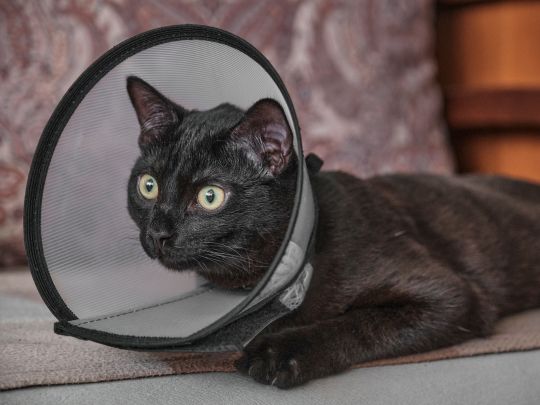
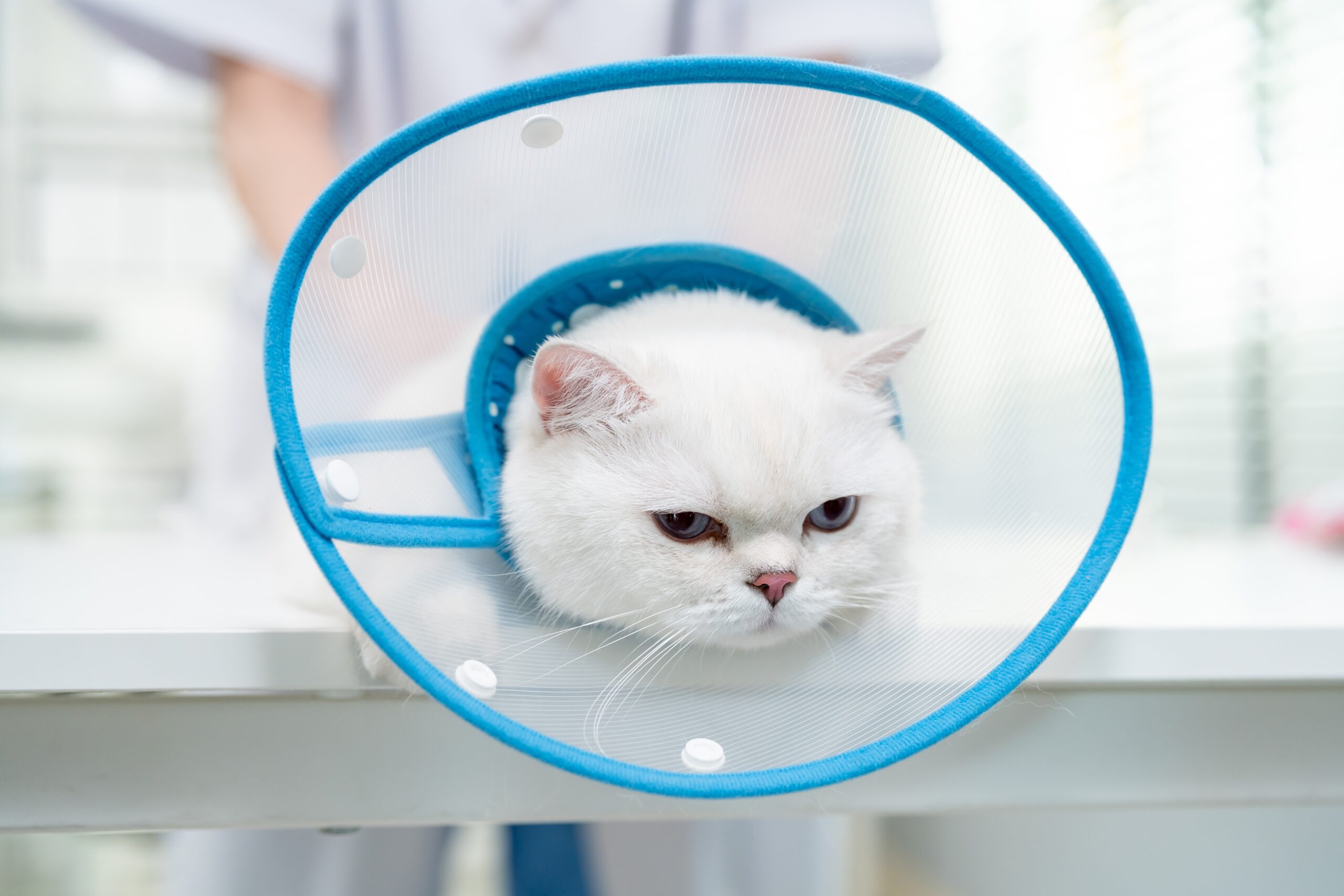
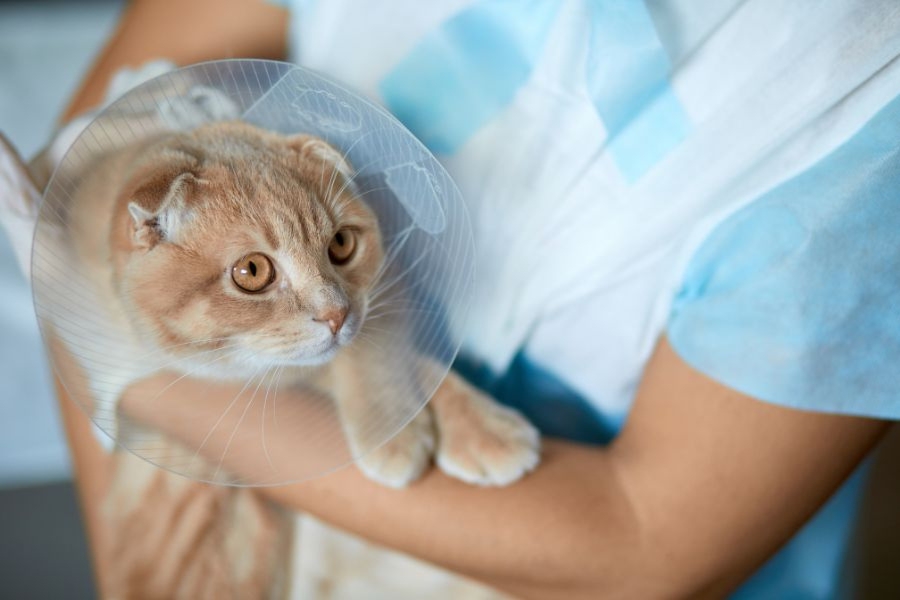
- Prevent licking or scratching: Cats may try to lick or scratch at their incision site, which can lead to infection. An Elizabethan collar (also known as a “cone”) can help prevent this behavior.
Step 3: Provide a Nutritious Diet for Healing
Proper nutrition plays a significant role in your cat’s recovery. After surgery, your cat’s body will need extra nutrients to heal and regain strength. Here’s what you can do:
- Offer easy-to-digest food: If your cat isn’t eating right away, offer soft or wet food that’s easy on the stomach.
- Encourage drinking water: Dehydration can delay healing, so make sure your cat has access to fresh water at all times. If your cat is reluctant to drink, try offering ice cubes or ice chips.
- Gradually return to their normal diet: As your cat starts feeling better, gradually transition back to their usual food. Start with small portions and increase the amount as their appetite returns.
Step 4: Keep an Eye on Their Behavior
While recovery will vary depending on the type of surgery, it’s essential to observe your cat’s behavior during this time. Here are some things to keep in mind:
- Restlessness: Some cats may be restless or anxious after surgery. Be patient with them and allow them to adjust to their new environment.
- Changes in appetite or energy: It’s normal for your cat to have a reduced appetite or lower energy levels immediately after surgery. However, if this persists for more than a few days, contact your vet.
- Monitor for signs of infection: Watch for any signs of infection, including fever, lethargy, or discharge from the incision site.
Step 5: Provide Plenty of Love and Attention
Your cat needs emotional support as well as physical care during recovery. Spend quality time with them to help reduce stress and anxiety. Here are some ways to provide comfort:
- Gentle petting: Offer gentle strokes or petting to reassure your cat. Be mindful of the surgical site, and avoid putting pressure on it.
- Maintain routine: Cats find comfort in routine, so try to keep feeding and playtime consistent, even if your cat can’t fully participate in the activities just yet.
- Calming environment: Play soft music or provide calming pheromone diffusers to help your cat feel more at ease.
Step 6: Schedule Follow-Up Appointments
Depending on the surgery, your cat may need follow-up appointments to ensure everything is healing correctly. These appointments allow your veterinarian to check on the surgical site, remove stitches (if necessary), and assess your cat’s overall recovery progress.
- Adhere to post-surgery checkups: Keep track of when follow-up appointments are scheduled, and attend all necessary visits.
- Ask questions: If you have any concerns or notice changes in your cat’s behavior or health, don’t hesitate to contact your vet for guidance.
Recovery from surgery can be a challenging time for both you and your cat, but with the right care, your feline companion will heal and feel better soon. By following these steps—providing a calm recovery space, adhering to post-operative instructions, ensuring proper nutrition, and offering emotional support—you can help your cat heal quickly and comfortably.
If your cat is recovering from surgery in Bentonville, AR, and you need professional guidance or assistance, don’t hesitate to contact your local veterinary clinic for advice and support. Your veterinarian can provide you with personalized tips and monitor your cat’s progress to ensure the best possible outcome.