Urgent Care & Walk-ins are Welcome!

Deciding to spay or neuter your pet is one of the most responsible choices you can make as a pet owner. It’s a routine veterinary surgery — but that doesn’t mean it comes without questions. From the best age to schedule the procedure to what recovery looks like at home, being well-informed before the appointment makes the entire experience smoother for both you and your pet. At Dogwood Trails Animal Hospital, we want every pet owner in Bentonville to feel confident and prepared before their pet’s spay or neuter surgery.
What Is Spay or Neuter Surgery?
Spaying refers to the surgical removal of a female pet’s reproductive organs — typically the ovaries and uterus. Neutering refers to the removal of a male pet’s testicles. Both procedures are performed under general anesthesia and are among the most commonly performed veterinary surgeries in the country.
While the procedures are routine, they are still surgical in nature and deserve the same level of care and preparation as any other operation. A skilled veterinary team, proper pre-surgical screening, and attentive post-operative care all play a role in ensuring your pet’s safety and smooth recovery.
The Benefits Go Beyond Population Control
Most pet owners are familiar with the role spay and neuter surgery plays in reducing pet overpopulation — and that alone is a compelling reason to act. But the health and behavioral benefits are equally significant and often less widely understood.
For female pets, spaying eliminates the risk of uterine infections (pyometra) — a potentially life-threatening condition — and dramatically reduces the risk of mammary tumors, particularly when the procedure is done before the first heat cycle. It also removes the stress and physical demands of heat cycles entirely.
For male pets, neutering eliminates the risk of testicular cancer and reduces the likelihood of prostate problems. It can also reduce hormone-driven behaviors such as roaming, marking territory, and aggression — making life at home calmer and safer for everyone.
When Is the Right Time to Schedule the Surgery?
One of the most common questions veterinarians hear is about timing. The answer depends on your pet’s species, breed, and size — and it’s worth having a conversation with your veterinarian rather than going by general rules alone.
For most cats, spay or neuter surgery is commonly recommended around five to six months of age, before the first heat cycle. For dogs, the timing is more nuanced. Smaller breeds can often be spayed or neutered around six months, while larger and giant breeds may benefit from waiting until they’re closer to twelve to eighteen months old, allowing their musculoskeletal development to complete.
Recent research has also highlighted breed-specific considerations — particularly for certain large breeds where early spay or neuter may be associated with a slightly increased risk of certain orthopedic or hormonal conditions. Your veterinarian will help you weigh the full picture and choose the timing that best supports your individual pet’s long-term health.
Pre-Surgical Preparation: What to Expect
Once you’ve scheduled your pet’s spay or neuter surgery, your veterinary team will guide you through everything you need to do to prepare. Here’s what typically happens in the days and hours leading up to the procedure.
Pre-surgical bloodwork is often recommended, especially for older pets or those with underlying health concerns. This helps your veterinarian assess organ function and ensure your pet is a safe candidate for anesthesia. At Dogwood Trails Animal Hospital, we take pre-surgical screening seriously because we believe every patient deserves individualized care before going under anesthesia.
Fasting instructions will be provided — typically your pet should not eat after midnight the night before surgery, though water is usually fine until the morning of. Following these guidelines precisely is important for anesthesia safety.
You’ll also want to ensure your pet is up to date on vaccinations before the procedure, as they may be around other animals at the clinic.
What Happens on Surgery Day
On the day of the procedure, you’ll bring your pet in during morning drop-off hours. Your veterinary team will perform a pre-anesthetic exam, place an IV catheter, and administer medications to keep your pet comfortable and pain-free throughout the surgery.
The spay or neuter surgery itself is relatively quick — typically ranging from twenty minutes to an hour depending on the procedure and your pet’s individual anatomy. Your pet will be carefully monitored throughout by trained veterinary staff, and pain management will be administered before they wake up to ensure a comfortable recovery.
Most pets are ready to go home the same day, typically in the afternoon. You’ll receive detailed discharge instructions and have the opportunity to ask any questions before leaving.
Post-Operative Care at Home
How well your pet recovers depends largely on the care they receive at home in the days following veterinary surgery. Most pets bounce back quickly, but it’s important not to let them overdo it — even if they seem to feel fine.
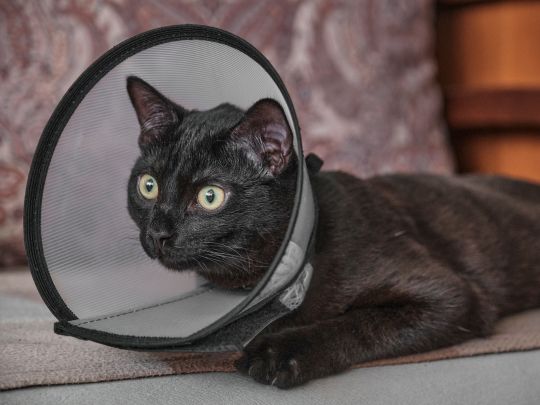
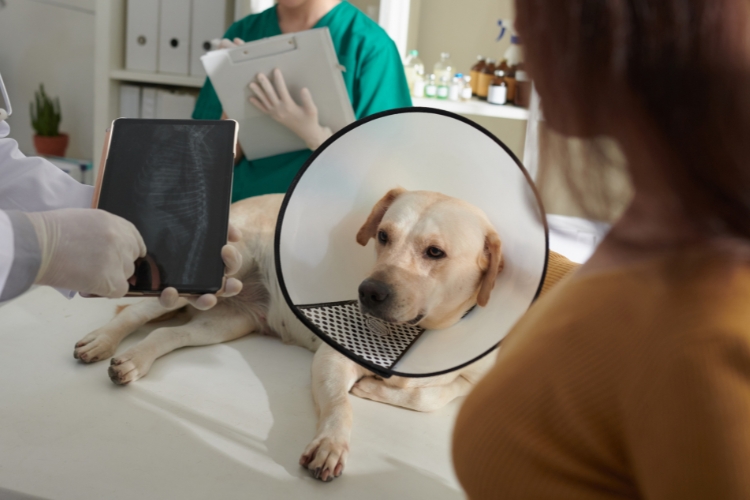
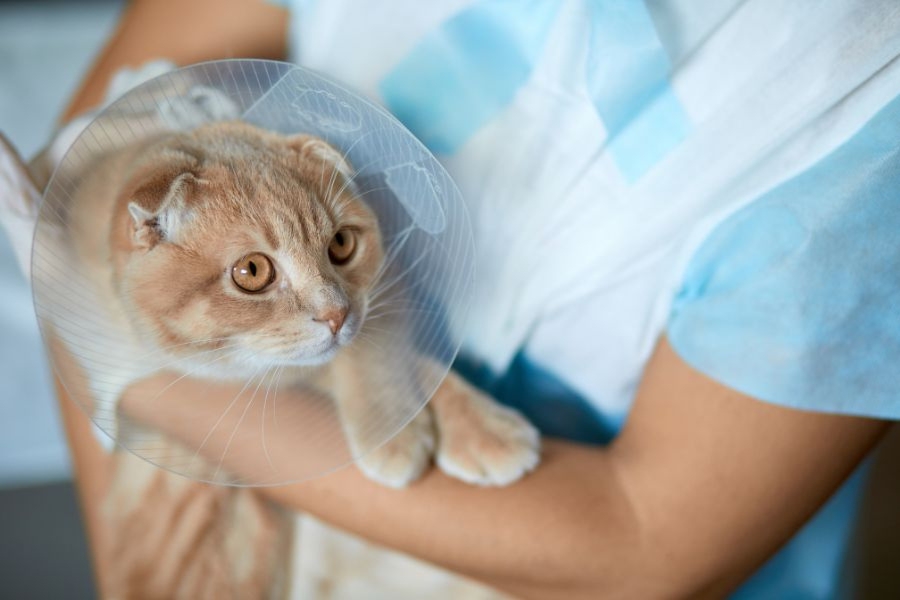
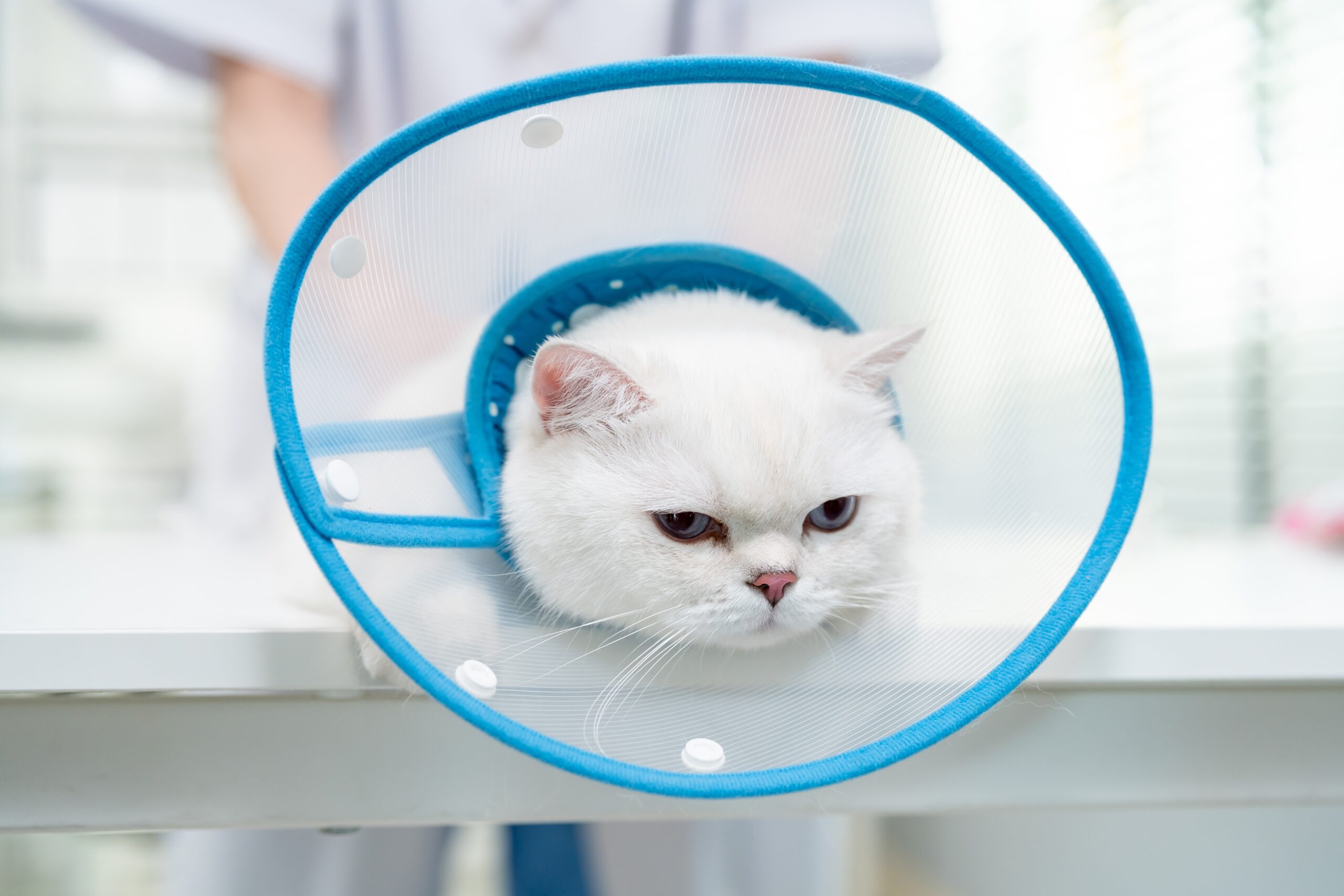
Restrict running, jumping, and rough play for ten to fourteen days following the procedure. Keep the incision site clean and dry, and check it daily for signs of redness, swelling, discharge, or opening. An e-collar (the cone) is your best friend during recovery — it prevents your pet from licking or chewing the incision, which is one of the most common causes of post-surgical complications.
Your veterinarian will prescribe pain medication to keep your pet comfortable during recovery. Administer it exactly as directed, even if your pet seems to be feeling well. A follow-up appointment is typically scheduled around ten to fourteen days post-surgery to check the incision and confirm everything is healing properly.
Conclusion: Go In Prepared, Come Out Confident
Spay or neuter surgery is a well-established, safe procedure — but being informed makes it even better. Understanding the benefits, knowing the right timing, following pre-surgical guidelines, and providing attentive post-operative care all contribute to the best possible outcome for your pet. When you’re working with a veterinary team you trust, the entire process becomes far less daunting.
At Dogwood Trails Animal Hospital in Bentonville, our team is here to answer every question, address every concern, and provide your pet with the compassionate surgical care they deserve. Schedule your appointment for your pet’s spay or neuter surgery today.
Frequently Asked Questions
Q1. At what age should I schedule my pet’s spay or neuter surgery?
The ideal age varies by species, breed, and size. Most cats are spayed or neutered around five to six months. For dogs, smaller breeds can often be done at six months, while larger breeds may benefit from waiting until twelve to eighteen months. Your veterinarian will recommend the best timing for your individual pet.
Q2. Is spay or neuter surgery safe?
Yes — it is one of the most commonly performed veterinary surgeries and is considered very safe when performed by a trained veterinary team with proper anesthesia monitoring and pre-surgical screening. As with any surgery, there are small risks, which your vet will discuss with you beforehand.
Q3. How long does recovery take after spay or neuter surgery?
Most pets recover well within ten to fourteen days. Activity should be restricted during this time, and the incision should be kept clean and dry. A follow-up visit is typically scheduled to confirm proper healing.
Q4. Will the surgery change my pet’s personality?
Spaying or neutering can reduce hormone-driven behaviors such as roaming, marking, and aggression, but it will not change your pet’s core personality. Most pet owners report that their pets are calmer and easier to manage after the procedure.
Q5. What are the health benefits of spaying or neutering my pet?
For females, spaying eliminates the risk of pyometra and reduces the risk of mammary tumors. For males, neutering removes the risk of testicular cancer and lowers the likelihood of prostate issues. Both procedures contribute to a longer, healthier life overall.