Urgent Care & Walk-ins are Welcome!

When a pet develops symptoms that are difficult to explain, routine examinations and diagnostic tests may not always provide the complete picture. In certain situations, a veterinarian may recommend exploratory surgery to examine areas inside the body more closely. This type of procedure can provide valuable information when the source of a pet’s problem remains uncertain after other diagnostic approaches.
At Dogwood Trails Animal Hospital in Bentonville, understanding why a procedure is recommended can help pet owners feel more prepared and confident about their pet’s care. Exploratory procedures can sometimes help veterinarians identify conditions, collect tissue samples, remove abnormal material, or address problems that cannot be fully evaluated from outside the body.
If your pet has unexplained symptoms or has been diagnosed with an internal condition requiring further investigation, learning about veterinary surgery can help you understand what may happen next.
What Is Exploratory Surgery for Pets?
Exploratory surgery is a surgical procedure performed to examine internal organs, tissues, or body structures when additional information is needed. Unlike surgery performed solely to correct a known condition, exploratory surgery may have both diagnostic and therapeutic purposes.
For example, a veterinarian may need to examine the abdominal cavity when imaging or laboratory testing suggests that something unusual is present but does not clearly identify its cause.
During the procedure, the veterinarian can carefully inspect relevant structures and look for abnormalities such as inflammation, masses, damaged tissue, unusual fluid, foreign material, or changes affecting internal organs.
The exact approach depends on the pet’s symptoms, suspected condition, overall health, and the area that needs to be examined.
Why Might a Veterinarian Recommend Exploratory Surgery?
Veterinarians generally use noninvasive diagnostic methods whenever they can provide enough information. However, some medical problems remain difficult to diagnose without directly examining affected tissues.
Exploratory surgery may be considered when a pet has persistent symptoms that do not have a clear explanation. It can also be recommended when diagnostic findings point toward a serious or complicated condition but more information is needed to determine the appropriate treatment.
Common reasons may include:
- Unexplained abdominal discomfort
- Persistent digestive problems
- Suspected foreign material inside the digestive tract
- Abnormal findings on diagnostic imaging
- Unusual masses or enlarged organs
- Internal bleeding concerns
- Tissue changes that require sampling
- Conditions that cannot be fully characterized through external testing
The veterinarian will consider the potential benefits and risks before recommending the procedure.
What Can Exploratory Surgery Help Discover?
One of the main advantages of exploratory surgery is the opportunity to directly inspect internal structures. This can reveal information that may not be visible through a physical examination alone.
For instance, the veterinarian may discover an intestinal obstruction, abnormal tissue growth, inflammation, organ changes, adhesions, or other physical abnormalities. If an unusual area is found, the veterinarian may also collect a tissue sample for additional laboratory evaluation.
In some cases, the procedure can move directly from diagnosis to treatment. If an appropriate problem is identified during surgery, the veterinarian may be able to remove foreign material, address damaged tissue, or perform another necessary surgical intervention.
This makes exploratory surgery an important part of veterinary care when diagnosis and treatment need to happen together.
How Is Exploratory Surgery Planned?
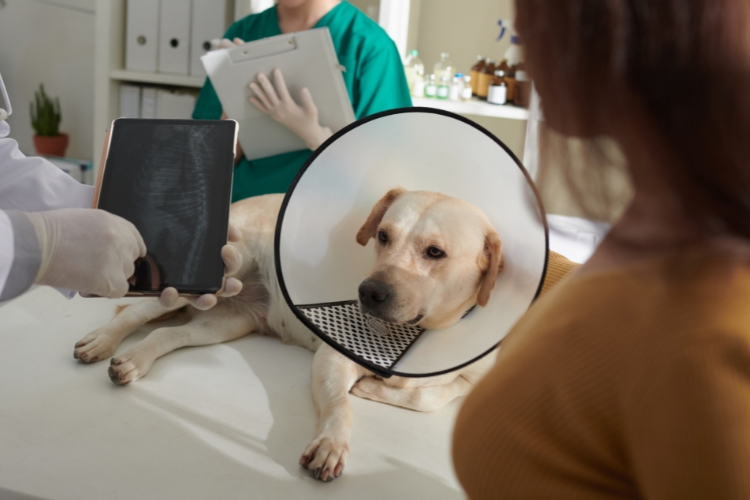
Before surgery, the veterinary team typically reviews the pet’s medical history, current symptoms, physical examination findings, and previous diagnostic results. Depending on the situation, additional testing may be recommended to assess the pet’s overall condition before anesthesia.
A detailed surgical plan helps the veterinarian determine which area needs to be examined and what possible findings may require treatment.
Pet owners may also receive instructions about food, water, medications, and activity before the procedure. Following these instructions carefully can help support a smoother surgical experience.
The veterinarian should also discuss the expected procedure, potential findings, recovery considerations, and possible complications so that owners understand what to expect.
What Happens During the Procedure?
Once the pet is appropriately prepared for anesthesia, the veterinary team monitors the pet throughout the procedure. The veterinarian makes a surgical incision that provides access to the area being evaluated.
For abdominal exploratory procedures, the veterinarian may systematically examine organs and surrounding tissues. The exact structures evaluated depend on the pet’s symptoms and the suspected problem.
If an abnormal area is identified, the veterinarian may take a sample for further testing. When appropriate, treatment may also be performed during the same procedure.
The length of surgery varies considerably depending on what is discovered and whether additional treatment is necessary.
What Is Recovery Like After Exploratory Surgery?
Recovery depends on the type and extent of surgery and the condition being treated. After anesthesia, pets are monitored as they gradually become alert and comfortable.
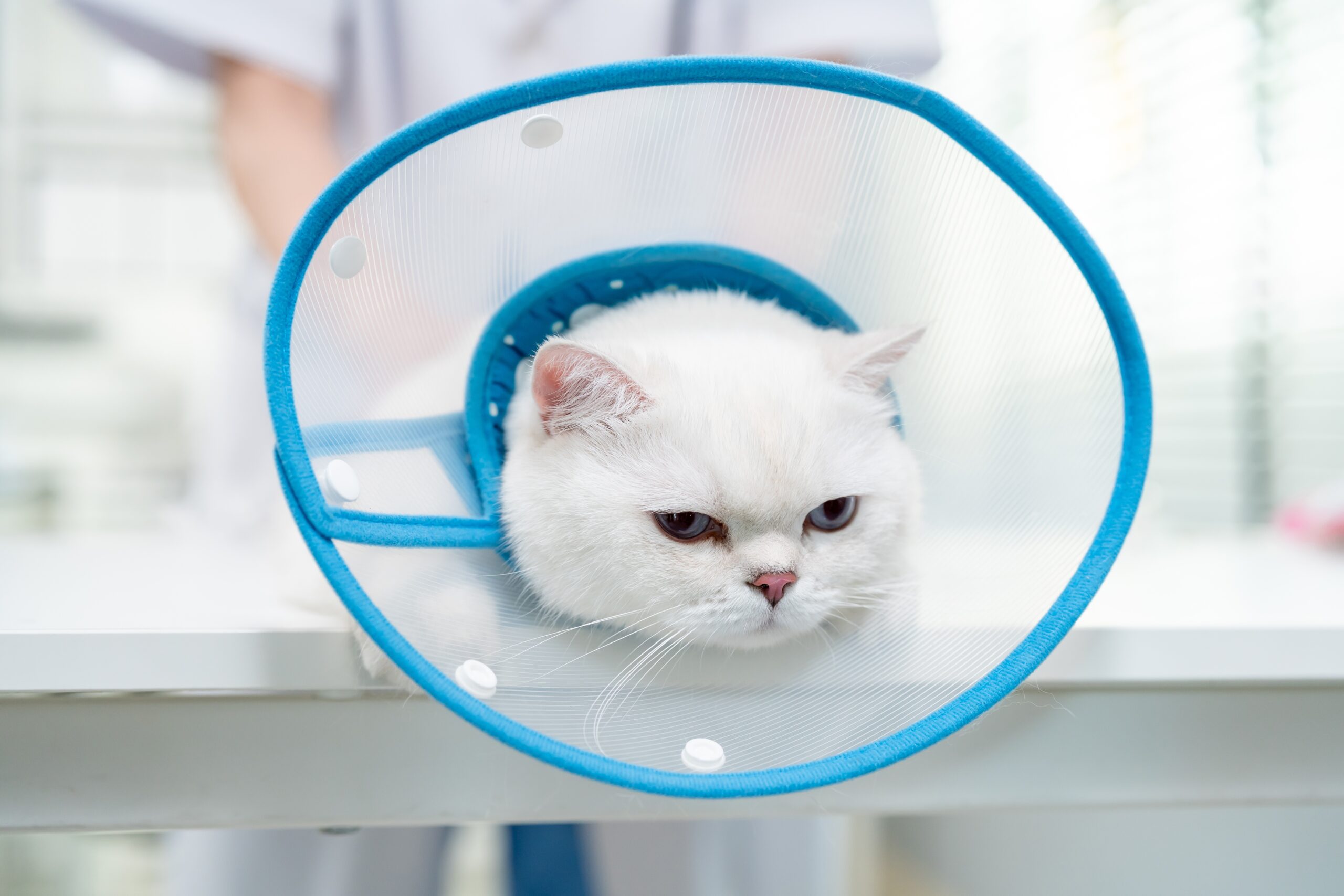
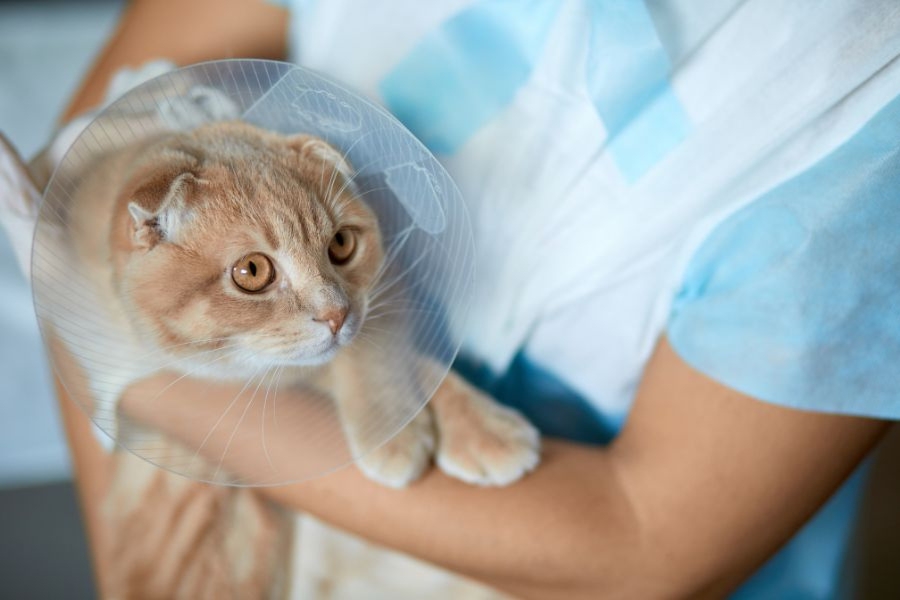
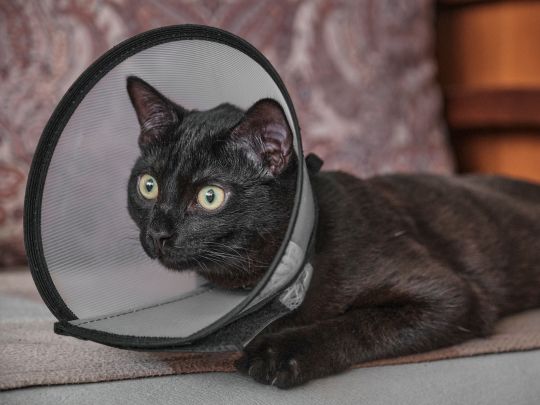
At home, pet owners may need to restrict activity for a period of time and follow specific instructions for incision care, medications, feeding, and follow-up visits. Preventing excessive running, jumping, or licking of the surgical area can be an important part of recovery.
Some pets regain their normal routine relatively quickly, while others need more time, particularly when extensive treatment was required during the exploratory procedure.
Pet owners should contact their veterinary team if they notice concerning changes during recovery, such as significant swelling, discharge from the incision, worsening discomfort, or other unexpected symptoms.
Why Communication Matters Before Pet Surgery
Any surgical procedure can raise questions for pet owners. Understanding why veterinary surgery has been recommended can make the experience less stressful and help owners participate actively in their pet’s care.
Before the procedure, consider asking:
- What problem are we trying to investigate?
- What have previous diagnostic tests shown?
- What might the veterinarian discover?
- Could treatment be performed during the procedure?
- What will recovery involve?
- What follow-up care will my pet need?
At Dogwood Trails Animal Hospital in Bentonville, discussing these questions with the veterinary team can help you understand your pet’s treatment plan and make informed decisions.
How Pet Surgical Services Can Support Diagnosis and Treatment
A pet surgical service is not limited to correcting an already confirmed condition. In selected cases, surgery can provide important diagnostic information that guides the next stage of treatment.
Exploratory procedures may help veterinarians move from uncertainty toward a clearer diagnosis. This can be particularly valuable when a pet’s symptoms are persistent or when previous tests have provided clues without a definitive answer.
The goal is always to use the most appropriate diagnostic and treatment approach for the individual pet.
Schedule an Appointment With Dogwood Trails Animal Hospital
If your pet has ongoing symptoms, unusual diagnostic findings, or a condition that may require further investigation, talking with a veterinarian is an important next step. The team at Dogwood Trails Animal Hospital in Bentonville can discuss your pet’s symptoms, review available diagnostic information, and explain whether veterinary surgery may be appropriate.
Schedule an online appointment with Dogwood Trails Animal Hospital to discuss your pet’s health and explore the next steps in their care.
Frequently Asked Questions
Q1. Is exploratory surgery only used when other tests fail?
Ans: Not necessarily. Exploratory surgery may be considered when other tests provide useful clues but cannot fully identify the source or extent of a problem. The veterinarian decides whether surgery is appropriate based on the individual pet’s situation.
Q2. Can veterinarians treat a problem during exploratory surgery?
Ans: Yes. Depending on what is discovered and what was discussed before surgery, the veterinarian may be able to treat certain problems during the procedure, such as removing foreign material or addressing abnormal tissue.
Q3. Will my pet need additional testing after exploratory surgery?
Ans: Sometimes. If the veterinarian collects tissue or fluid samples, laboratory testing may be recommended to identify the nature of an abnormal finding and help guide ongoing treatment.
Q4. How long does recovery from exploratory surgery take?
Ans: Recovery varies based on the procedure, the pet’s overall health, and whether additional treatment was required. Your veterinary team will provide individualized instructions for activity, incision care, feeding, medications, and follow-up.
Q5. How can I prepare my pet for exploratory surgery?
Ans: Follow the veterinary team’s instructions regarding food, water, medications, transportation, and activity before the procedure. You should also discuss your pet’s current medications and any recent changes in behavior or symptoms with the veterinary team.