Urgent Care & Walk-ins are Welcome!

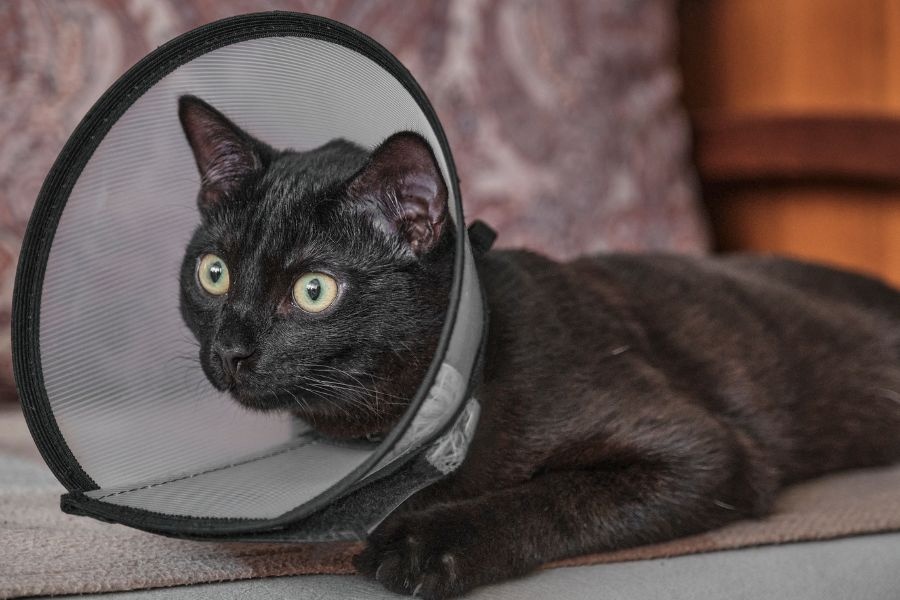
A cat’s age and medical history play an important role in determining how a veterinary team prepares for surgery. While some cats undergo procedures with minimal complications, others may need additional testing, medication adjustments, or closer monitoring based on their individual health needs. Understanding these factors helps cat owners make informed decisions and prepare their pets for a safer surgical experience.
For pet owners in Bentonville, learning how veterinarians approach cat surgery can make the process feel more manageable. A kitten, a healthy adult cat, and a senior cat may require different considerations, even when undergoing similar procedures. Dogwood Trails Animal Hospital recognizes the importance of individualized veterinary care, where a cat’s current condition, previous illnesses, and age-related changes help guide decisions about treatment and recovery.
Why Age Matters When Planning Cat Surgery
Age provides useful information about a cat’s likely health needs, but it does not determine surgical suitability on its own. A young cat can have an underlying medical condition, while an older cat may remain active and have stable organ function. Veterinarians consider age alongside physical examination findings, diagnostic results, behavior, and medical history.
Kittens and young cats may have different nutritional needs, smaller body size, and developing physiological systems. These factors can influence medication calculations, temperature regulation, and fluid management during anesthesia. The veterinary team considers the kitten’s size, maturity, overall condition, and the reason surgery is needed.
Adult cats may tolerate many procedures well when they are generally healthy. However, previous injuries, chronic conditions, weight changes, and medication use can still affect surgical preparation. Routine health assessments help identify concerns that might not be obvious from appearance alone.
Senior cats may experience age-related changes in kidney function, heart health, blood pressure, or other body systems. Some older cats also have arthritis or chronic conditions that influence positioning, pain management, and mobility after surgery. Additional testing may help the veterinarian identify these concerns and plan appropriate support.
The goal is not to avoid surgery simply because a cat is young or old. It is to understand the individual patient’s needs and adapt the treatment plan accordingly.
How Medical History Shapes Surgical Decisions
A cat’s medical history gives veterinarians important clues about possible risks and necessary precautions. Information that seems unrelated to the planned procedure may still influence anesthesia choices, medication selection, or recovery planning.
Previous illnesses: A history of kidney disease, heart problems, liver disorders, diabetes, or respiratory conditions may require additional evaluation before surgery. The veterinarian may review earlier test results and assess whether the condition is stable.
Previous surgical procedures: Details about earlier operations, anesthesia reactions, bleeding complications, or difficult recoveries can help the veterinary team prepare. If a cat experienced nausea, prolonged grogginess, or another concern after anesthesia, owners should mention it during the consultation.
Current medications and supplements: Certain medications can affect blood pressure, clotting, blood sugar, or the way other drugs work. Provide a complete list of prescription medications, over-the-counter products, and supplements. Never stop or change a prescribed medication without veterinary instructions.
Allergies and sensitivities: Any known medication reaction or unusual response to a treatment should be shared before the procedure. This information can help the veterinarian choose suitable alternatives when needed.
Recent changes in health: Reduced appetite, vomiting, unusual thirst, changes in urination, coughing, weight loss, or lower activity levels may indicate a problem that needs assessment before surgery. Even subtle changes can be relevant.
Sharing an accurate medical history allows the veterinary team to identify potential concerns early instead of discovering them during the procedure.
What Pre-Surgical Tests May Be Recommended?
A physical examination is an important starting point, but it may not reveal every underlying condition. Depending on the cat’s age, medical history, and planned procedure, the veterinarian may recommend diagnostic tests to gather more information.
Bloodwork can help evaluate red and white blood cells, platelet levels, blood sugar, and indicators of kidney or liver function. These findings may reveal anemia, inflammation, or organ-related concerns that influence the surgical plan.
Urinalysis may provide additional information about kidney function, hydration, and urinary health. Blood pressure measurement can be especially useful for cats with certain chronic conditions or findings that suggest cardiovascular or kidney concerns.
If the examination or medical history raises specific questions, the veterinarian may recommend imaging or further cardiac evaluation. Not every cat needs every test. The appropriate assessment depends on the individual patient’s risk factors and the type of procedure being considered.
Test results help guide decisions about whether surgery can proceed as planned, whether adjustments are advisable, or whether a medical concern should be addressed first.
How Age and Health Affect Anesthesia Planning
Anesthesia is carefully tailored to the cat rather than selected according to age alone. The veterinary team considers body weight, physical condition, existing diseases, previous reactions, and the length and complexity of the procedure.
For smaller or younger cats, maintaining body temperature and calculating appropriate medication doses are important considerations. Older cats or those with chronic illness may require specific anesthetic choices and closer attention to blood pressure, breathing, circulation, and temperature.
Monitoring during anesthesia allows the veterinary team to assess how the cat responds throughout the procedure. Depending on the patient’s needs, the plan may include intravenous access, fluid support, and additional monitoring equipment.
These precautions do not eliminate every risk, but they help the veterinary team recognize changes and respond appropriately. Owners should ask how their cat’s health history affects the proposed anesthetic plan and what monitoring will be provided.
Adjusting Pain Management and Recovery Care
Surgical planning continues after the procedure itself. A cat’s age, health status, mobility, and previous medication responses can influence pain relief and home care instructions.
Cats with kidney or liver concerns may need particular consideration when medications are selected or dosed. The veterinarian will determine which options are suitable and explain how to administer them. Human pain relievers should never be given to cats unless specifically directed by a veterinarian, as many can be toxic.
Senior cats with arthritis or limited mobility may benefit from a quiet recovery area with easy access to food, water, and a litter box. Kittens and active adult cats may need help limiting jumping, running, and climbing while the incision heals.
Owners should follow instructions about feeding, activity restrictions, incision care, and follow-up visits. Contact the veterinary clinic if the cat develops worsening discomfort, persistent vomiting, unusual weakness, incision swelling, discharge, or other concerning changes.
How Cat Owners Can Help Before Surgery
Pet owners are important partners in preparing for a procedure. Sharing complete information and following instructions can help reduce avoidable complications.
Before the appointment, gather your cat’s medical records, previous laboratory results, and a list of current medications. Make a note of recent changes in appetite, weight, thirst, urination, or behavior. If you are unsure whether a detail matters, mention it rather than leaving it out.
Ask the veterinarian about the purpose of the procedure, possible risks, recommended tests, expected recovery time, and any alternatives. Confirm instructions for food, water, and medication because preparation requirements can vary. Do not make changes without guidance from the veterinary team.
For families in Bentonville, discussing these details with Dogwood Trails Animal Hospital can help clarify how age and medical history influence the care plan. Thoughtful preparation supports better communication and helps owners know what to expect before bringing their cat home.
Personalized Pet Surgical Services in Bentonville
Every cat has a unique combination of age, health history, temperament, and treatment needs. These factors help veterinarians decide which evaluations are appropriate, how anesthesia should be managed, and what support may be needed during recovery.
If your cat may need a procedure, contact Dogwood Trails Animal Hospital in Bentonville to discuss the next steps. Ask about scheduling a consultation, reviewing your cat’s medical records, and determining whether pre-surgical testing is recommended. A conversation with your veterinary team can help you understand the available pet surgical services and prepare a care plan tailored to your cat.
Frequently Asked Questions
Q1. Is surgery riskier for senior cats than for younger cats?
Ans: Senior cats may have age-related health changes that influence anesthesia and recovery, but age alone does not determine risk. A veterinary examination and appropriate testing help assess each cat’s individual condition.
Q2. Should I tell my veterinarian about a surgery my cat had years ago?
Ans: Yes. Previous anesthesia experiences, complications, medication reactions, and recovery problems can provide useful information when planning another procedure, even if the earlier surgery happened several years ago.
Q3. Will my cat need extra testing because of its age?
Ans: Possibly. The veterinarian may recommend bloodwork, blood pressure measurement, urine testing, or other diagnostics based on age, examination findings, medical history, and the planned procedure.
Q4. Can my cat’s regular medications affect surgical planning?
Ans: Yes. Some medications influence blood pressure, clotting, or organ function, while others may interact with anesthetic drugs. Give the veterinary team a complete medication list and follow its instructions before surgery.
Q5. How can I make recovery easier for an older cat after surgery?
Ans: Prepare a quiet, comfortable recovery space with easy access to essentials, follow activity and medication instructions, and monitor appetite, mobility, and the incision. Ask your veterinarian whether your cat needs any age-specific adjustments at home.