Urgent Care & Walk-ins are Welcome!
Dental disease is one of the most common conditions affecting pets, yet it often goes unnoticed until it causes pain, infection, or behavioral changes. For families in Bentonville, AR, understanding how dental problems develop is a crucial step toward protecting a pet’s long-term comfort and well-being. This blog explores how dental disease starts, how it progresses, and why early action matters. More importantly, it explains what local pet owners can do both at home and with professional support from animal hospitals and animal clinics to prevent serious complications. If you’ve ever wondered whether dental care is really that important, this guide will give you clear, practical answers.
What This Means for Your Pet’s Health
Dental disease begins quietly. After meals, food particles mix with naturally occurring bacteria in the mouth, forming a soft film known as plaque. If plaque isn’t removed, it hardens into tartar within days. This buildup irritates the gums and leads to gingivitis, which causes redness, swelling, and discomfort.
At this stage, pets may not show obvious signs of pain. They still eat, play, and behave normally, which is why dental disease often slips under the radar. However, beneath the surface, bacteria continue to multiply. As inflammation worsens, gums begin to pull away from the teeth, creating pockets where infection thrives. This is when periodontal disease develops.
Once bacteria reach below the gumline, the consequences extend far beyond the mouth. Infection can weaken jawbones, loosen teeth, and cause abscesses. Even more concerning, oral bacteria can enter the bloodstream and travel to vital organs. This connection between oral health and systemic illness is why experienced vets in Bentonville, AR, emphasize routine dental services as a core part of preventive care, not an optional add-on.
Key Benefits for Local Pet Owners
Addressing dental health early provides benefits that go far beyond a cleaner smile. Regular dental services help pets stay comfortable while giving owners peace of mind.
Key advantages include:
- Reduced the risk of chronic pain that pets often hide
- Better appetite and digestion due to pain-free chewing
- Lower chances of emergency dental procedures
- Protection against infection spreading to internal organs
- Improved quality of life at every life stage
Animal hospitals and veterinary hospital teams see firsthand how untreated dental disease affects pets emotionally and physically. Preventive care helps avoid sudden health scares and supports a more predictable, manageable care routine for families.
Practical Tips You Can Use at Home
Home care plays an important role in slowing dental disease, especially between professional visits. While it doesn’t replace in-clinic treatment, it can significantly reduce plaque buildup when done consistently.
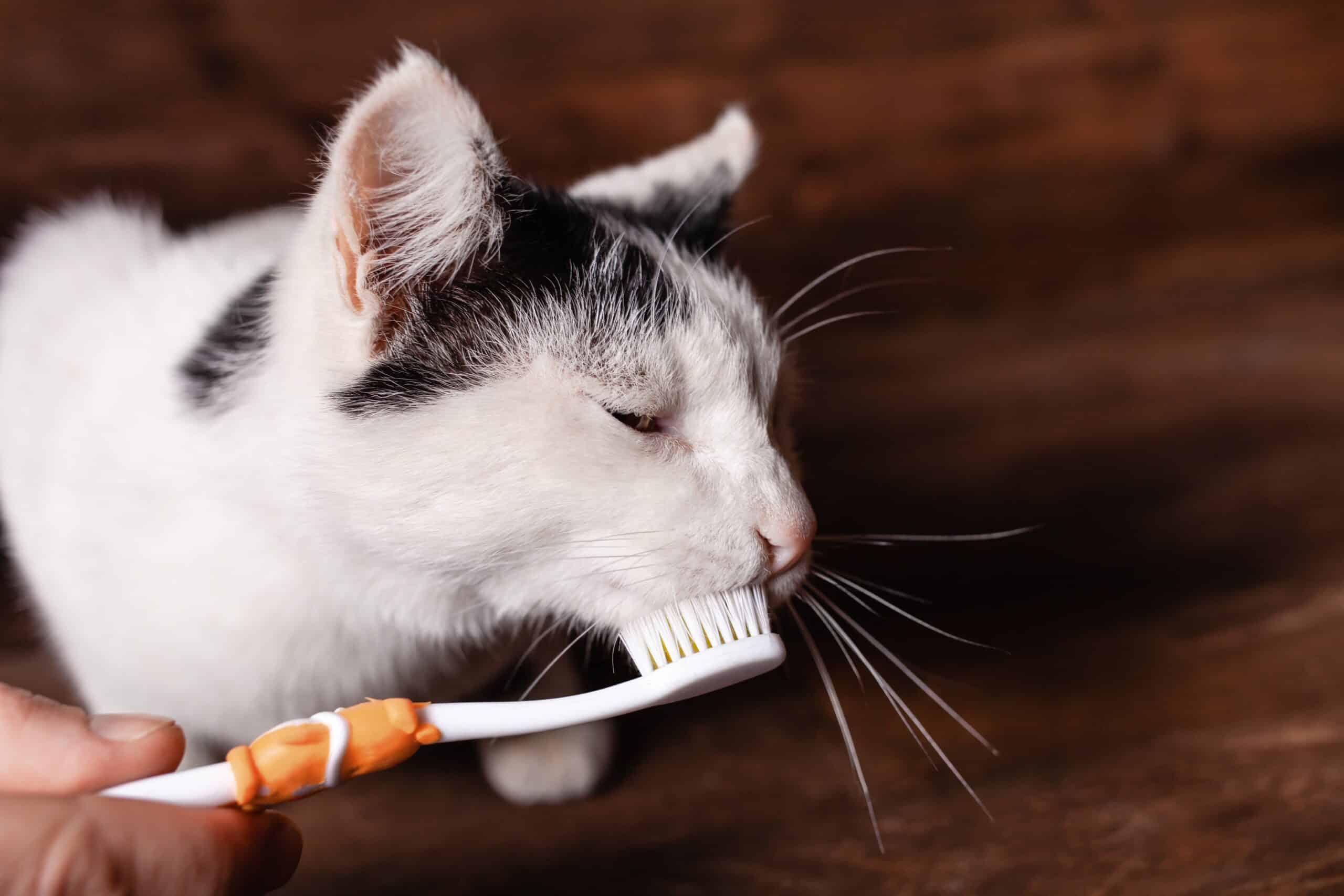
Brushing your pet’s teeth remains the gold standard. Use only pet-safe toothpaste and start slowly, especially if your pet isn’t used to oral handling. Even brushing a few times a week can make a difference. Dental chews, water additives, and specially designed toys can also support oral health by reducing surface plaque.
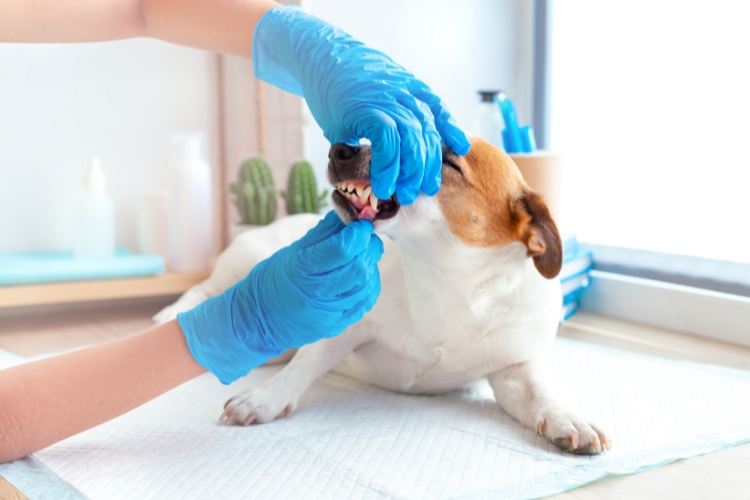
Equally important is observation. Watch for warning signs such as drooling, pawing at the mouth, dropping food, or favoring one side while chewing. Behavioral changes like irritability or withdrawal can also signal oral pain. When these signs appear, it’s time to seek evaluation at animal clinics or a veterinarian hospital equipped to provide full dental services.
How Our Veterinary Team Supports the Community
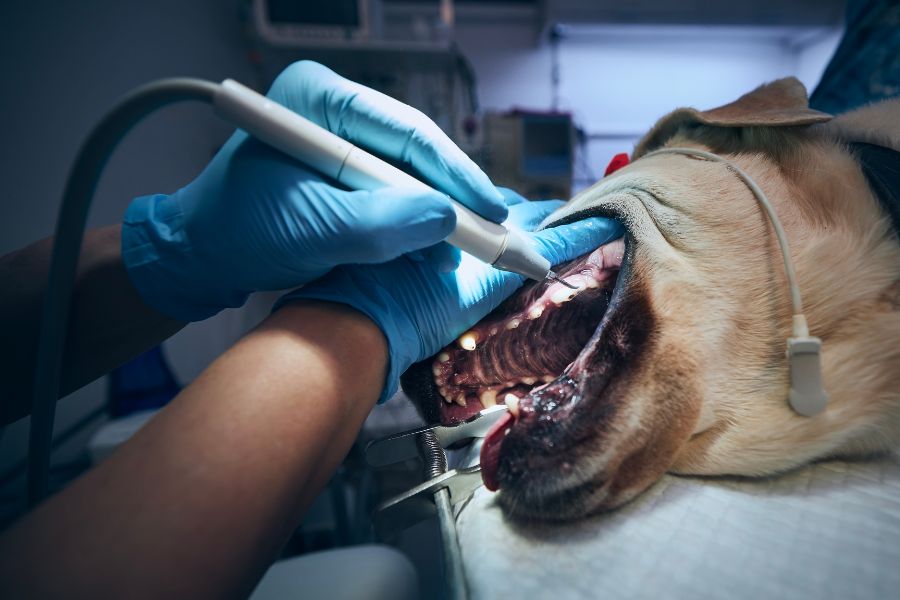
Dental care isn’t one-size-fits-all. Each pet has unique needs based on age, breed, and overall health. That’s why Dogwood Trails Animal Hospital approaches dental services with a personalized mindset. From detailed oral exams to professional cleanings and post-procedure care, the focus is always on safety, comfort, and long-term wellness.
Our veterinarians collaborate with other animal hospitals when advanced diagnostics are needed, ensuring pets receive seamless support throughout their treatment journey. For families seeking pet dentistry in Bentonville, AR, our veterinarian hospital team prioritizes education, transparency, and preventive planning. We believe informed pet owners make the best decisions, and we’re here to guide those choices every step of the way.
Dental disease doesn’t happen all at once, but its effects can be lasting if ignored. Understanding how plaque progresses to infection empowers pet owners to act early and avoid unnecessary pain for their companions. Consistent dental services, attentive home care, and guidance from trusted animal clinics all work together to protect your pet’s health. If it’s been a while since your pet’s last dental check or if you’ve noticed changes, now is the right time to contact us and take a proactive step toward lifelong wellness.
FAQs
Q1: How common is dental disease in pets?
Ans: Dental disease is extremely common, especially in adult dogs and cats. Many pets show signs by three years of age without regular dental services.
Q2: Does my pet really need professional dental cleanings?
Ans: Yes, professional cleanings performed at animal hospitals reach below the gumline, where home care cannot remove bacteria effectively.
Q3: Are dental procedures painful for pets?
Ans: With proper anesthesia, monitoring, and pain management at a veterinary hospital, dental procedures are safe and designed to minimize discomfort.
Q4: How can I tell if my pet is hiding dental pain?
Ans: Pets often mask pain, changes in eating habits, bad breath, or behavior are often the first clues that something is wrong.
Q5: Do small breeds have higher dental risks?
Ans: Smaller breeds tend to develop dental disease earlier due to crowded teeth, making regular dental services especially important.
Q6: How often should I schedule dental checkups?
Ans: Most pets benefit from annual dental exams, though some may need more frequent visits based on individual risk factors.