Urgent Care & Walk-ins are Welcome!
As your beloved dog enters their golden years, their nutritional needs begin to change. Just like humans, senior dogs require a balanced diet that supports their aging body, maintains their energy, and strengthens their immune system. Choosing the healthiest food for your senior dog can make a tremendous difference in their quality of life.
In this guide, we’ll explore the key nutrients your senior dog needs, how to choose the right diet, and why consulting a veterinarian is essential for your dog’s long-term health.
1. Why Nutrition Matters More as Dogs Age
As dogs get older, their metabolism slows down, and their activity level decreases. This means they burn fewer calories and are more prone to gaining weight. Additionally, aging can affect their joints, digestive system, and immune function.
Providing the right food helps maintain a healthy weight, support joint health, and boost vitality. Proper nutrition can also delay age-related diseases, such as arthritis, diabetes, and kidney issues.
2. Key Nutrients Every Senior Dog Needs
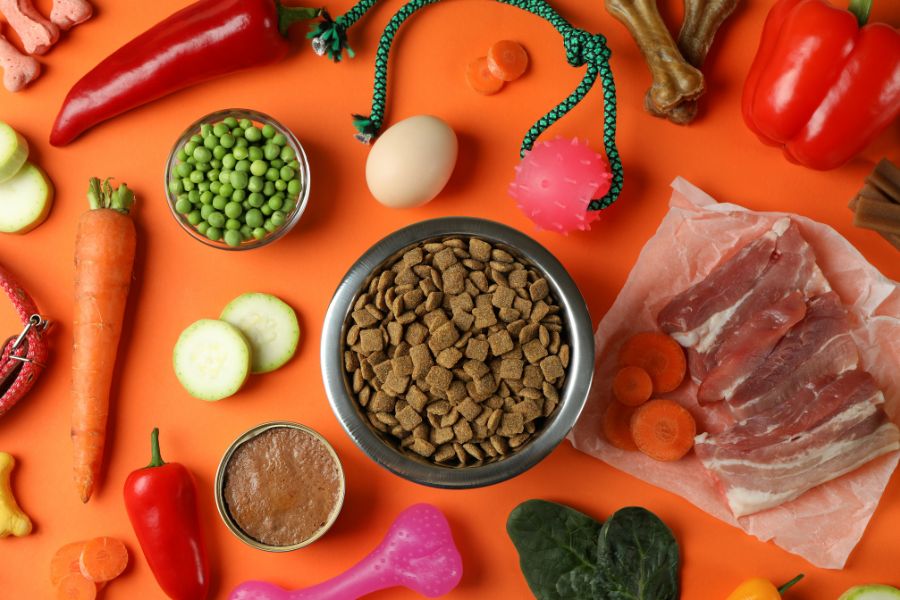
To keep your senior dog healthy and happy, focus on foods that contain the following essential nutrients:
- High-Quality Protein:
Aging dogs still need protein to maintain muscle mass and support tissue repair. Look for animal-based proteins like chicken, turkey, fish, or lamb. However, the protein should be easily digestible and moderate in amount to avoid stressing the kidneys. - Healthy Fats (Omega-3 & Omega-6):
Fats provide energy and help keep your dog’s coat shiny and skin healthy. Omega-3 fatty acids, found in fish oil or flaxseed, can reduce inflammation and support joint health. - Fiber:
As dogs age, their digestive system slows down. Fiber aids in digestion and helps prevent constipation. Foods with sweet potatoes, pumpkin, or brown rice are excellent sources of natural fiber. - Antioxidants and Vitamins:
Vitamins C and E, along with antioxidants from fruits and vegetables, strengthen the immune system and fight free radicals that cause aging. - Joint-Supporting Nutrients:
Ingredients like glucosamine and chondroitin can help ease arthritis and improve mobility in senior dogs.
3. Wet Food vs. Dry Food: Which Is Better for Senior Dogs?
Many dog owners wonder whether wet food or dry kibble is better for aging pets. Both have their advantages, but the best option often depends on your dog’s health and preference.
- Dry Food (Kibble):
Helps keep teeth clean and can be more affordable. Look for kibble designed specifically for senior dogs with added joint and heart support nutrients. - Wet Food (Canned):
Easier to chew and digest—perfect for dogs with dental problems or decreased appetite. It also provides additional hydration, which is beneficial for dogs prone to kidney issues.
Tip: You can mix wet and dry food to offer the best of both worlds — texture variety, hydration, and nutritional balance.
4. Ingredients to Avoid in Senior Dog Food
Not all dog foods are created equal. Some contain fillers and harmful additives that can harm your senior pet over time. Always check the ingredient list and avoid these items:
- Artificial colors, flavors, or preservatives
- Excessive salt and sugar
- Meat by-products or unidentified animal meals
- High levels of corn, wheat, or soy fillers
Choosing natural, vet-approved, and AAFCO-certified foods ensures your senior dog gets complete and balanced nutrition.
5. Homemade vs. Commercial Senior Dog Food
Some pet parents prefer homemade meals for better control over ingredients. While this approach can be beneficial, it’s important to ensure your dog receives the right balance of nutrients. Homemade diets lacking key vitamins or minerals can lead to deficiencies.
If you choose this route, always consult your veterinarian or a pet nutritionist to design a vet-approved homemade meal plan that meets your dog’s specific needs.
On the other hand, commercial senior dog foods are formulated based on extensive research. Trusted brands include Hill’s Science Diet, Royal Canin, Blue Buffalo, and Purina Pro Plan, all offering senior-specific formulas.
6. Signs It’s Time to Change Your Dog’s Diet
Transitioning your dog to senior food usually happens around the age of 7 years for large breeds and 10 years for smaller breeds. However, every dog is unique.
Watch for these signs that may indicate your dog needs a new diet:
- Slower movement or decreased energy
- Weight gain or loss
- Digestive issues (constipation, gas, vomiting)
- Dull coat or dry skin
- Dental problems or loss of appetite
If you notice any of these changes, schedule a vet visit. A professional evaluation can determine whether a diet change or supplements are needed.
7. How to Transition to Senior Dog Food Safely
When switching to new food, do it gradually over 7–10 days to prevent stomach upset. Start by mixing a small amount of the new food with the old one, then increase the new food ratio daily until the transition is complete.
This slow approach allows your dog’s digestive system to adapt comfortably.
Feeding your senior dog the right diet is one of the most loving things you can do. The healthiest food for a senior dog should include high-quality protein, healthy fats, and essential vitamins that support longevity and vitality.
If you are located in Bentonville, AR and searching for professional guidance on senior dog care in Bentonville, AR, visit Dogwood Trails Animal Hospital. Our team offers personalized nutrition advice, health monitoring, and compassionate care to help your senior dog live their best, healthiest life.