Urgent Care & Walk-ins are Welcome!

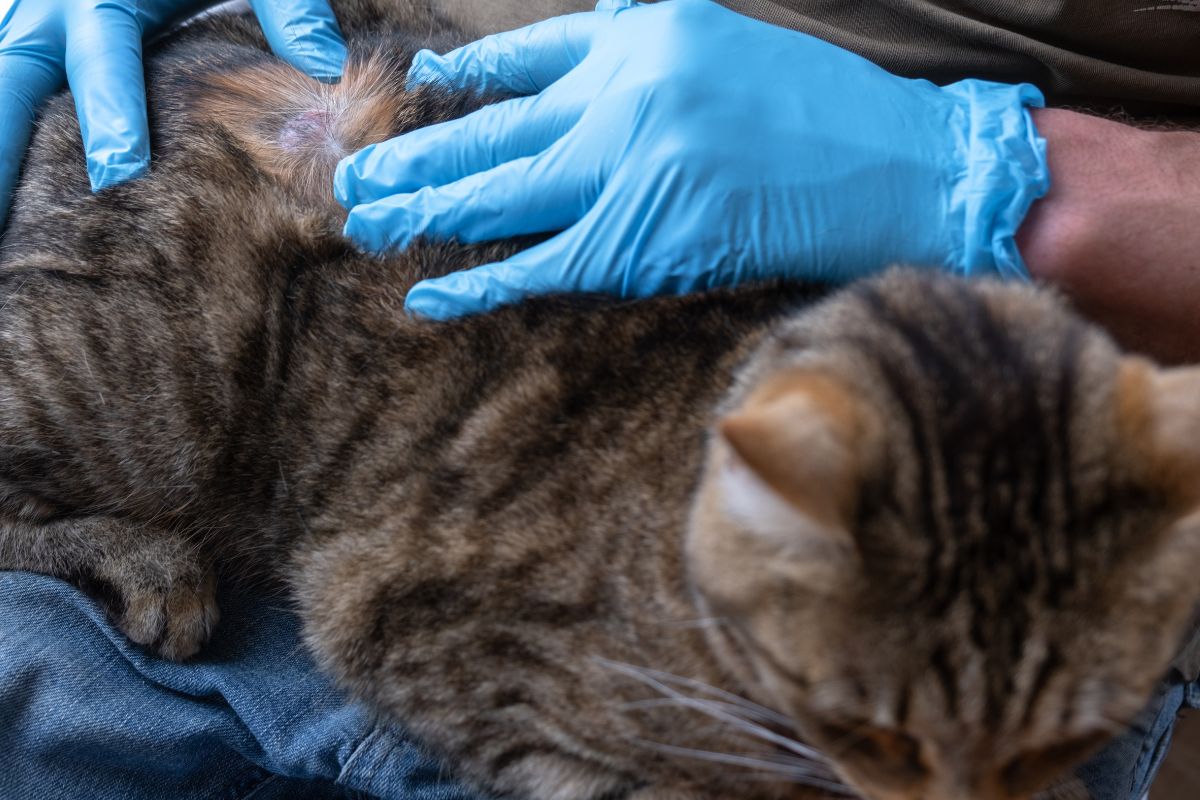
As a cat owner, it can be alarming to discover pus on or around your feline friend. Whether it’s oozing from a wound, forming a lump, or crusting on the skin, you’re likely asking yourself: Does pus always mean infection in cats?
In most cases, the answer is yes—pus is often a clear sign that your cat’s body is responding to an infection. Understanding what pus is, what causes it, and what to do next can help you act quickly and protect your cat’s health.
What Is Pus?
Pus is a thick, yellowish or greenish fluid composed of dead white blood cells, bacteria, and tissue debris. It’s part of your cat’s immune response, typically forming at the site of an infection to fight off invading organisms.
Pus can appear:
- Draining from a wound
- Under the skin as a lump or abscess
- In the eyes, ears, or mouth
- Around the anal glands
Common Causes of Pus in Cats
1. Abscesses
An abscess is one of the most common causes. These often result from bite wounds, especially in outdoor or territorial cats. When bacteria enter the skin, the body walls off the area, creating a pocket of infection. If it bursts, you’ll often see foul-smelling pus draining from the site.
2. Dental Infections
Pus near the mouth or on the gums can indicate a dental abscess or gum infection. You might also notice bad breath, drooling, or reluctance to eat.
3. Ear Infections
Pus or thick discharge from a cat’s ear can be a sign of an inner or middle ear infection. Other signs might include head shaking, scratching, or a tilted head.
4. Eye Infections
Discharge that is thick, yellow, or green from the eyes typically signals conjunctivitis or another type of eye infection. This may be accompanied by redness, squinting, or pawing at the face.
5. Anal Gland Infections
Pus around the rear or a foul odor might indicate a blocked or infected anal gland, which is painful and needs veterinary attention.
When Pus Might Not Mean Infection
While pus almost always points to infection, there are a few rare exceptions. For example:
- Sterile abscesses can occur if a substance like a vaccine causes local irritation, creating pus without bacteria present.
- Cyst ruptures or other fluid-filled lumps may occasionally resemble pus but aren’t infectious. However, these are exceptions. If you see pus, it’s safest to assume there’s an infection until a vet says otherwise.
What Should You Do If You See Pus
If your cat has pus anywhere on or in their body, don’t ignore it. Even if your cat seems fine otherwise, infections can spread quickly and become dangerous.
Here’s what to do?
Treatment Options
Once diagnosed, treatment will depend on the cause and severity. Common treatments include:
- Antibiotics: Oral or topical to kill bacteria.
- Draining and flushing: In the case of abscesses or infected wounds.
- Surgery: For deep infections or recurring abscesses.
- Dental care: For mouth-related infections.
Yes—in most cases, pus does mean your cat has an infection. While it may be tempting to wait and see if it improves, infections in cats can progress rapidly. Prompt vet dental care is very beneficial as it not only relieves your cat’s pain and discomfort but can prevent more serious health issues. If you notice pus on your cat, trust your instincts and schedule a vet visit as soon as possible.