Urgent Care & Walk-ins are Welcome!

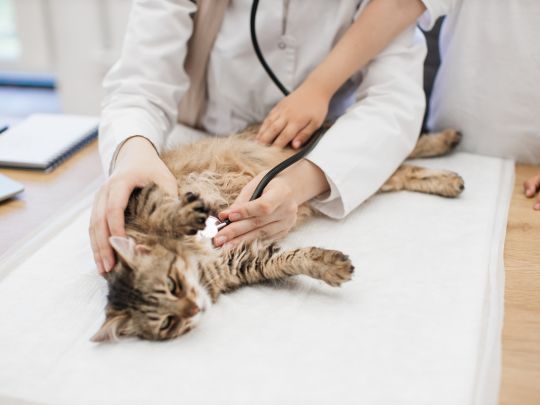
As pet owners, we want our companions to live long, healthy, and comfortable lives. Yet even with the best food, daily affection, and a loving home, pets still need regular checkups to stay healthy. Routine wellness exams play a major role in keeping cats and dogs protected from illness, catching problems early, and ensuring they receive the medical care they need at every stage of life. These visits give veterinarians a full picture of your pet’s health—something that simply can’t be achieved at home.
While pets are excellent at hiding discomfort, wellness exams help uncover issues before they become serious. In this blog, we’ll explore why these exams matter, what they include, and how they can support your pet’s long-term health.
Why Routine Wellness Exams Matter
1. Early Detection of Health Problems
Pets can’t tell us when something feels off. In fact, cats and dogs often hide signs of pain or illness until a condition becomes advanced. Because of this, routine wellness exams act as an essential safety net for your pet’s health.
During these visits, veterinarians check for subtle signs of disease—such as changes in weight, dental issues, early heart conditions, and even small lumps that could become problematic. When problems are found early, they are usually easier, less stressful, and less expensive to treat.
2. Monitoring Your Pet’s Overall Well-Being
Pets go through many changes as they age. Their nutritional needs shift, energy levels change, and risks for certain illnesses increase. Routine checkups allow your veterinarian to track these changes over time.
By comparing past exam results with current findings, your vet can identify patterns and recommend adjustments in diet, lifestyle, and preventive care. This ongoing monitoring supports every aspect of your pet’s well-being, from joint health to organ function.
3. Vaccinations and Parasite Prevention
Vaccines and parasite-prevention plans are key parts of your pet’s long-term health. However, these treatments are not one-size-fits-all.
A wellness exam helps your veterinarian determine which vaccines your pet needs based on their lifestyle, age, and risk factors. Additionally, regular visits help ensure that your pet is protected from dangerous parasites like fleas, ticks, heartworms, and intestinal worms.
Not only do these preventives protect your pet, but they also help keep your home and family safe from zoonotic parasites.
4. Dental Health Matters More Than You Think
Dental problems are extremely common in both cats and dogs. Without regular checkups, tartar buildup, gum disease, and infections can go unnoticed.
Wellness exams allow veterinarians to examine your pet’s teeth, gums, and mouth. Since poor dental health can lead to pain and even affect the heart and kidneys, identifying issues early is essential. Your vet may recommend dental cleanings, diet changes, or at-home brushing to prevent complications.
5. Nutrition and Weight Management
Just like humans, pets need balanced nutrition to thrive. Over time, a pet’s dietary needs change—and many pets struggle with obesity. Wellness exams give you a chance to discuss your pet’s current weight, metabolism, and nutritional needs.
Also, the vet can provide personalized diet recommendations based on:
- Age
- Activity level
- Breed
- Medical conditions
Managing weight through routine exams can prevent serious issues like diabetes, joint pain, and heart disease.
6. Behavior and Lifestyle Assessments
Behavior often reflects overall health. Changes in sleeping patterns, activity levels, or appetite may signal deeper issues. A wellness exam allows your veterinarian to evaluate your pet’s behavior, giving you insights into stress, anxiety, pain, or environmental triggers.
Moreover, lifestyle assessments help ensure that your pet is getting proper exercise, mental stimulation, and socialization.
What Happens During a Wellness Exam?
A wellness exam is a head-to-tail evaluation and typically includes:
Physical Examination
Your veterinarian will examine:
- Eyes
- Ears
- Nose
- Teeth and gums
- Skin and coat
- Heart and lungs
- Abdomen
- Joints and muscles
- Weight and body condition
This hands-on assessment helps reveal early signs of disease or discomfort.
Diagnostic Testing
Depending on your pet’s age and health, the vet may recommend:
- Bloodwork
- Urinalysis
- Fecal examination
- X-rays or ultrasounds
These tests provide valuable information about your pet’s internal health, helping catch conditions that are not visible externally.
Vaccination Review
Your veterinarian will ensure your pet stays up-to-date with core and lifestyle-based vaccines, tailored to their needs.
Preventive Care Discussion
You’ll receive guidance on:
- Parasite prevention
- Nutrition
- Dental care
- Exercise
- Home health monitoring
This education empowers you to support your pet’s health year-round.
Senior Pet Care
As pets age, wellness exams become even more important. Senior pets may require:
- Twice-yearly visits
- Blood pressure checks
- More frequent diagnostics
Detecting age-related issues early helps maintain comfort and mobility.
How Often Should Pets Get Wellness Exams?
The ideal frequency depends on your pet’s age:
- Puppies and kittens: Every 3–4 weeks until vaccinations are complete
- Adult pets (1–7 years): Once a year
- Senior pets (7+ years): Twice a year
Routine exams support a healthier, happier life at every age.
Routine care is the foundation of a long, healthy life for your pet. When you stay consistent with veterinary checkups, you give your companion the best chance at early diagnosis, effective treatments, and long-term wellness. Whether your pet is young, active, senior, or somewhere in between, these visits help protect them from preventable illness and discomfort. To give your pet the care they deserve, schedule regular wellness exams for cats & dogs and keep them thriving year after year.
FAQs
Q1. How often should my pet have a wellness exam?
Ans. Most adult pets should visit the vet once a year. Senior pets benefit from exams every six months to monitor age-related changes.
Q2. What does a wellness exam include?
Ans. A wellness exam includes a full physical check, weight assessment, dental evaluation, vaccinations, parasite prevention, and recommended diagnostic tests.
Q3. Why are wellness exams important for indoor pets?
Ans. Indoor pets still develop medical issues such as dental disease, weight gain, and chronic conditions. Exams help detect these early.
Q4. Do puppies and kittens need more frequent wellness exams?
Ans. Yes. Young pets require multiple visits for vaccines, growth monitoring, and preventive care during their first months of life.
Q5. Can wellness exams help detect hidden health problems?
Ans. Absolutely. Many issues—like heart disease or kidney problems—are not visible. Exams and diagnostics help catch these early.
Q6. Are wellness exams different for senior pets?
Ans. Senior pets often need more frequent checkups and additional tests to monitor organ function, mobility, and chronic conditions.