Urgent Care & Walk-ins are Welcome!

Keeping your dog’s teeth clean is essential to their overall health. Just like humans, dogs can suffer from plaque, tartar buildup, gum disease, and even tooth loss. Fortunately, regular brushing can help prevent these problems and ensure your furry friend lives a healthier, happier life.
Although the idea of brushing your dog’s teeth may seem intimidating at first, it becomes easier with time, patience, and the right approach. In this guide, we’ll walk through each step to make the process smooth and stress-free—for both you and your dog.
Why Brushing Your Dog’s Teeth Matters
Before jumping into the how-to, let’s understand why brushing your dog’s teeth is so important. According to veterinary experts, more than 80% of dogs show signs of dental disease by age three. Without proper care, oral bacteria can enter the bloodstream, potentially affecting the heart, kidneys, and liver.
Regular brushing prevents plaque buildup, minimizes bad breath, and extends your pet’s life. Moreover, it reduces the need for professional cleanings, which can be both invasive and costly.
What You’ll Need
To get started, gather the following supplies:
- A dog-specific toothbrush or finger brush
- Dog-safe toothpaste (never use human toothpaste)
- A towel to keep your dog comfortable
- Treats for reward and motivation
- Patience and a calm attitude
Step-by-Step Guide to Brushing Your Dog’s Teeth
Step 1: Create a Calm Environment
First, find a quiet and comfortable space where your dog feels safe. Ideally, choose a time when your dog is relaxed—perhaps after a walk or a meal. Sit or kneel beside them, speaking in a calm and soothing voice.
Step 2: Let Your Dog Get Comfortable
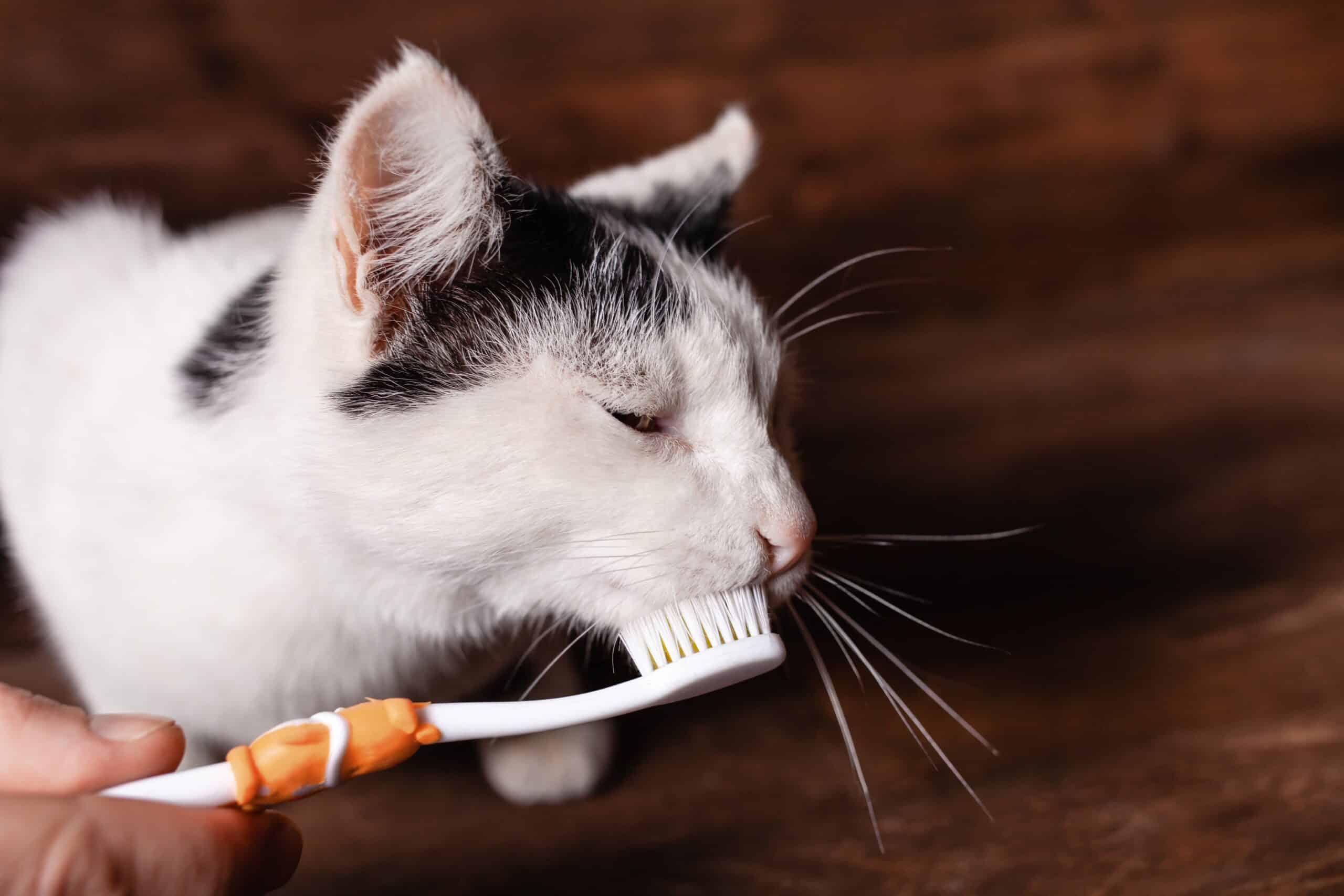
Next, introduce the toothbrush and toothpaste slowly. Let your dog sniff and lick the toothpaste off your finger. Dog toothpastes often come in tasty flavors like chicken or peanut butter, which helps them accept the process.
Repeat this for a few days if needed, until your dog seems comfortable.
Step 3: Lift the Lips and Touch the Teeth
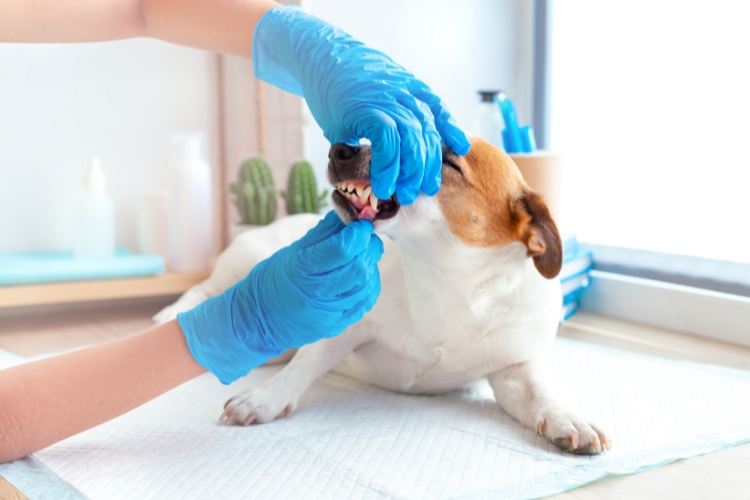
Now, gently lift your dog’s lips to expose the teeth. Use your finger to rub the outer surfaces of the teeth and gums. This helps your dog get used to having their mouth handled.
Praise and reward your dog throughout, reinforcing the idea that tooth brushing is a positive experience.
Step 4: Start Brushing in Small Sections
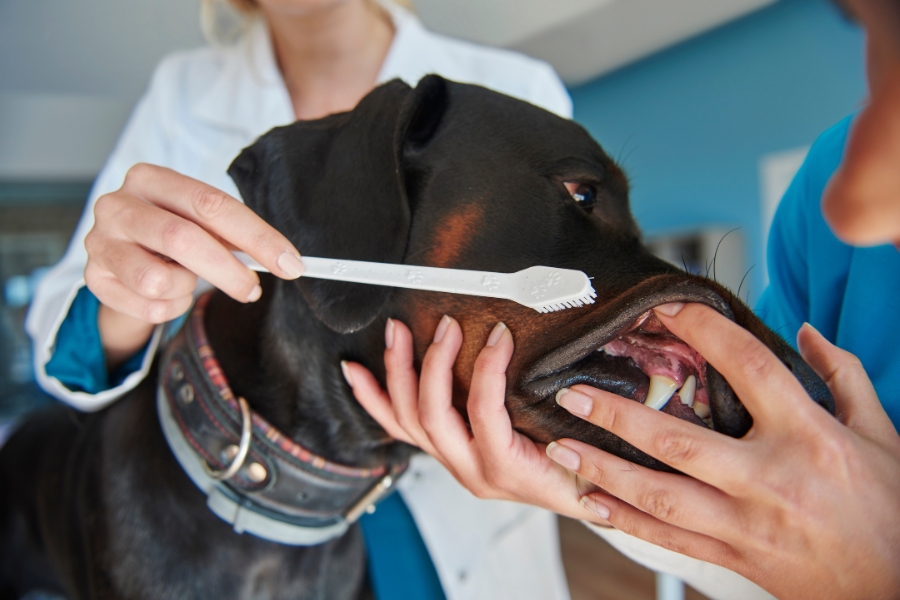
Once your dog is comfortable, apply a small amount of toothpaste to the brush. Begin by brushing the canine teeth, and slowly move toward the back molars. Use small, circular motions, just like you would for your own teeth.
Focus on brushing for about 30 seconds on each side of the mouth. Don’t worry about getting every tooth perfectly the first time. Gradually increase the time over several sessions.
Step 5: Keep Sessions Short and Positive
Especially in the beginning, keep brushing sessions short—no more than a couple of minutes. Offer praise, petting, or a treat afterward. Ending on a positive note helps build trust and makes the next session easier.
Helpful Tips for Success
To make brushing more effective and enjoyable, consider these tips:
- Be consistent: Aim to brush your dog’s teeth at least 2-3 times per week.
- Be gentle: Avoid forcing your dog’s mouth open. Let them cooperate naturally.
- Use treats wisely: Offer a small reward after each session to reinforce good behavior.
- Stay patient: It may take several tries before your dog feels completely comfortable.
Over time, brushing will become a regular part of your routine. Most dogs begin to tolerate it—and some even enjoy it—once they associate it with attention and rewards.
Signs Your Dog Needs Extra Dental Care
While regular brushing helps prevent most dental issues, some problems still require professional attention. Watch for these warning signs:
- Persistent bad breath
- Red, swollen, or bleeding gums
- Difficulty chewing
- Loose or missing teeth
- Pawing at the mouth
If you notice any of these symptoms, consult your veterinarian. In some cases, a pet dental service may be necessary to perform a deep cleaning or address more serious dental conditions.
Brushing your dog’s teeth doesn’t have to be a struggle. With the right tools, a little patience, and a positive attitude, you can turn it into a bonding activity that protects your dog’s health.
Start slow, reward progress, and stay consistent. In return, your dog will enjoy fresher breath, fewer health issues, and a longer, happier life by your side.