Urgent Care & Walk-ins are Welcome!


As pets grow older, their needs begin to change. You may notice your senior dog or cat sleeping more, moving more slowly, or seeming less interested in play. Just like people, aging pets can experience changes in mood and memory. The good news is that simple enrichment activities can make a big difference. Mental stimulation and gentle physical activity help improve brain function, reduce anxiety, and keep senior pets feeling happy and engaged. Let’s explore how games and activities can improve your senior pet’s mood and memory and how you can easily include them in your daily routine.
Why Enrichment Is Important for Senior Pets?
As pets age, they may develop cognitive dysfunction, which is similar to dementia in humans. Signs may include:
- Confusion or staring at the walls
- Changes in sleep patterns
- Increased anxiety
- Forgetting house training
- Less interest in family interaction
Enrichment helps stimulate the brain and slow cognitive decline. It also:
- Boosts mood
- Reduces boredom
- Encourages gentle movement
- Strengthens your bond
For senior pets, staying mentally active is just as important as regular checkups and proper nutrition.
Signs Your Senior Pet Needs More Mental Stimulation
Some pets show clear signs they need more engagement. Watch for:
- Excessive sleeping
- Pacing or restlessness
- Barking or meowing more than usual
- Destructive behavior
- Withdrawal from family activities
If you notice these changes, it may be time to introduce brain games and enrichment activities. If symptoms seem severe or sudden, searching for a trusted veterinarian in Bentonville is always a good step to rule out medical concerns.
Best Enrichment Ideas for Senior Dogs
Older dogs still love to play; they just need activities suited to their energy level.
1. Snuffle Mats and Scent Games
Dogs naturally love using their noses. Hide treats inside a snuffle mat or around the house for your dog to find.
Benefits:
- Stimulates the brain
- Encourages natural behaviors
- Low-impact and gentle
Scent games are especially helpful for dogs with arthritis because they do not require running or jumping.
2. Puzzle Toys
Interactive puzzle toys challenge your dog to solve simple problems to get a reward.
Look for:
- Easy-to-move sliders
- Soft rubber materials
- Adjustable difficulty levels
Start with beginner puzzles and increase difficulty slowly to avoid frustration.
3. Gentle Obedience Refreshers
Senior dogs benefit from reviewing basic commands like “sit,” “stay,” or “touch.”
Short, positive sessions:
- Strengthen memory
- Build confidence
- Reinforce structure
Keep training sessions under 10 minutes and always use positive reinforcement.
4. Slow Walk Adventures
Even older dogs need daily walks, but at a relaxed pace.
Let them:
- Stop and sniff
- Explore new (safe) areas
- Experience new smells
Bentonville has beautiful walking paths that are perfect for slow-paced enrichment outings.
5. Food-Dispensing Toys
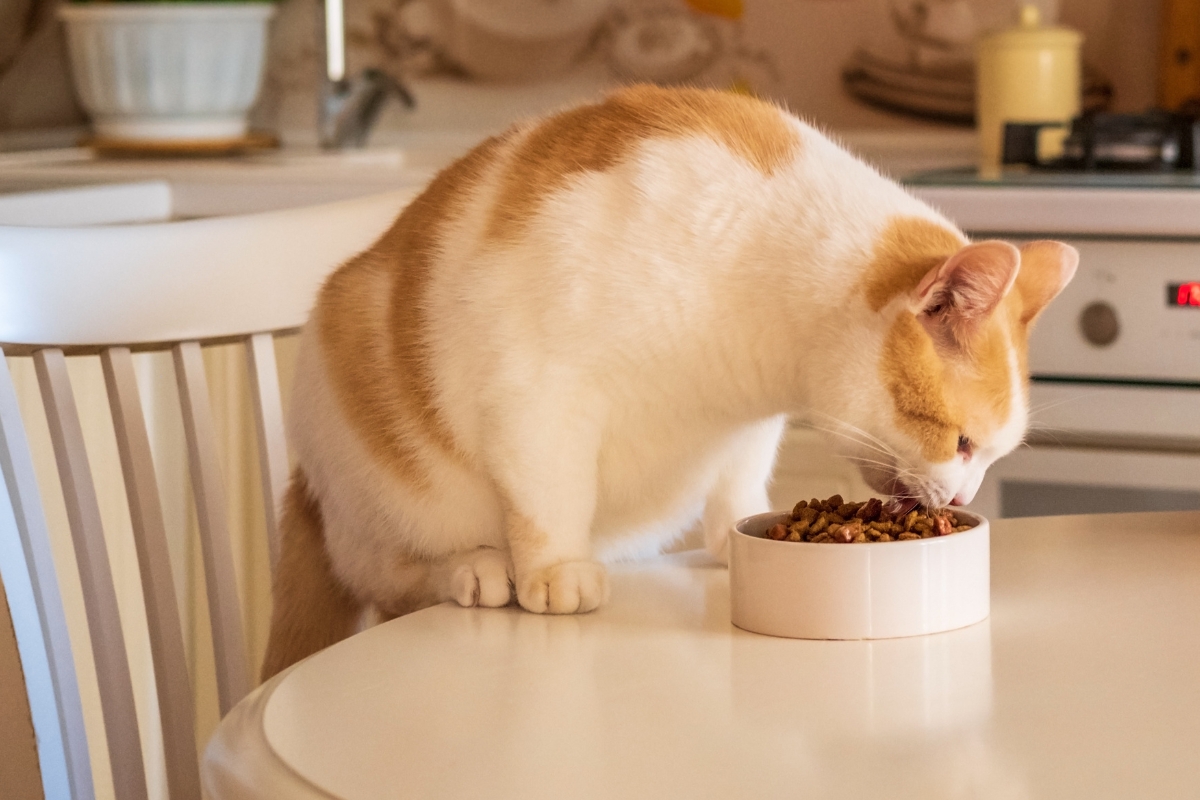
Instead of feeding from a regular bowl, use a slow feeder or treat-dispensing toy.
This:
- Extends mealtime
- Provides mental challenge
- Prevents boredom
Best Enrichment Ideas for Senior Cats
Cats may appear independent, but they also benefit from mental stimulation as they age.
1. Interactive Wand Toys (Low Impact)
Use feather or string toys and move them slowly to match your cat’s mobility.
Avoid:
- High jumps
- Fast movements
Short play sessions help maintain coordination and focus.
2. Treat Puzzles for Cats
Cat puzzle feeders encourage problem-solving.
Choose:
- Wide, easy-access openings
- Non-slip bases
- Simple designs for beginners
These puzzles improve memory and keep your cat engaged.
3. Window Perches
Bird watching is excellent enrichment.
A safe window seat allows your senior cat to:
- Watch outdoor activity
- Stay mentally stimulated
- Enjoy sunshine
This is especially helpful during colder Arkansas months when outdoor access is limited.
4. Hide-and-Seek with Treats
Place small treats around one room and encourage your cat to find them.
This activity:
- Stimulates scent tracking
- Encourages gentle movement
- Provides mental engagement
5. Rotating Toys
Instead of leaving all toys out, rotate them weekly. This keeps toys feeling “new” and exciting.
How Enrichment Improves Mood
Senior pets can experience anxiety and depression, especially with changes like:
- Moving homes
- New pets
- Loss of a companion
- Reduced mobility
Enrichment releases feel-good hormones and reduces stress. Even 15 minutes of daily engagement can:
- Improve sleep
- Reduce vocalization
- Increase appetite
- Improve overall happiness
If your pet seems withdrawn or unusually anxious, it’s a good idea to consult a vet to ensure there are no underlying health issues.
How Enrichment Supports Memory
Mental stimulation keeps neural pathways active. When pets solve puzzles or practice commands, their brains form new connections.
Benefits include:
- Slower cognitive decline
- Improved recall
- Better awareness
- Increased responsiveness
Just like humans, pets that “use it” are less likely to “lose it.”
Safety Tips for Senior Pet Enrichment
While enrichment is important, safety comes first.
✔ Keep sessions short (10–15 minutes)
✔ Avoid high-impact activities
✔ Monitor for signs of fatigue
✔ Use soft flooring if possible
✔ Choose age-appropriate toys
If your senior pet has arthritis, heart disease, or vision problems, consult a trusted animal hospital in Bentonville, AR, and get necessary senior pet care.
When to See a Vet for Cognitive Changes
Some behavioral changes may signal medical issues rather than normal aging.
Schedule an appointment if you notice:
- Sudden confusion
- Loss of appetite
- Significant weight loss
- Persistent anxiety
- Disorientation
At Dogwood Trails Animal Hospital in Bentonville, AR, we provide senior wellness exams that include cognitive assessments, pain management plans, and personalized care recommendations. If you’ve been searching for a compassionate “vet near me”, our team is here to help your senior pet stay comfortable and engaged. Schedule your senior pet’s wellness visit today, and let’s create a plan to keep their golden years bright and joyful.
FAQs
1. How much playtime does a senior pet need daily?
Ans: Most senior pets benefit from 10–20 minutes of mental stimulation daily. Short sessions spread throughout the day are ideal.
2. Can enrichment really improve memory in older pets?
Ans: Yes, mental exercises help keep the brain active and may slow cognitive decline in aging pets.
3. What if my senior dog has arthritis?
Ans: Choose low-impact activities like scent games or puzzle toys. Avoid jumping or running; consult a vet near you for a mobility assessment.
4. Are puzzle toys safe for senior cats?
Ans: Yes, as long as they are easy to use and do not require excessive force. Start simple and monitor your cat’s comfort level.
5. How do I know if my pet has cognitive dysfunction?
Ans: Signs include confusion, disrupted sleep, house soiling, and personality changes. A veterinary exam is the best way to confirm.
6. When should I schedule a senior wellness exam?
Ans: Senior pets should visit a veterinary hospital near you at least twice a year. Regular checkups help detect age-related issues early.