Urgent Care & Walk-ins are Welcome!

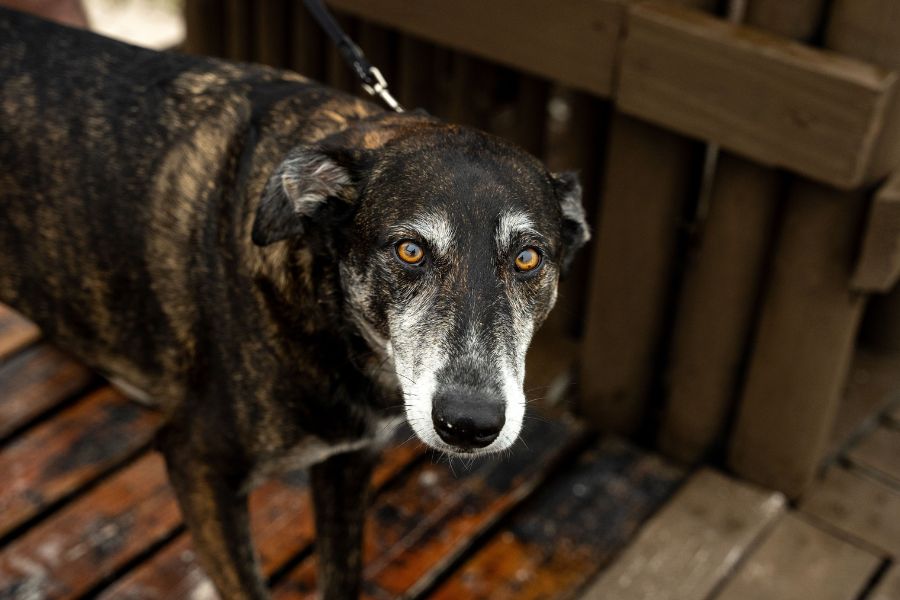
As dogs grow older, their physical and emotional needs change. Just like humans, they may experience reduced mobility, cognitive decline, or health concerns that affect their daily routines. Thankfully, with just a few mindful adjustments, you can help your furry companion stay comfortable and content in their golden years.
Here are seven easy ways to keep your senior dog happy and healthy, all using a proactive, caring approach that supports their aging journey.
1. Adjust Their Diet for Senior Nutrition
To begin with, focus on their food. Older dogs require different nutrition than younger ones. Choose a high-quality senior dog food that’s lower in calories but rich in nutrients like fiber, antioxidants, and omega-3 fatty acids. These nutrients help with joint function, heart health, and digestion.
Additionally, be sure to feed measured portions to avoid unwanted weight gain, which can lead to arthritis and other health issues.
2. Encourage Gentle Daily Exercise
While your dog may no longer chase after balls like they used to, light exercise remains essential. Daily walks, slow games of fetch, or gentle swimming are great ways to maintain muscle tone and prevent stiffness.
Even short periods of movement promote better circulation and a happier mood. Be sure to watch for signs of fatigue and adjust the intensity to suit your pet’s ability.
3. Schedule Regular Veterinary Visits
Consistent checkups are more important than ever in your dog’s senior years. Aim for vet visits at least twice a year. These appointments can detect early signs of illness—such as arthritis, kidney problems, or dental disease—before they become serious.
Moreover, your veterinarian may recommend supplements, bloodwork, or diagnostic imaging to stay ahead of age-related conditions. Preventive care can help your dog feel better for longer.
4. Provide a Comfortable Resting Area
As your dog ages, their joints may become sore or stiff. That’s why providing a soft, supportive bed is so helpful. Orthopedic dog beds offer added comfort, especially for pets with arthritis or hip dysplasia.
Additionally, place their bed in a quiet, draft-free corner of your home. Keep water bowls close, and consider adding ramps if stairs are a challenge.
5. Keep Their Mind Active
Mental stimulation is just as important as physical activity. Older dogs benefit greatly from games and puzzles that keep their minds engaged. Try treat-dispensing toys, scent tracking games, or even basic trick training tailored to their pace.
Not only does this fight off boredom and cognitive decline, but it also strengthens your bond with your pet.
6. Practice Good Dental Hygiene
Next, don’t overlook dental care. Tooth decay and gum disease are common in senior dogs and can lead to more serious health problems. Brush your dog’s teeth several times a week using pet-safe toothpaste, or offer dental chews to help reduce plaque.
Regular dental cleanings from your vet can also prevent pain, infection, and even heart issues.
7. Stick to a Consistent Routine
Finally, senior dogs thrive on routine. Set consistent feeding, walking, and bedtime schedules. Knowing what to expect helps your pet feel safe and secure.
If you need to change routines—such as a new walking time or household addition—introduce the change slowly. Predictability is comforting and reduces anxiety in older dogs.
Your dog has given you years of love, loyalty, and companionship. Now, it’s your turn to return the favor by making their senior years as comfortable and joyful as possible. By adjusting their diet, maintaining regular vet visits, and adding mental and physical enrichment to their routine, you’ll help them feel their best each day.
Remember, providing excellent care doesn’t have to be complicated. If you’re looking for local resources, grooming tips, or wellness services, many pet owners find peace of mind with senior pet care in Bentonville, AR.
With these seven simple tips, your senior dog can continue to enjoy their golden years with happiness, dignity, and love.
Frequently Asked Questions (FAQs)
Q1. What age is considered “senior” for a dog?
Ans: A dog is typically considered senior around 7 years old, but this can vary by breed and size. Larger breeds age faster and may be considered seniors as early as 5–6 years old, while smaller dogs may not reach senior status until 8–10 years of age.
Q2. How often should I take my senior dog to the vet?
Ans: Senior dogs should see the veterinarian at least twice a year for wellness checkups. These visits can catch early signs of illness, update vaccinations, and adjust medications or supplements as needed.
Q3. What are the signs my senior dog is in pain?
Ans: Common signs include limping, reluctance to move, excessive panting, whining, restlessness, or changes in appetite and behavior. If you notice any of these, schedule a veterinary evaluation to rule out arthritis or other conditions.
Q4. Can senior dogs still learn new tricks?
Ans: Yes! While they may learn more slowly, senior dogs can absolutely learn new tricks or enjoy mental stimulation games. Keep training sessions short and positive, and tailor activities to their physical abilities.
Q5. Should I change my dog’s food as they get older?
Ans: Yes. Senior dogs often need food that is lower in calories but richer in nutrients like fiber, omega-3 fatty acids, and antioxidants. Always consult your vet before making a diet change, especially if your dog has underlying health issues.
Q6. How can I make my home more comfortable for an aging dog?
Ans: Simple adjustments like adding orthopedic bedding, using ramps or stairs, placing non-slip mats, and keeping food and water easily accessible can help reduce stress and physical strain on your senior dog.