Urgent Care & Walk-ins are Welcome!

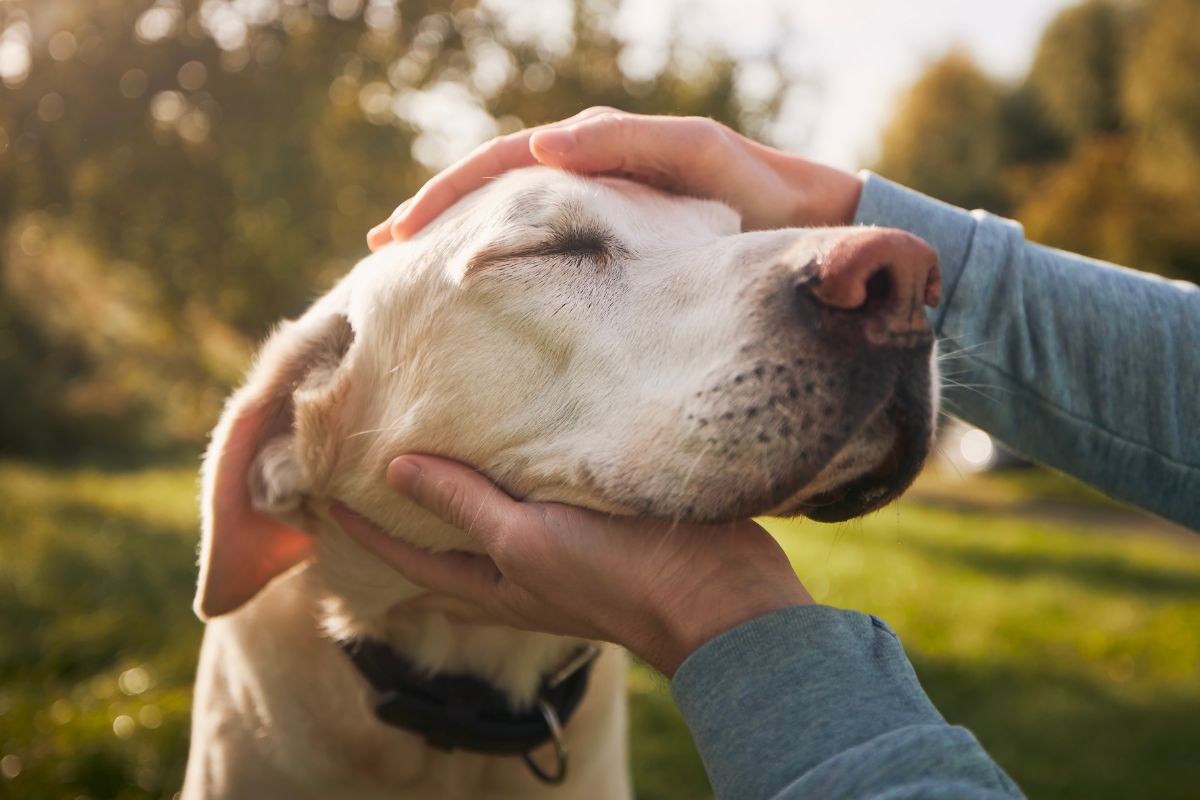
Just like us, our beloved pets experience changes as they age. What was once a playful kitten or a boisterous pup might now move a little slower, sleep a little longer, and have different needs. Providing excellent care for your senior pet is crucial for ensuring their comfort, health, and happiness in their golden years. It’s a time to cherish the bond you’ve built and adapt to their evolving needs with love and understanding.
Recognizing the Signs of Aging
The age at which a pet is considered “senior” varies depending on the species and breed. Generally, small dogs and cats are considered senior around 7-10 years old, while larger dog breeds may reach senior status earlier. Recognizing the subtle signs of aging is the first step in providing appropriate care. These signs can include:
- Slower Pace and Reduced Energy: They might tire more easily during walks or playtime.
- Stiffness or Difficulty Moving: You might notice them hesitating before jumping or experiencing some lameness.
- Changes in Sleep Patterns: They may sleep more during the day and be restless at night.
- Weight Changes: This could be weight gain due to decreased activity or weight loss due to underlying health issues.
- Dental Problems: Bad breath, tartar buildup, and difficulty chewing can become more prevalent.
- Changes in Sensory Perception: Hearing and vision may decline.
- Cognitive Decline: Some senior pets may experience changes in memory, learning, and awareness, sometimes called Cognitive Dysfunction Syndrome (CDS), which is an important consideration in senior pet care.
Prioritizing Regular Veterinary Care
More frequent veterinary check-ups become essential for senior pets. Your veterinarian can perform thorough physical examinations and run diagnostic tests to detect age-related conditions early. These regular visits allow for proactive management of potential health issues such as arthritis, kidney disease, heart disease, diabetes, and cancer. Discussing pain management options, nutritional needs, and any behavioral changes with your vet is also crucial.
Adapting Their Environment
Making adjustments to your pet’s environment can significantly improve their comfort and safety:
- Provide Comfortable Bedding: Offer soft, supportive beds in easily accessible locations to cushion their joints.
- Ensure Easy Access to Food and Water: Place food and water bowls in convenient spots, and consider raised bowls if your pet has difficulty bending down.
- Modify Exercise Routine: Opt for shorter, more frequent walks and gentler playtime to accommodate their reduced stamina and potential joint stiffness. Avoid strenuous activities.
- Improve Traction: Consider using rugs or carpet runners on slippery floors to prevent falls.
- Provide Assistance: If your pet has difficulty getting in and out of cars or navigating stairs, consider using ramps or providing gentle support.
- Maintain Routine: Senior pets often thrive on routine, so try to keep their feeding, walking, and sleeping schedules consistent.
Nutritional Considerations
Senior pets often have different nutritional needs compared to younger animals. Some may require diets that are lower in calories to prevent weight gain due to decreased activity, while others may need easily digestible food or diets formulated for specific health conditions like kidney disease. Consult your veterinarian to determine the best dietary plan for your senior pet. Ensure they have access to fresh water at all times.
Showing Extra Love and Patience
Above all, senior pets need extra love, patience, and understanding. They may be more sensitive to changes in their routine or environment. Provide them with plenty of gentle affection, spend quality time with them, and be patient with any age-related changes in behavior. Their golden years are a precious time, and providing them with compassionate care will ensure