Urgent Care & Walk-ins are Welcome!


As cat owners, we all want our furry companions to stay healthy and comfortable. However, a common dental issue often creeps in unnoticed: gingivitis. This gum inflammation may seem minor at first, but can be a painful and progressive condition if left untreated. One frequently asked question is whether gingivitis in cats can go away on its own. In most cases, the answer is no—it usually requires medical and at-home intervention to resolve.
Knowing what causes gingivitis, why it doesn’t resolve by itself, and how to treat it is essential for safeguarding your cat’s dental and overall health.
What Is Cat Gingivitis?
Gingivitis is the earliest phase of periodontal disease. It begins when food debris, saliva, and bacteria combine to form a sticky layer known as plaque on the teeth. Without proper cleaning, this plaque hardens into tartar, which clings to the teeth and attracts more bacteria.
When tartar builds up near the gum line, it triggers irritation and inflammation of the gums. Common signs include:
- Swollen or reddened gums: Instead of being light pink, the gums appear inflamed and red, particularly near the teeth.
- Bleeding gums: You might spot blood on chew toys, during feeding, or when gently touching the mouth.
- Foul breath: One of the earliest warning signs, bad breath is caused by bacterial growth in the mouth.
Why Gingivitis Won’t Go Away on Its Own
Unlike a minor skin injury that heals naturally, gingivitis in cats tends to worsen over time if not addressed. Here’s why:
- Persistent Plaque and Tartar: These substances are attached to the teeth and won’t vanish without manual removal. Your cat cannot maintain its oral hygiene, so plaque continues to accumulate.
- Ongoing Bacterial Growth: The bacteria responsible for gum inflammation remain active and multiply rapidly unless removed.
- Risk of Progression: Untreated gingivitis typically advances to periodontitis, a more serious and irreversible gum disease. This advanced stage can cause:
-Gum recession
-Tooth mobility or loss
-Severe oral pain
-Infections or abscesses
Spread of bacteria to vital organs, potentially harming the heart, kidneys, or liver
How to Treat and Manage Gingivitis in Cats
Since gingivitis rarely improves without intervention, prompt action is necessary. Treatment usually involves both professional veterinary care and ongoing at-home dental maintenance.
Veterinary Dental Care
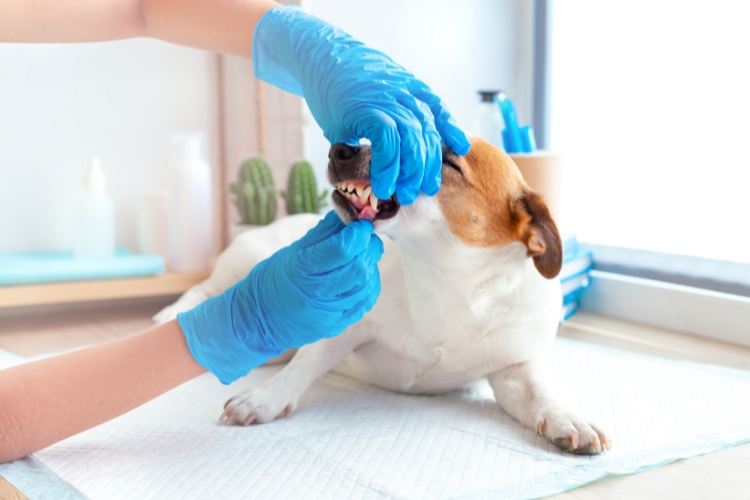
A thorough dental cleaning performed by a veterinarian is essential. This procedure is typically done under anesthesia and may include:
- Scaling: Removal of plaque and tartar from all surfaces, including below the gum line
- Polishing: Smoothing the tooth surface to discourage future plaque buildup
- Full Mouth Examination: Including X-rays to detect issues not visible above the gum line
- Tooth Extractions (if needed): In cases where damage from periodontitis is severe
At-Home Oral Hygiene
After professional treatment, home care becomes crucial to maintain oral health and prevent recurrence:
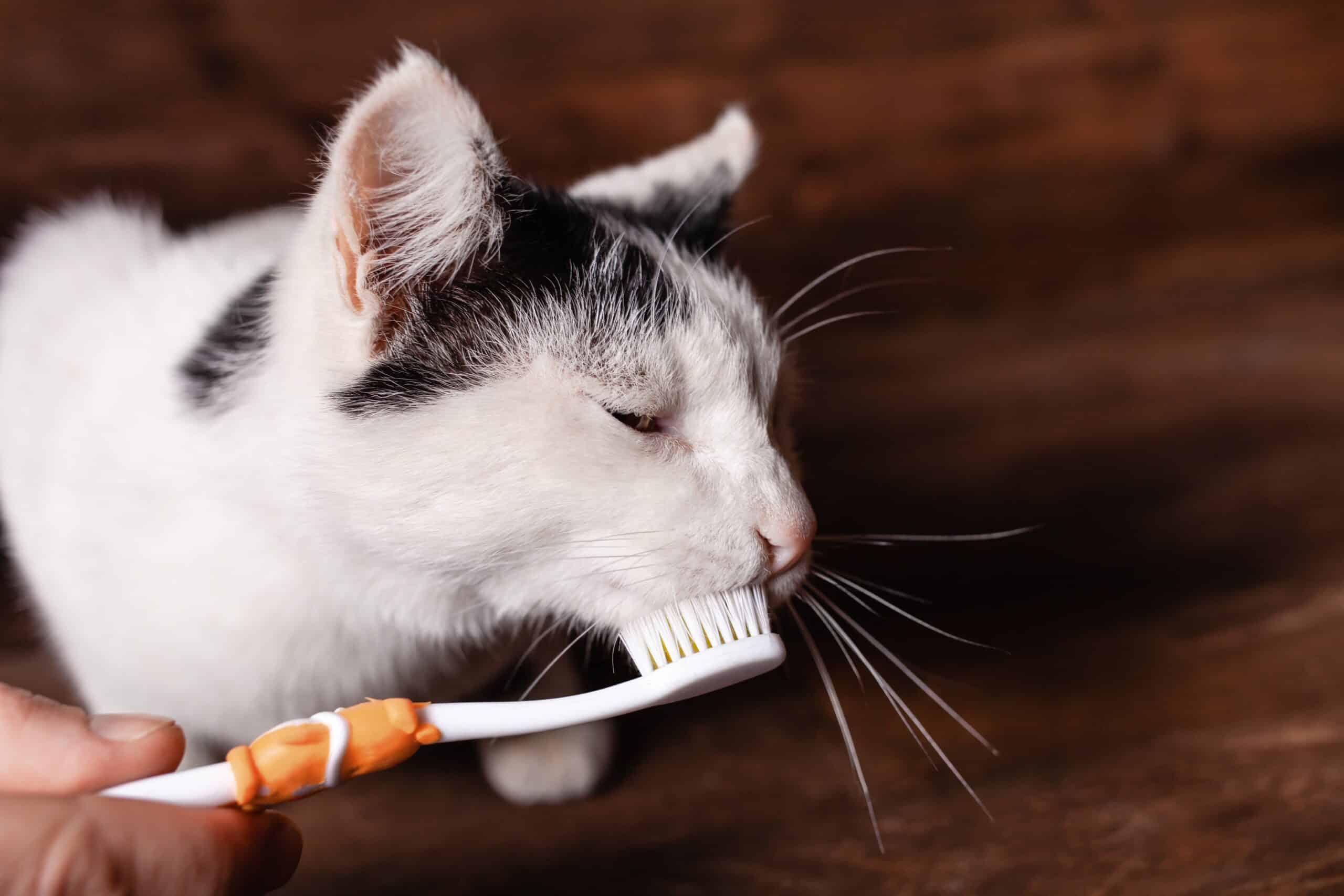
- Brushing Your Cat’s Teeth: Daily brushing with a pet-safe toothbrush and toothpaste helps prevent new plaque from forming. Never use human toothpaste—it’s harmful to cats.
- Expert Dental Diets: Some cat foods are designed to reduce plaque through mechanical cleaning as your cat chews. Look for VOHC-approved options.
- Dental Treats and Additives: Approved dental chews and water additives can offer additional support, although they shouldn’t replace brushing.
- Routine Monitoring: Regularly check your cat’s mouth for redness, odor, or other changes.
Cat gingivitis is more than just inflamed gums—it’s a signal of underlying dental disease that won’t improve on its own. Ignoring the early symptoms can lead to significant pain, tooth loss, and even problems in other organs.
Taking your cat to regular dental care services and practicing consistent oral hygiene at home are the best ways to prevent serious issues down the road. Prioritizing dental care ensures your cat remains happy, healthy, and pain-free throughout their life.