Urgent Care & Walk-ins are Welcome!

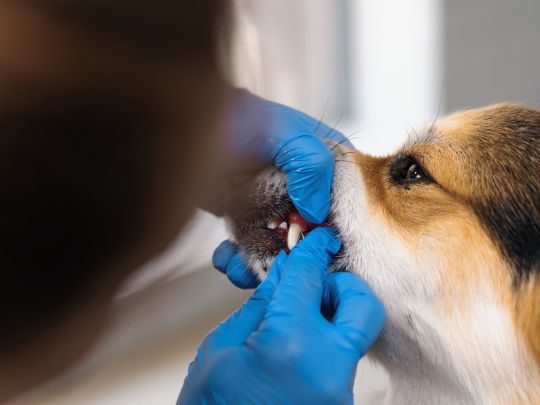
Dental health plays an important role in your pet’s overall well-being. Plaque and tartar can accumulate on teeth over time, contributing to gum inflammation, discomfort, and other oral health concerns. Although many pet parents understand the importance of dental care, the thought of anesthesia can make scheduling a cleaning feel stressful. Questions about safety, monitoring, and recovery are completely understandable.
At Dogwood Trails Animal Hospital in Bentonville, pet parents can discuss their companions’ dental health and understand what happens during a professional dental procedure. Knowing what to expect before, during, and after anesthetic pet dental cleanings can make the experience less intimidating and help you make informed decisions about your pet’s care.
Why Do Pets Need Anesthetic Dental Cleanings?
A pet’s visible teeth are only part of the picture. Dental plaque can accumulate along the gumline and develop into hardened tartar. Bacteria may also collect beneath the gums, where ordinary brushing and surface cleaning cannot reach effectively.
A professional dental cleaning under anesthesia allows the veterinary team to examine the entire mouth, including areas below the gumline. It also makes thorough scaling and polishing possible while keeping the pet still and comfortable.
During a dental procedure, the veterinary team can assess gum health, identify damaged teeth, and look for signs of periodontal disease or other oral concerns. If a tooth is severely affected, extraction may be recommended to prevent ongoing discomfort and protect surrounding tissues.
What Happens Before the Dental Procedure?
Preparation begins with a veterinary examination. Your veterinarian will review your pet’s medical history, current medications, previous health concerns, and any signs of oral discomfort. This information helps the team determine an appropriate anesthetic plan.
Pre-anesthetic blood screening
Blood testing is an important part of assessing whether a pet is ready for anesthesia. Depending on the animal’s age and medical history, recommended tests may evaluate organ function, blood cell levels, and other health indicators.
These results help the veterinarian identify potential concerns that could influence medication choices or anesthetic management. Additional testing may be recommended if the initial examination or blood results suggest a need for further evaluation.
Reviewing medications and health history
Pet parents should tell the veterinary team about all medications, supplements, and relevant health changes. Conditions involving the heart, kidneys, liver, or respiratory system may affect anesthetic planning.
Fasting instructions
Your veterinary team will provide instructions about when to stop offering food before the procedure. These instructions help reduce the risk of complications associated with anesthesia. Water guidelines may vary, so follow the specific directions provided by the hospital rather than making assumptions.
What Happens During Anesthetic Pet Dental Cleanings?
Once your pet is ready, the veterinary team begins the anesthetic process according to the planned protocol. Anesthesia allows the pet to remain unconscious and still throughout the procedure, making a thorough oral examination and cleaning possible.
Anesthesia and airway protection
After anesthesia is administered, a breathing tube is generally placed to help maintain a secure airway and support the delivery of oxygen and anesthetic gas when used. This also helps protect the airway from water and debris generated during dental cleaning.
Continuous vital sign monitoring
Monitoring is a major part of anesthetic safety. Veterinary professionals track important measurements throughout the procedure, which may include:
- Heart rate and heart rhythm.
- Breathing rate and respiratory function.
- Blood oxygen levels.
- Blood pressure.
- Body temperature.
- Anesthetic depth and response.
A trained team member monitors these measurements and watches for changes that may require adjustments. The exact equipment and monitoring protocols can vary, but the goal is to support your pet’s stability throughout anesthesia.
Scaling and polishing
The veterinarian or trained dental team removes plaque and tartar from the tooth surfaces, including areas beneath the gumline. Dental instruments are used to clean areas that are difficult to reach during everyday home care.
After scaling, the teeth are polished to smooth the surfaces. This helps reduce the roughness that can encourage plaque to accumulate. The veterinary team also examines the teeth and gums for signs of disease, damage, or infection.
Dental X-rays when needed
Dental X-rays can reveal problems that are not visible during a surface examination. Changes around tooth roots, bone loss, and other hidden concerns may be detected through dental imaging. Your veterinarian can explain whether dental X-rays are recommended for your pet.
Pain management for extractions
If a tooth is severely damaged or affected by advanced dental disease, extraction may be necessary. The veterinarian will assess the tooth and explain the recommendation.
Pain management is an important part of this process. Depending on the procedure and your pet’s needs, the veterinary team may use local anesthetic nerve blocks, appropriate pain-relief medication, and a recovery plan to support comfort. Pet parents should follow all medication instructions carefully after the procedure.
Why Anesthesia-Free Dental Cleaning Is Not the Same
Anesthesia-free dental cleaning may sound less intimidating because it avoids general anesthesia. However, it has important limitations.
Without anesthesia, a pet must remain awake and relatively still while someone works inside the mouth. This makes it difficult to examine every tooth, clean thoroughly beneath the gumline, or obtain dental X-rays. Cleaning may focus mainly on visible tooth surfaces, leaving bacteria and tartar in areas where periodontal disease often develops.
It can also be difficult to assess painful or diseased teeth properly when a pet cannot be examined comfortably. Scraping visible tartar does not address problems affecting tooth roots, supporting tissues, or the bone around the teeth.
Anesthetic dental cleaning allows the veterinary team to perform a more complete examination and treatment. Although anesthesia has risks, appropriate screening, individualized planning, and continuous monitoring help manage those risks. Your veterinarian can discuss the benefits and potential concerns for your individual pet.
What Should You Expect After the Procedure?
Once dental treatment is complete, your pet is moved to a recovery area. Veterinary staff continue monitoring vital signs as the anesthetic effects gradually wear off.
Some pets may be sleepy, less active, or slightly unsteady for a period after returning home. Mild changes in appetite can also occur. Your veterinary team will explain what is expected and when your pet should return to normal activity.
If extractions were performed, recovery instructions may include:
- Offering soft food for the recommended period.
- Avoiding hard chews, bones, and rough toys.
- Giving prescribed pain medication as directed.
- Preventing your pet from disturbing the surgical area.
- Following instructions about activity and follow-up visits.
Contact your veterinarian if your pet experiences persistent vomiting, significant bleeding, worsening swelling, difficulty breathing, severe discomfort, or an inability to eat or drink as expected. Do not give human pain medication unless your veterinarian specifically instructs you to do so.
Supporting Your Pet’s Dental Health at Home
Professional pet dental care is only one part of maintaining a healthy mouth. Home care helps slow plaque accumulation between veterinary cleanings.
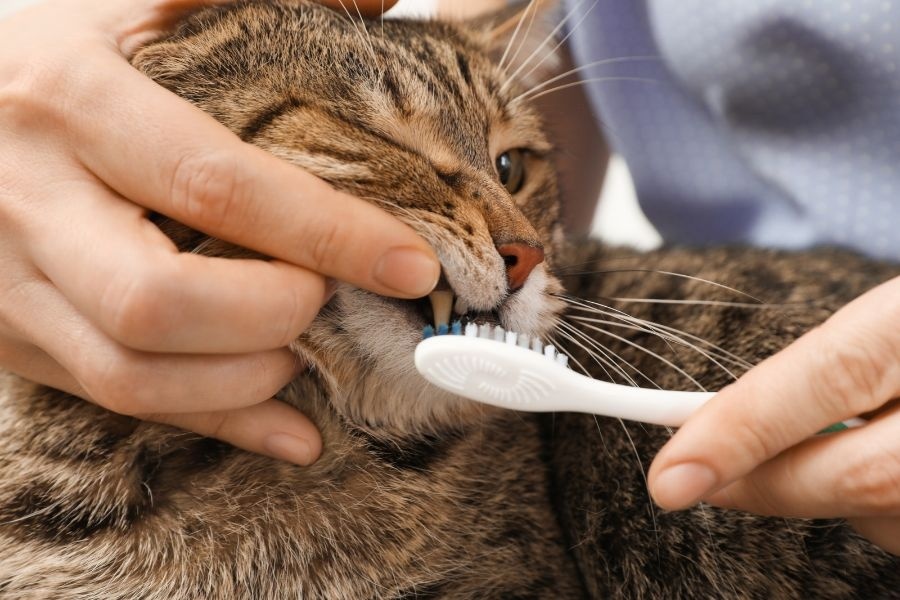
Regular toothbrushing with a pet-specific toothbrush and toothpaste is a useful way to manage plaque. Start gradually, allowing your pet to become comfortable with having their mouth handled. Never use human toothpaste, as some ingredients may be harmful to animals.
Dental products designed for pets may also support oral hygiene when selected appropriately. Your veterinarian can recommend suitable options based on your pet’s age, chewing habits, and dental condition.
Watch for signs such as persistent bad breath, red gums, drooling, difficulty chewing, dropping food, or changes in eating habits. Pets may hide oral discomfort, so even subtle changes deserve attention. A pet dentist or general veterinary team can evaluate these symptoms and recommend appropriate treatment.
Schedule a Dental Consultation at Dogwood Trails Animal Hospital
Concern about anesthesia should never leave you feeling that you have to postpone conversations about your pet’s dental health. Understanding the screening process, monitoring protocols, cleaning steps, and recovery plan can help you approach dental treatment with greater confidence.
If your dog or cat may need professional pet dental care, contact Dogwood Trails Animal Hospital in Bentonville to schedule a dental evaluation. The veterinary team can assess your companion’s oral health, answer questions about anesthesia, and explain the recommended treatment plan. Take the next step toward a healthier, more comfortable smile for your pet.
Frequently Asked Questions
Q1. Is anesthesia necessary for professional pet dental cleanings?
Ans: Anesthesia allows the veterinary team to examine the entire mouth, clean beneath the gumline, take dental X-rays when needed, and treat affected teeth safely and thoroughly. Your veterinarian will assess your pet’s individual health before recommending anesthesia.
Q2. What blood tests are performed before pet dental anesthesia?
Ans: Pre-anesthetic blood screening may evaluate blood cell counts and organ function, including indicators related to the liver and kidneys. The specific tests depend on your pet’s age, medical history, and examination findings.
Q3. How are pets monitored during an anesthetic dental procedure?
Ans: Veterinary staff monitor measurements such as heart rate, breathing, blood oxygen, blood pressure, and body temperature. Monitoring helps the team recognize changes and make appropriate adjustments during the procedure.
Q4. Why is anesthesia-free dental cleaning not enough?
Ans: Anesthesia-free cleaning generally focuses on visible tooth surfaces. It does not allow a complete examination or reliable cleaning beneath the gumline, where periodontal disease can develop. It also limits the ability to take dental X-rays and treat affected teeth.
Q5. How long does it take a pet to recover from dental anesthesia?
Ans: Many pets become more alert within several hours, although sleepiness and mild changes in activity may continue for a while. Recovery varies depending on the pet, anesthetic plan, and whether extractions were performed. Follow your veterinary team’s instructions.