Urgent Care & Walk-ins are Welcome!
Just like humans, pets need proper dental care to maintain their overall health. While brushing your pet’s teeth might not always be easy, it’s crucial to incorporate regular pet dental care into their routine. Pet dental cleanings, in particular, play a significant role in preventing various health issues that can impact your pet’s quality of life. From improving breath to preventing serious medical conditions, regular dental cleanings can make a world of difference in your pet’s overall health.
In this blog, we will discuss how pet dental cleanings benefit your pet’s well-being and why it’s important to maintain regular dental visits at Dogwood Trails Animal Hospital in Bentonville, AR.
The Importance of Pet Dental Cleanings
Regular pet dental care, especially professional cleanings, offers numerous health benefits. Without proper attention, plaque and tartar can accumulate on your pet’s teeth, leading to several oral health issues. Here’s how routine dental cleanings can help:
- Prevents Tooth Decay and Gum Disease
Plaque and tartar build-up on your pet’s teeth can cause gum disease, tooth decay, and even tooth loss. These dental issues are painful and can lead to other complications, like difficulty eating and discomfort. Regular dental cleanings prevent plaque from turning into tartar and protect your pet from the painful effects of dental disease.
- Reduces the Risk of Systemic Diseases
Poor dental health doesn’t just affect your pet’s mouth – it can impact their entire body. Studies show that bacteria from infected gums can enter the bloodstream, affecting vital organs like the heart, kidneys, and liver. By scheduling regular cleanings, you can help protect your pet from these serious health risks.
- Improves Fresh Breath
Bad breath in pets is often a sign of dental issues, such as gum disease or tooth decay. A professional cleaning removes tartar and plaque, significantly improving your pet’s breath. Not only will this make cuddles more pleasant, but it also helps ensure your pet’s dental health is in good shape.
Benefits of Pet Dental Cleanings Beyond the Mouth
While a cleaner mouth is a noticeable benefit, regular dental cleanings offer several other advantages for your pet’s overall health. Let’s take a closer look at some of these hidden benefits:
- Better Digestion
When a pet has dental issues, they may have difficulty chewing their food properly. This can lead to poor digestion and decreased nutrient absorption. By maintaining healthy teeth and gums, your pet can chew food more effectively, leading to better digestion and overall health.
- Increased Lifespan
There’s a direct connection between good dental health and longevity. Pets with regular dental cleanings are less likely to suffer from chronic diseases, such as heart disease or kidney issues, which are linked to poor oral hygiene. By taking care of your pet’s teeth, you can help them live a longer, healthier life.
- Improved Behavior and Comfort
Pets with dental pain may exhibit changes in behavior. They may become irritable, aggressive, or reluctant to play or eat. By ensuring their teeth and gums are healthy, you are improving their comfort, which in turn can help maintain a positive, playful, and affectionate personality.
How Pet Dental Cleanings Work
When you bring your pet to Dogwood Trails Animal Hospital for a dental cleaning, our veterinary team will follow a thorough process to ensure your pet’s teeth and gums are cleaned properly.
- Initial Exam
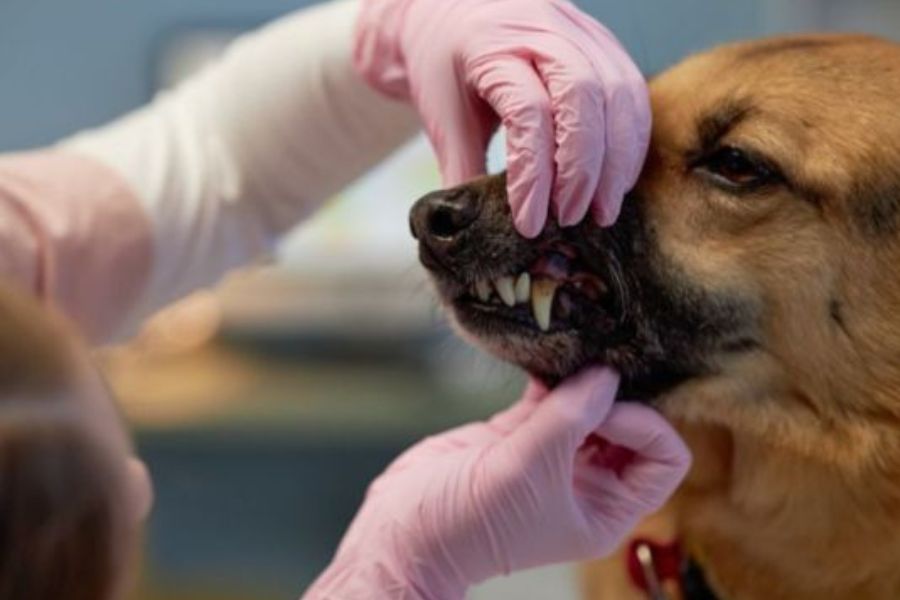
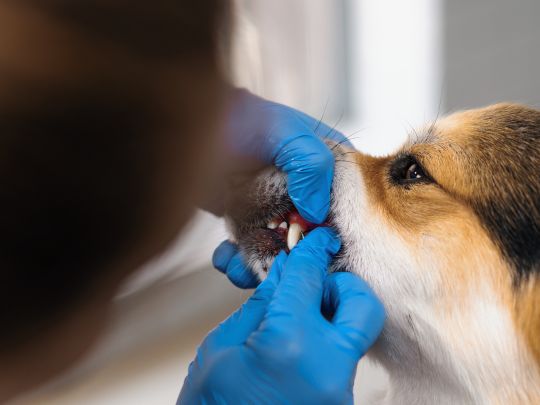
Before the cleaning begins, our team will conduct a thorough examination of your pet’s mouth. This allows us to assess the condition of your pet’s teeth, gums, and overall oral health.
- Anesthesia
Since dental cleanings can be invasive, we usually recommend using anesthesia for your pet. This helps ensure they are comfortable and prevents them from moving during the procedure.
- Cleaning and Polishing
Once your pet is comfortably anesthetized, our team will begin the cleaning process. We will remove plaque and tartar from their teeth using tools. Afterward, the teeth will be polished to remove any remaining bacteria and leave a smooth surface.
- Post-Cleaning Care
After the cleaning, we will provide you with aftercare instructions to help maintain your pet’s oral health at home. Regular brushing and dental chews can help prolong the results of the cleaning and prevent future build-up.
How Often Should Pet Dental Cleanings Be Done?
The frequency of dental cleanings varies depending on your pet’s breed, age, and overall health. In general, it’s recommended to have your pet’s teeth professionally cleaned at least once a year. However, some pets may need more frequent cleanings, especially if they’re prone to dental issues or are older.
During your visit to Dogwood Trails Animal Hospital, our veterinarians will provide a personalized recommendation for your pet’s dental care routine.
Regular pet dental care is an essential part of maintaining your pet’s overall health and well-being. By scheduling regular dental cleanings, you’re not only protecting their teeth and gums but also preventing serious health issues that can impact their longevity and comfort. Don’t wait until dental problems arise – make pet dental care a priority today.
At Dogwood Trails Animal Hospital, we’re dedicated to providing your pet with the best dental care possible. Book an appointment with us today to ensure your furry friend’s smile stays bright and healthy for years to come!
FAQs
Q1. Why is pet dental care important?
Ans. Pet dental care is crucial to prevent gum disease, tooth decay, and other serious health issues. It helps maintain overall health by preventing bacteria from spreading to vital organs.
Q2. How often should I get my pet’s teeth cleaned?
Ans. It’s recommended to have your pet’s teeth cleaned at least once a year, but some pets may need more frequent visits based on their oral health.
Q3. Can I clean my pet’s teeth at home?
Ans. Yes, regular brushing at home can help maintain dental health. However, professional cleanings are necessary for deep cleaning and to prevent tartar build-up.
Q4. Does my pet need anesthesia for a dental cleaning?
Ans. Yes, anesthesia ensures your pet is comfortable during the cleaning process and allows our team to thoroughly clean their teeth.
Q5. What are the signs of dental issues in pets?
Ans. Common signs include bad breath, difficulty eating, red or swollen gums, and excessive drooling. If you notice these, it’s important to schedule a dental exam.
Q6. How can I prevent dental problems in my pet?
Ans. Regular brushing, dental chews, and professional cleanings are effective ways to maintain your pet’s oral health and prevent dental issues.