Urgent Care & Walk-ins are Welcome!
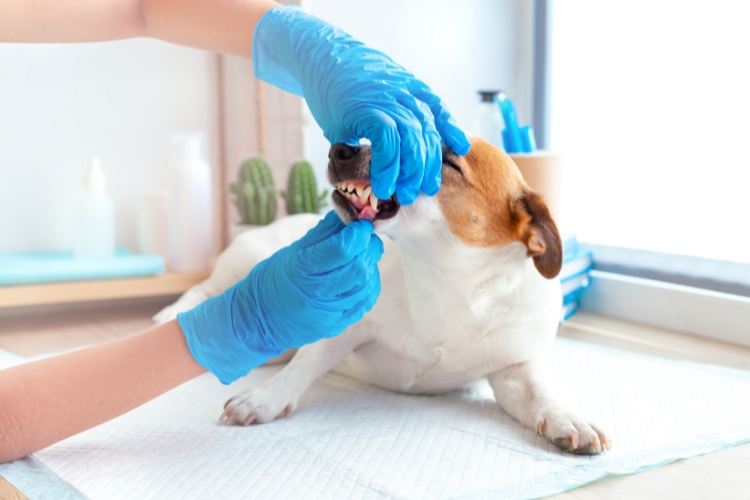
Healthy teeth and gums play a big role in a pet’s overall well-being, yet dental disease often develops quietly without obvious signs at first. Many pet owners focus on food, exercise, and vaccines, while oral care often receives less attention until problems arise. Dental disease can lead to pain, infections, and even affect organs like the heart and kidneys if left untreated. Knowing how to spot early warning signs and risk factors can help prevent long-term issues.
This blog is especially for pet owners of Bentonville, Arkansas, who want to better understand their pet’s oral health and take simple steps to prevent dental disease before it becomes serious. Local climate, lifestyle, and diet choices can all influence dental health, making awareness even more important for pet families in the area.
Why Dental Health Matters More Than You Think
Dental disease is one of the most common conditions seen in pets, especially in adult dogs and cats. Plaque begins forming on teeth within hours after eating, and when it is not removed, it hardens into tartar. Over time, bacteria build up under the gumline, leading to inflammation, infection, and tooth loss.
Poor dental health does not stay limited to the mouth. Bacteria from infected gums can enter the bloodstream and travel to other parts of the body. Organs such as the liver, kidneys, and heart may be affected, reducing a pet’s quality of life over time. Regular dental care helps reduce these risks and keeps pets more comfortable.
Early Signs That Should Not Be Ignored
Dental disease often starts quietly, but small signs can signal bigger issues developing beneath the surface. Paying attention to changes in behavior or appearance can help catch problems early.
- Bad breath that does not go away: A mild odor can be normal, but strong or persistent bad breath often signals bacterial buildup or infection inside the mouth.
- Red or swollen gums around teeth: Healthy gums should look pink and firm. Redness or swelling usually points to inflammation and early gum disease.
- Yellow or brown buildup on tooth surfaces: Tartar is a hardened layer on teeth that can spread quickly without proper cleaning or care.
- Difficulty chewing or dropping food: Pain in the mouth may cause pets to avoid hard food or chew only on one side, which can indicate dental discomfort.
- Excessive drooling or pawing at the mouth: Unusual drooling or repeated pawing often means irritation or pain inside the mouth that needs attention.
Recognizing these signs early can make a big difference in preventing advanced dental problems.
Hidden Risk Factors That Increase Dental Problems
Some pets are naturally more likely to develop dental disease due to certain risk factors. Understanding these can help pet owners take preventive steps sooner rather than later.
Breed and Size Can Influence Risk
Small dog breeds often have crowded teeth, which makes it easier for plaque to build up in tight spaces. Breeds with short snouts may also have alignment issues that trap food particles between teeth.
Age Plays a Major Role
Older pets are more likely to have dental issues simply due to years of wear and plaque accumulation. Regular checks become even more important as pets age.
Diet and Feeding Habits Matter
Soft or sticky foods tend to cling to teeth and promote plaque buildup. Crunchy kibble or dental treats can help reduce buildup when combined with proper oral care routines.
Lack of Regular Oral Care
Pets that do not receive consistent brushing or dental cleanings face a higher risk of gum disease and tooth decay. Even basic at-home care can significantly reduce the chances of severe dental issues.
How to Check Your Pet’s Teeth at Home
Regular at-home checks can help identify problems before they become serious. A quick weekly inspection can reveal changes in your pet’s oral health.
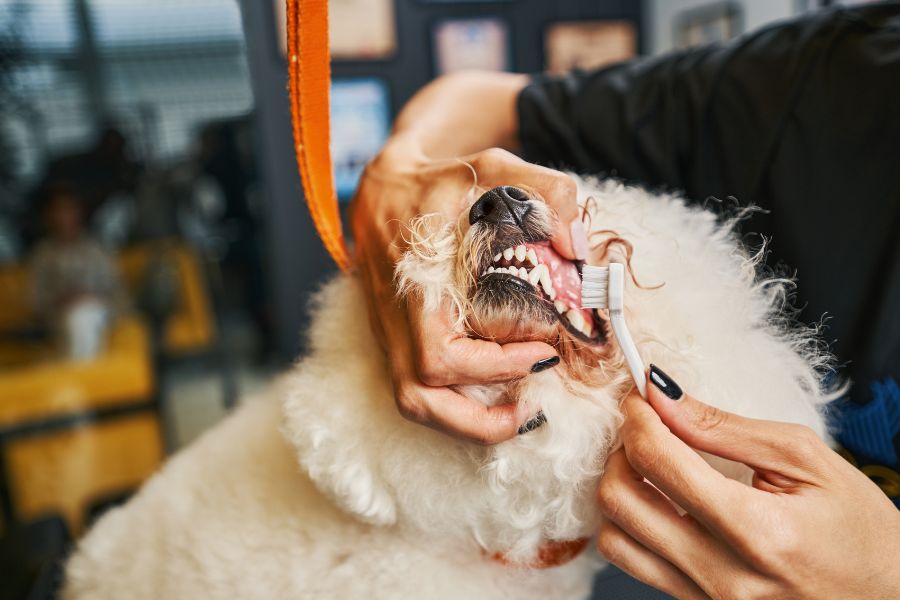
Start by gently lifting the lips to view the teeth and gums. Look for discoloration, swelling, or buildup along the gumline. Notice any unusual smells coming from the mouth, as strong odors can indicate infection.
Observe how your pet reacts during the check. Signs of discomfort, pulling away, or whining may suggest pain that needs attention. Keeping these checks calm and positive can help pets become more comfortable over time.
Preventive Habits That Make a Big Difference
Simple daily and weekly habits can help protect pets from dental disease and improve overall health. Consistency plays a key role in keeping teeth clean and gums healthy.
Brushing Your Pet’s Teeth Regularly
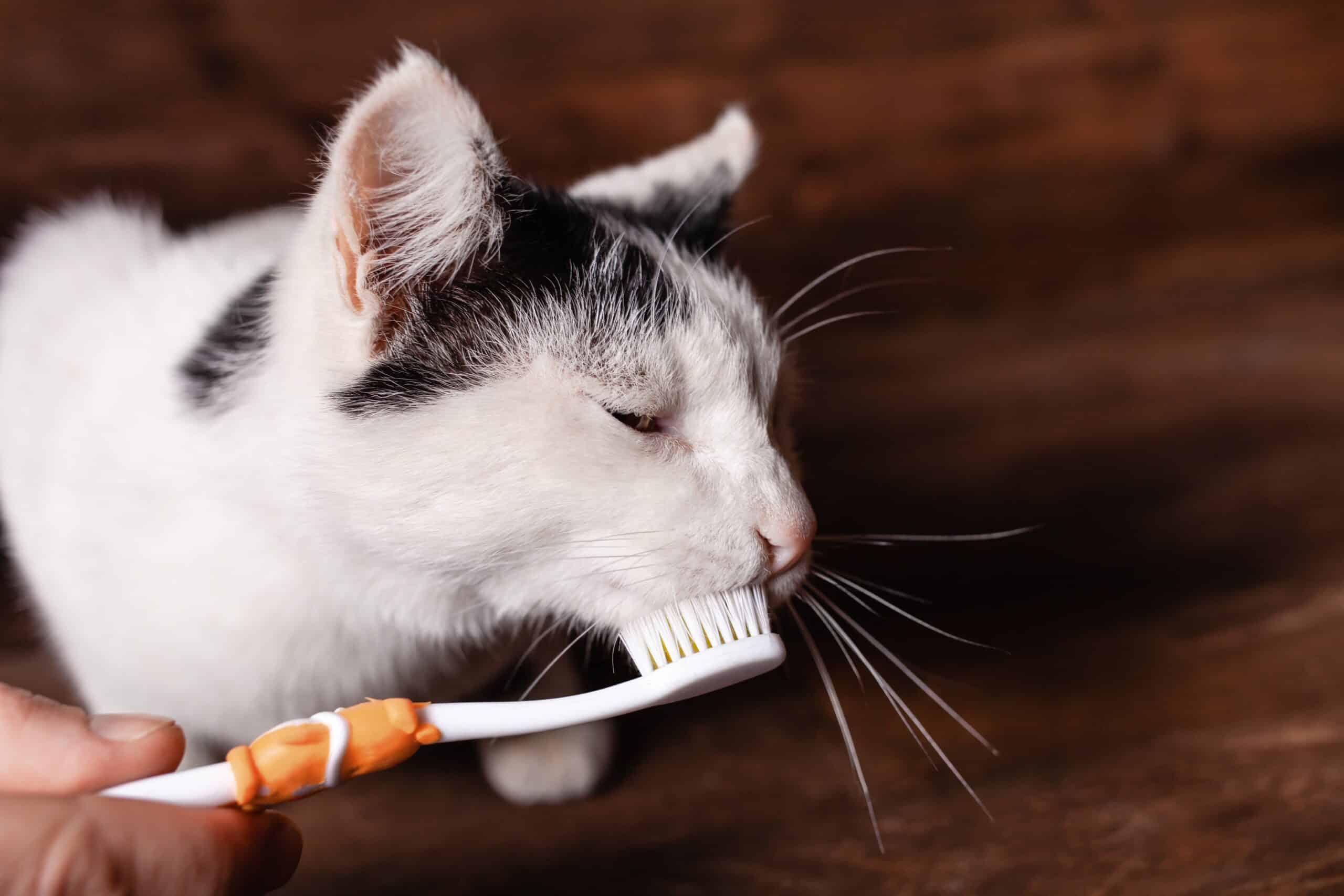
Using pet-safe toothpaste and a soft brush helps remove plaque before it hardens into tartar. Even brushing a few times a week can have a positive impact.
Providing Dental-Friendly Treats and Toys
Chewing on safe toys or treats designed for dental care can help reduce buildup and keep teeth cleaner between brushings.
Scheduling Routine Dental Checkups
Regular visits with a vet allow early detection of dental issues and help maintain oral health through cleanings and exams.
Maintaining a Balanced and Appropriate Diet
Feeding high-quality food that supports oral health can reduce plaque formation and improve overall wellness.
When Dental Disease Becomes Serious
Untreated dental disease can progress into more severe conditions that affect a pet’s health beyond the mouth. Advanced stages often involve infection, loose teeth, and significant discomfort.
Periodontal disease occurs when bacteria damage the tissues and bones that support teeth. Pets may lose teeth or develop abscesses, which can be painful and lead to further complications. In severe cases, infections can spread to other parts of the body and cause long-term damage.
Seeking help from a veterinarian at the first sign of trouble can prevent these complications and reduce the need for more invasive treatments.
How Veterinary Dental Care Helps
Professional dental care plays an important role in maintaining a pet’s oral health. A vet can perform a thorough examination, identify hidden issues, and recommend the best course of action.
Dental cleanings remove plaque and tartar that cannot be eliminated with brushing alone. During the process, a veterinarian also checks for signs of disease below the gumline, where most serious problems begin.
In some cases, treatments such as tooth extractions or medications may be necessary to restore oral health. Regular dental visits with a veterinary team help ensure that issues are caught early and managed effectively.
Common Myths About Pet Dental Health
Many misconceptions about dental care can lead to neglect or delayed treatment. Clearing up these myths can help pet owners make better decisions.
Chewing Alone Is Enough
While chewing can help reduce plaque, it does not replace brushing or professional cleanings. Plaque can still build up in hard-to-reach areas.
Bad Breath Is Normal
Persistent bad breath often signals an underlying problem rather than being a normal condition. Ignoring it can allow the disease to progress.
Dental Care Is Only Needed for Older Pets
Dental issues can begin at a young age, especially without proper care. Early prevention is always more effective than treatment later.
Simple Steps to Start Improving Oral Health Today
Building a dental care routine does not need to feel overwhelming. Small changes can lead to lasting benefits for pets.
- Start with short brushing sessions: Gradually introduce brushing to help pets adjust and remain calm during the process.
- Use products designed for pets only: Human toothpaste can be harmful, so always choose pet-safe options recommended by a vet.
- Keep a consistent care schedule: Regular habits yield better results than occasional efforts and help keep teeth cleaner.
- Watch for any changes in behavior or eating habits: Early detection of problems allows for quicker treatment and better outcomes.
Keep Your Pet’s Teeth Strong and Healthy
Dental health is a key part of a pet’s overall wellness and should never be overlooked. Ignoring early signs of dental disease can lead to pain, infection, and more serious health issues over time. Dogwood Trails Animal Hospital provides dental care services designed to help pets maintain clean teeth and healthy gums while reducing the risk of long-term complications.
If you’re in Bentonville and are concerned about your pet’s oral health or looking for dental care near you, book an appointment at Dogwood Trails Animal Hospital. A dedicated veterinary team can examine your pet, identify any concerns, and guide you toward the right treatment plan to keep your pet comfortable and healthy.
Frequently Asked Questions
1. How often should pets have dental checkups?
Most pets benefit from a dental checkup at least once a year. Some pets with higher risk factors may need more frequent visits, as recommended by a vet.
2. Can dental disease affect my pet’s overall health?
Yes, bacteria from dental infections can enter the bloodstream and impact organs such as the heart, liver, and kidneys over time.
3. What is the best way to prevent dental disease in pets?
Regular brushing, proper diet, dental treats, and routine veterinary visits are the most effective ways to prevent dental disease.
4. Are certain pets more prone to dental problems?
Small breeds, older pets, and those without regular dental care are more likely to develop dental issues.
5. When should I seek help for my pet’s dental issues?
Any signs such as bad breath, swollen gums, or difficulty eating should be checked by a veterinarian as soon as possible.