Urgent Care & Walk-ins are Welcome!
Deciding on surgery for a pet can feel overwhelming for any pet owner. Many conditions can be treated with medication or lifestyle changes, while others may require surgical care to prevent further complications. Knowing how decisions are made can help reduce uncertainty and allow pet owners to feel more confident about the next steps in their pet’s care journey.
This guide is especially for pet owners of Bentonville, Arkansas, who want to understand how the veterinarian decides whether veterinary surgery is the right option. Clear information can make it easier to recognize warning signs, ask the right questions, and feel prepared when facing important health decisions for a beloved pet.
Understanding the Goal Behind Surgical Decisions
Surgery is never the first option unless a pet’s condition requires immediate action. The veterinarian carefully evaluates the situation before recommending any surgical procedure. The goal is always to improve the pet’s quality of life while minimizing risk.
Some conditions may improve with medication, rest, or dietary changes. In other cases, delaying surgery could allow a condition to worsen. Each decision is based on the severity of the issue and its impact on the pet’s daily comfort and function. A thoughtful approach helps ensure that surgery is only recommended when it offers the best outcome.
Key Signs That May Lead to Surgical Evaluation
Certain symptoms can signal a deeper issue, which may require further testing or surgical consideration. Pet owners who notice these changes should seek care promptly.
- Persistent pain or discomfort: Ongoing pain that does not improve with standard treatment may indicate a condition requiring surgical correction to restore comfort.
- Difficulty moving or walking normally: Limping, stiffness, or reluctance to move can point to joint or bone problems that may not heal without surgical care.
- Visible lumps or abnormal growths: Masses on or under the skin often need evaluation to determine whether removal is necessary for health and safety.
- Digestive issues that do not resolve: Repeated vomiting, diarrhea, or lack of appetite can signal internal problems that may need surgical attention.
- Injuries that do not heal properly: Wounds or fractures that fail to improve may require surgical repair to prevent long-term damage.
Recognizing these signs early allows the vet to assess the situation before complications become more serious.
The Step-by-Step Evaluation Process
Before making any surgical recommendation, the veterinarian follows a structured evaluation process to gather accurate information about the pet’s condition.
Physical Examination Comes First
A detailed physical exam provides important clues about the pet’s overall health. The vet checks for pain, swelling, and abnormal changes in the body. Observing behavior and movement also helps identify areas of concern.
Diagnostic Testing Provides Clarity
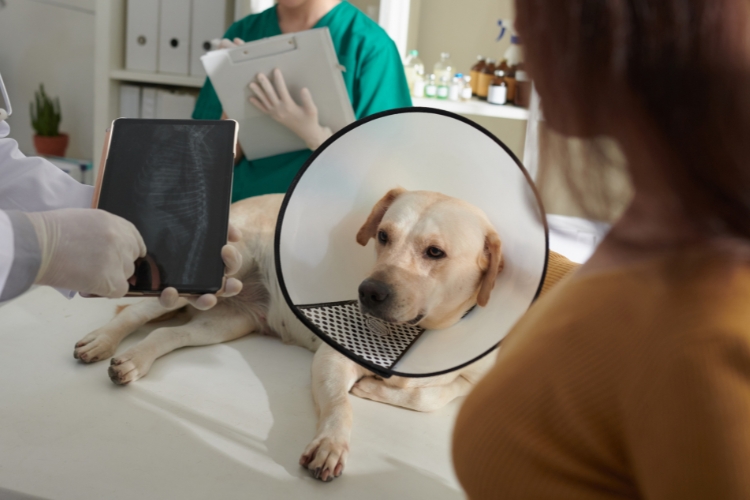
Tests such as blood work, X-rays, or ultrasound imaging offer a closer look at internal structures. These tests help confirm a diagnosis and determine whether surgery is necessary or if another treatment option may be effective.
Monitoring and Reassessment
Some conditions require time and observation before making a final decision. The veterinarian may suggest monitoring symptoms while first trying non-surgical treatments. Follow-up visits help track progress and guide the next steps.
Factors That Influence the Final Decision
Surgical decisions are not based on one factor alone. Several important considerations are reviewed before determining the best course of action.
Age and Overall Health of the Pet
Younger pets may recover faster from surgery, while older pets may need additional evaluation to ensure they can safely undergo the procedure. Pre-existing conditions also play a role in decision-making.
Severity of the Condition
Mild conditions may respond well to non-surgical treatments, while severe or life-threatening issues often require immediate surgical care. The level of urgency helps guide the recommendation.
Expected Outcome After Surgery
The veterinarian considers how much the pet’s condition will improve after surgery. If the expected outcome significantly enhances quality of life, surgery may be recommended.
Risks Versus Benefits
Every surgical procedure carries some level of risk. The decision involves weighing those risks against the potential benefits to ensure the best possible outcome for the pet.
Common Conditions That Often Require Surgery
Certain health issues are more likely to require surgical treatment, especially when they do not respond to other forms of care.
- Orthopedic injuries such as fractures or torn ligaments: Broken bones or ligament damage often need surgical repair to restore proper movement and prevent long-term complications.
- Tumors or abnormal growths: Surgical removal is often recommended to prevent the spread of harmful cells and to improve comfort.
- Internal blockages or foreign objects: Pets sometimes swallow objects that can block the digestive tract, requiring immediate surgery to remove the obstruction.
- Severe dental disease affecting the gums and teeth: Advanced dental issues may require surgical intervention to remove damaged teeth and reduce infection.
- Emergency conditions like internal bleeding: Life-threatening situations often need immediate surgical care to stabilize the pet and address the underlying issue.
When Surgery is Not the First Option
Not every condition requires surgery right away. In many cases, non-surgical treatments can effectively manage symptoms and improve a pet’s condition.
Medication can help reduce inflammation, relieve pain, or treat infections. Changes in diet may improve digestive or metabolic conditions. Physical therapy and controlled exercise can also help with mobility issues.
The veterinarian often recommends trying these approaches first when it is safe to do so. Surgery becomes a consideration only if these methods do not provide the desired results or if the condition worsens.
Preparing for a Possible Procedure
Once surgery is recommended, preparation is an important step in ensuring a safe, smooth process. Pet owners play a key role in preparing their pets.
- Follow pre-surgery instructions carefully: Guidelines such as fasting before the procedure help reduce risks during anesthesia and surgery.
- Ask questions about the procedure: Understanding what will happen during and after surgery can help reduce anxiety and improve preparation.
- Prepare a comfortable recovery space at home: A quiet, clean area that helps pets rest and heal more effectively after surgery.
- Arrange time for post-surgery care: Pets often need extra attention during recovery, including medication and limited activity.
What Happens After Surgery
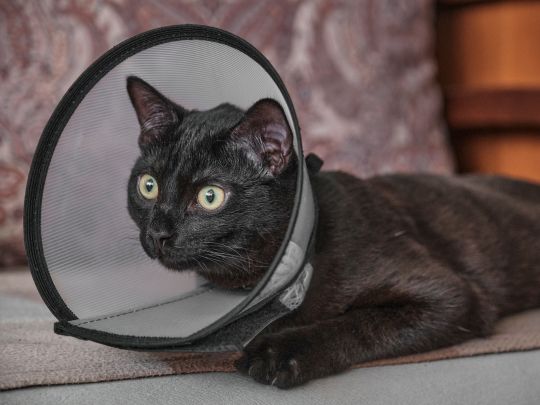
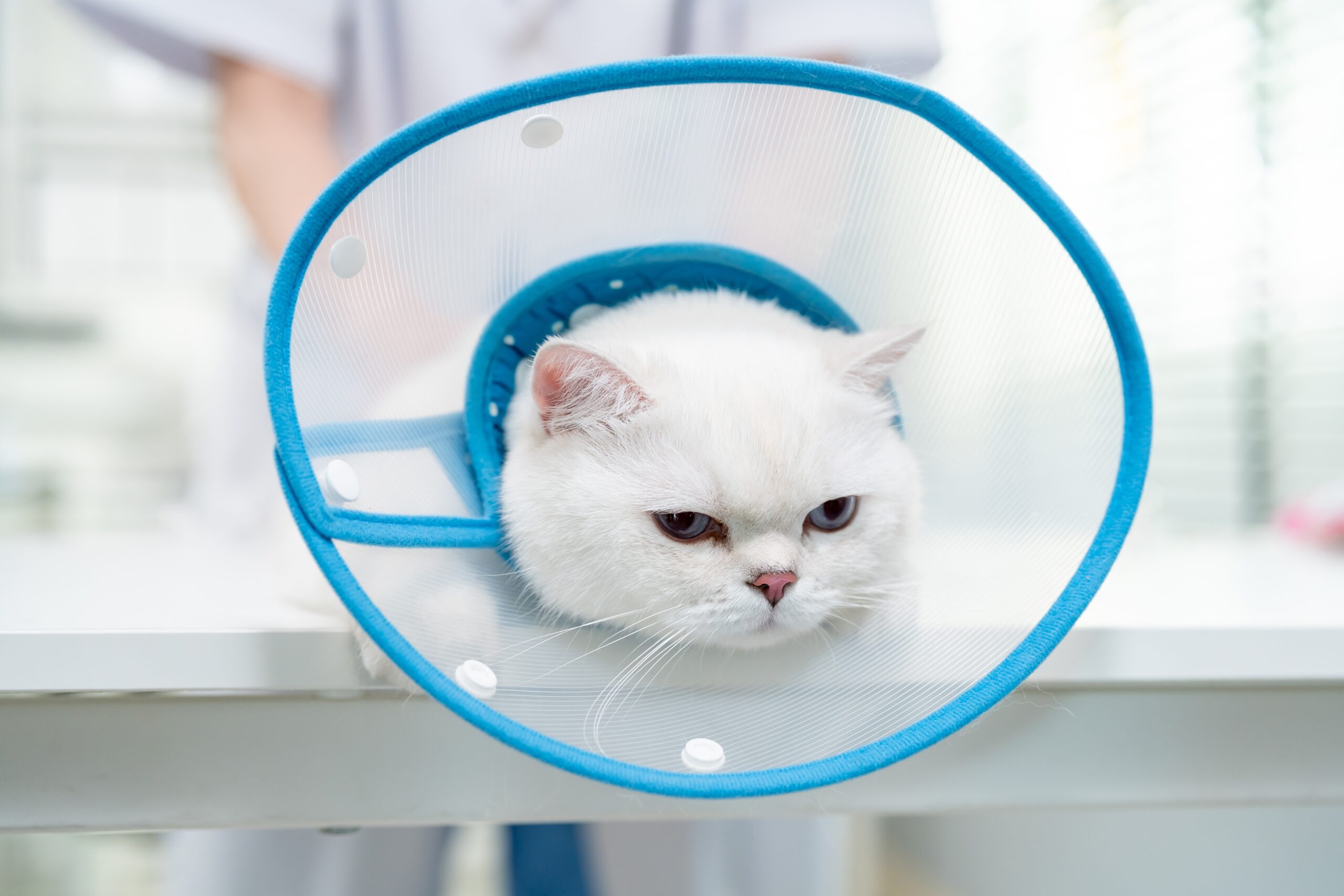
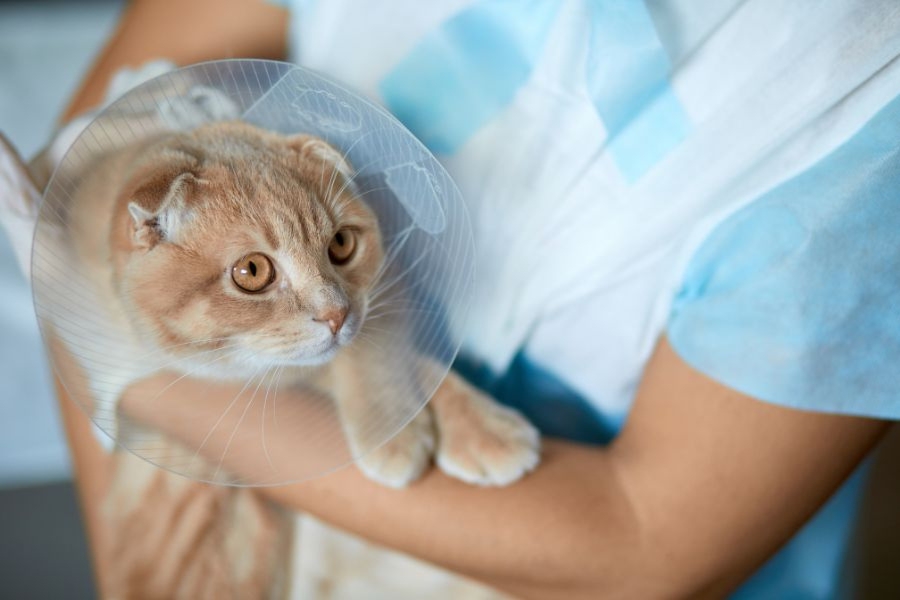
Recovery is just as important as the procedure itself. The veterinarian provides detailed instructions to ensure proper healing and reduce the risk of complications.
Pets may need medications to manage pain and prevent infection. Activity may be limited to allow the body to heal properly. Follow-up visits help track recovery and ensure everything is progressing as expected.
Observing any changes during recovery is important. Signs such as swelling, loss of appetite, or unusual behavior should be reported to the vet promptly to address any concerns.
Building Trust in the Decision Process
Understanding how surgical decisions are made helps pet owners feel more confident and involved in their pet’s care. Clear communication with the veterinarian allows for better decision-making and ensures that all concerns are addressed.
Pet owners should feel comfortable asking questions and discussing options. A collaborative approach leads to better outcomes and helps ensure that every decision is made with the pet’s best interest in mind.
Making the Right Choice for Your Pet’s Health
Deciding on surgery can feel like a big step, but it is often a necessary one to protect a pet’s health and comfort. Dogwood Trails Animal Hospital provides surgical services to address a wide range of conditions, with a focus on safety and effective care.
If you are in Bentonville, Arkansas, and looking for surgical care for your pet, book an appointment at Dogwood Trails Animal Hospital today. Their veterinary team can evaluate your pet’s condition, explain your options, and guide you through every step of the process to ensure your pet receives the care they need.
Frequently Asked Questions
1. How do vets decide if surgery is necessary?
The veterinarian evaluates symptoms, performs exams, and reviews diagnostic test results before recommending surgery based on the pet’s condition and overall health.
2. Are there alternatives to surgery for pets?
Yes, many conditions can be managed with medication, diet changes, or therapy before surgery is considered.
3. Is surgery safe for older pets?
Older pets can safely undergo surgery with proper evaluation and preparation, although additional precautions may be needed.
4. How long does it take for a pet to recover from surgery?
Recovery time varies depending on the type of procedure and the pet’s overall health, but most pets begin to improve within a few days to a few weeks.
5. What should I do if my pet shows symptoms after surgery?
Contact the veterinarian immediately if you notice unusual behavior, swelling, or changes in appetite during recovery.