Urgent Care & Walk-ins are Welcome!

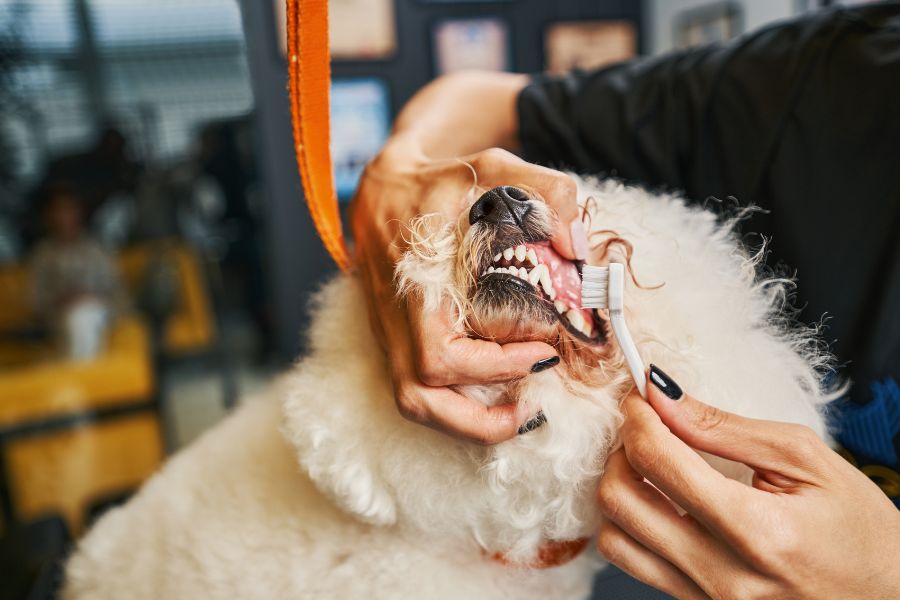
If your dog runs away at the sight of a toothbrush, you’re not alone. Many pet owners struggle with pet dental care, especially when their dog resists brushing. In this guide, you’ll learn why dogs dislike teeth brushing, how to make the process easier, and effective alternatives to keep your dog’s teeth clean and healthy.
Why Pet Dental Care Is So Important for Dogs
Good pet dental care is not just about fresh breath. It plays a major role in your dog’s overall health. Poor oral hygiene can lead to plaque buildup, gum disease, and even infections that affect the heart, liver, and kidneys.
Here’s why dental care matters:
- Prevents periodontal disease, one of the most common conditions in dogs
- Reduces bad breath caused by bacteria
- Helps your dog eat comfortably without pain
- Avoids costly veterinary procedures later
According to veterinary studies, over 80 percent of dogs show signs of dental disease by age three. That’s why starting early and staying consistent is key.
Why Your Dog Hates Brushing Teeth
Understanding your dog’s behavior can help you improve your pet’s dental care routine.
Common Reasons Dogs Resist Toothbrushing
- Unfamiliar sensation: The feeling of a toothbrush can be strange or uncomfortable
- Negative past experiences: Rough handling or force can create fear
- Strong flavors: Some dogs dislike certain toothpaste flavors
- Lack of training: Dogs need gradual exposure to new routines
Dogs are creatures of habit. If brushing is introduced too quickly or forcefully, they may associate it with stress.
How to Get Your Dog Comfortable with Toothbrushing
Training your dog to accept brushing takes patience, but it is very doable.
Step-by-Step Training Approach
- Start slow
Let your dog sniff the toothbrush and toothpaste first. Reward curiosity with treats. - Use your finger first
Gently rub your dog’s gums with your finger before introducing a brush. - Choose the right toothpaste
Always use dog-specific toothpaste with flavors like chicken or peanut butter. - Keep sessions short
Begin with 30 seconds and gradually increase the time. - Reward positive behavior
Treats, praise, and affection make a big difference.
Consistency is more important than perfection. Even a few seconds daily helps build tolerance.
Best Tools for Effective Pet Dental Care
Using the right tools can make brushing easier for both you and your dog.
Recommended Dental Care Products
- Dog toothbrushes: Soft bristles and angled heads for easy reach
- Finger brushes: Great for beginners and sensitive dogs
- Enzymatic toothpaste: Helps break down plaque naturally
- Dental wipes: A good alternative for dogs who resist brushes
Some dogs respond better to different tools, so don’t hesitate to try a few options.
Alternatives If Your Dog Refuses Brushing
If brushing isn’t working yet, there are still ways to maintain pet dental care.
Effective Alternatives to Toothbrushing
- Dental chews
Specially designed chews help reduce plaque and tartar buildup. - Water additives
These are mixed into your dog’s drinking water to fight bacteria. - Dental diets
Certain dog foods are formulated to promote oral health. - Professional cleanings
Regular vet cleanings remove stubborn tartar and prevent disease.
While these options help, they should not fully replace brushing. Think of them as support tools.
Signs Your Dog May Have Dental Problems
Even with a good routine, issues can still develop. Watch for these warning signs:
- Persistent bad breath
- Red or bleeding gums
- Difficulty eating or chewing
- Loose or missing teeth
- Excessive drooling
If you notice any of these, schedule a veterinary visit as soon as possible. Early treatment prevents serious complications.
How Often Should You Brush Your Dog’s Teeth?
For ideal pet dental care, daily brushing is best. However, even brushing 3 to 4 times a week can significantly reduce plaque buildup.
Quick Brushing Tips
- Stick to a routine, same time each day
- Stay calm and gentle
- Focus on the outer surfaces of teeth
- Use positive reinforcement every time
Small efforts consistently lead to big results over time.
Common Mistakes to Avoid in Pet Dental Care
Avoiding these mistakes will make your routine more effective:
- Using human toothpaste, which can be toxic to dogs
- Skipping dental care for long periods
- Forcing your dog, which builds fear
- Ignoring early signs of dental disease
The goal is to create a stress-free experience that your dog can gradually accept.
Taking care of your dog’s teeth does not have to be a daily struggle. With patience, the right tools, and a gradual approach, even the most resistant dogs can learn to tolerate brushing. Consistent pet dental care helps prevent serious health issues and keeps your dog happy and comfortable for years to come.
If you need expert guidance or professional dental cleaning, the team at Dogwood Trails Animal Hospital in Bentonville, AR, is here to help. Schedule an appointment today to protect your dog’s oral health and overall well-being.
FAQs:
Q1: What can I do if my dog absolutely refuses toothbrushing?
Ans: Start with alternatives like dental chews, wipes, and water additives while slowly reintroducing brushing over time.
Q2: How often should I perform pet dental care for my dog?
Ans: Daily brushing is ideal, but at least 3 times per week can still provide good protection against plaque.
Q3: Is bad breath in dogs always a sign of dental disease?
Ans: Not always, but persistent bad breath is often an early sign of gum disease or bacterial buildup.
Q4: Can I use human toothpaste for my dog?
Ans: No, human toothpaste contains ingredients that can be harmful to dogs. Always use dog-specific toothpaste.
Q5: At what age should I start brushing my dog’s teeth?
Ans: You can start as early as puppyhood to help your dog get used to the routine early.