Urgent Care & Walk-ins are Welcome!
Oral health is an essential part of your pet’s overall well-being. Just like humans, pets can develop dental issues that, if left untreated, can lead to serious health problems. From bad breath to difficulty eating, dental diseases can impact both the quality and length of your pet’s life. Understanding common oral conditions in dogs and cats can help pet owners recognize warning signs early and seek appropriate care. Regular dental checkups, a proper diet, and preventive home care can make a significant difference.
Common Oral Conditions in Pets
Pets can experience a range of oral health issues. The most common include:
1. Gingivitis
Gingivitis is inflammation of the gums caused by plaque and bacterial buildup. Early signs include:
- Red, swollen gums
- Bleeding during chewing or when brushing
- Persistent bad breath
If left untreated, gingivitis can progress to periodontal disease, which can damage the structures supporting teeth, including bone.
2. Stomatitis
Stomatitis is a severe inflammation of the entire oral cavity. It is more common in cats than in dogs. Symptoms may include:
- Painful mouth
- Excessive drooling
- Difficulty eating or refusing food
- Ulcers on the gums or tongue
Stomatitis can be chronic and requires veterinary evaluation for proper diagnosis and treatment.
3. Periodontal Disease
This is one of the most common dental problems in pets, resulting from untreated gingivitis. Signs may include:
- Loose teeth
- Discomfort while eating
- Pus around the teeth
- Persistent bad breath
Periodontal disease not only affects oral health but can also contribute to systemic health issues like heart, kidney, or liver disease.
4. Tooth Resorption
Primarily seen in cats, tooth resorption is a condition where the tooth structure begins to break down and is gradually absorbed by the body. Symptoms include:
- Dropping food while eating
- Pawing at the mouth
- Gum inflammation near the affected tooth
This condition can be very painful and requires veterinary intervention.
5. Oral Tumors
While less common, tumors in the mouth can occur in both dogs and cats. Early detection is crucial. Signs include:
- Swelling in the mouth or jaw
- Bleeding
- Difficulty chewing or swallowing
- Loose teeth
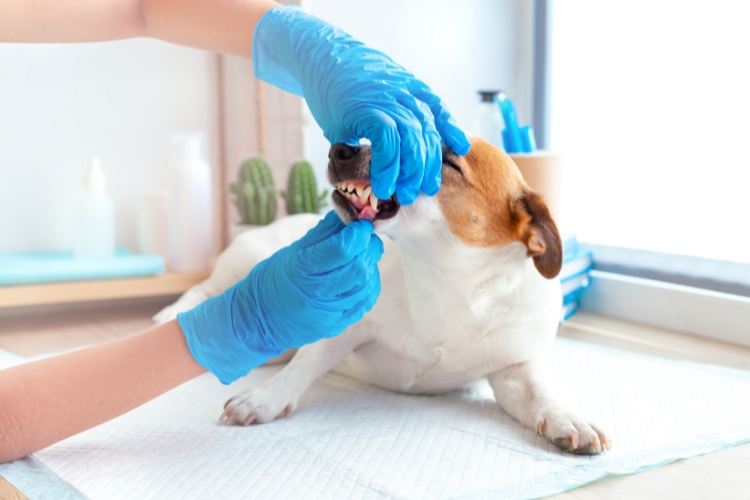
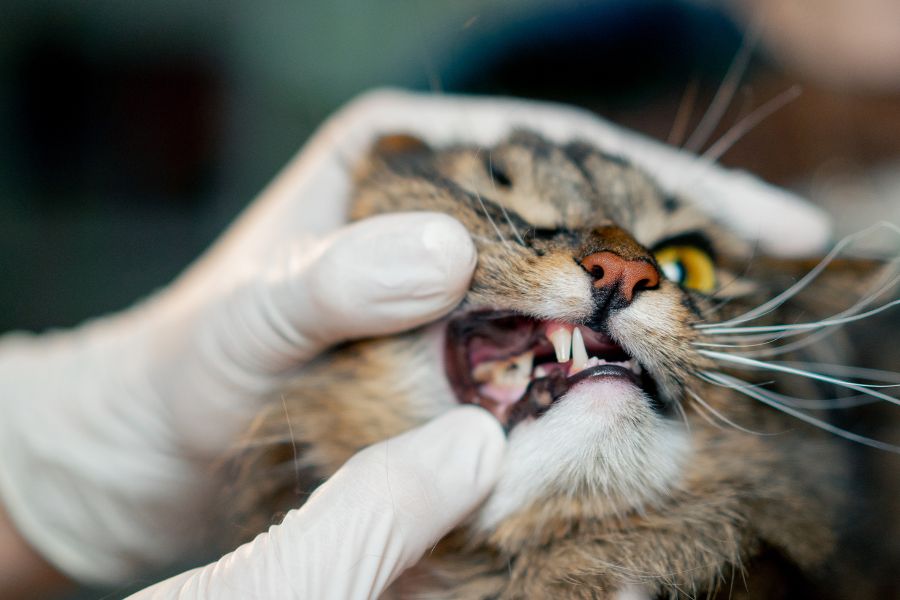
Routine oral exams at your animal hospital near you are critical for catching these conditions early.
Signs Your Pet May Have Dental Problems
Early detection of dental issues is vital. Watch for these common signs:
- Persistent bad breath
- Drooling or pawing at the mouth
- Difficulty chewing or dropping food
- Swollen or bleeding gums
- Loose or missing teeth
- Behavioral changes, like irritability or reluctance to play
If you notice any of these symptoms, contact an experienced vet to get the necessary guidance.
Importance of Regular Dental Care
Dental care is not just about preventing bad breath. It impacts your pet’s overall health. Bacteria from oral diseases can enter the bloodstream and affect organs like the heart, liver, and kidneys.
Preventive Measures Include:
- Regular Veterinary Checkups: Annual dental exams allow veterinarians to identify problems before they become serious. Hospitals recommend routine oral health assessments during wellness visits.
- Professional Dental Cleaning: Scaling and polishing under anesthesia removes plaque and tartar that home care cannot reach.
- Home Dental Care
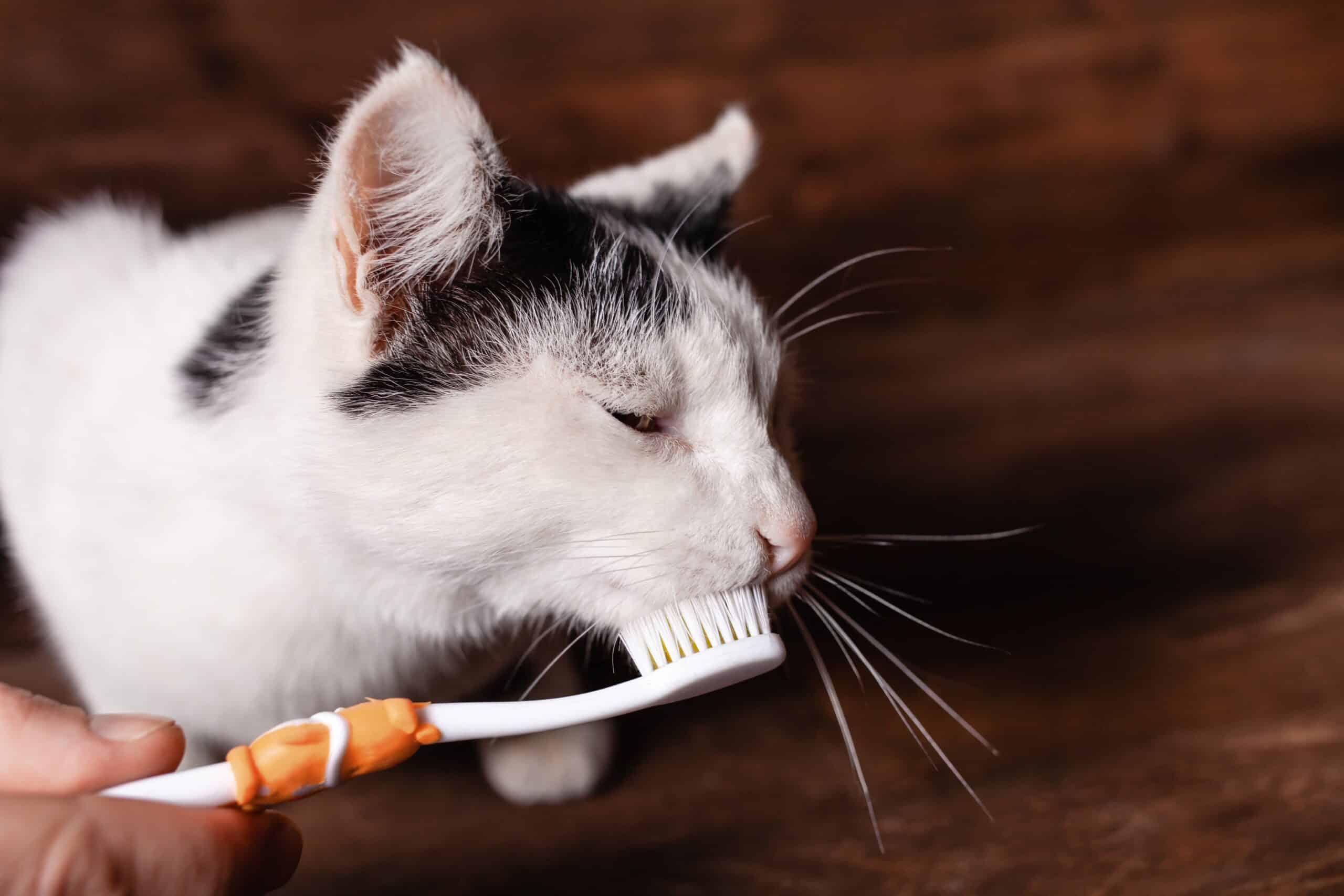
- Brushing your pet’s teeth with pet-safe toothpaste
- Dental chews or toys that promote healthy teeth
- Water additives designed to reduce plaque buildup
- Brushing your pet’s teeth with pet-safe toothpaste
- Proper Diet: Some pet foods are formulated to support oral health by reducing tartar and plaque buildup. Your veterinarian can recommend the best options.
Treatment Options for Oral Conditions
Depending on the severity, treatment may vary:
- Gingivitis: Professional cleaning and home dental care
- Stomatitis: Anti-inflammatory medications, antibiotics, or, in severe cases, tooth extraction
- Periodontal Disease: Deep cleaning, scaling, and sometimes surgery
- Tooth Resorption: Extraction of affected teeth
- Oral Tumors: Surgical removal, biopsy, and possible chemotherapy
Early intervention often results in better outcomes and less discomfort for your pet.
How to Choose the Right Dental Care Provider
Finding a clinic that offers pet dentistry in Bentonville ensures your pet receives expert care. When searching for a reliable veterinary hospital, consider:
- Experienced veterinarians in dentistry
- Availability of dental cleaning under anesthesia
- Emergency dental services
- Preventive dental care programs
Tips for Maintaining Your Pet’s Oral Health at Home
- Brush Regularly: Aim to brush your pet’s teeth daily or at least several times a week. Use pet-safe toothpaste only.
- Provide Dental Chews: Chews can help reduce plaque, but they should complement brushing, not replace it.
- Monitor Eating Habits: Changes in chewing or appetite may indicate dental discomfort.
- Regular Checkups: Schedule exams every 6–12 months to catch problems early.
- Healthy Diet: Include foods designed to support dental health, recommended by your veterinarian.
By combining professional care with proper home maintenance, you can help your pet avoid painful and expensive dental issues.
Oral health is a vital part of your pet’s overall wellness. Conditions like gingivitis, stomatitis, periodontal disease, and tooth resorption can lead to pain, infection, and systemic health problems. Regular veterinary exams, preventive care, and proper home maintenance can help your pet maintain a healthy mouth and live a longer, happier life.
For residents in Bentonville, AR, seeking an expert “animal hospital near me,” Dogwood Trails Animal Hospital offers professional pet dentistry and comprehensive oral health services for dogs and cats. Early detection and proactive care are key to preventing serious dental issues.
FAQs
1. How often should my pet have a dental exam?
Pets should have a dental checkup at least once a year. Some may require more frequent visits based on age or existing conditions.
2. Can home brushing prevent all dental issues?
Brushing significantly reduces plaque and tartar buildup, but cannot replace professional dental cleanings.
3. Are dental chews safe for all pets?
Most are safe, but some may not be appropriate for small breeds, senior pets, or pets with dental disease. Always consult your veterinarian.
4. How can I tell if my pet is in pain due to dental issues?
Signs include reluctance to eat, drooling, pawing at the mouth, or irritability. If you notice these, schedule an appointment with a vet immediately.
5. Can dental disease affect other organs?
Yes, oral bacteria can enter the bloodstream, potentially affecting the heart, kidneys, and liver.
6. Does my pet need anesthesia for dental cleaning?
Yes, anesthesia allows thorough cleaning and examination to be performed safely, removing plaque and tartar that cannot be reached during awake brushing.