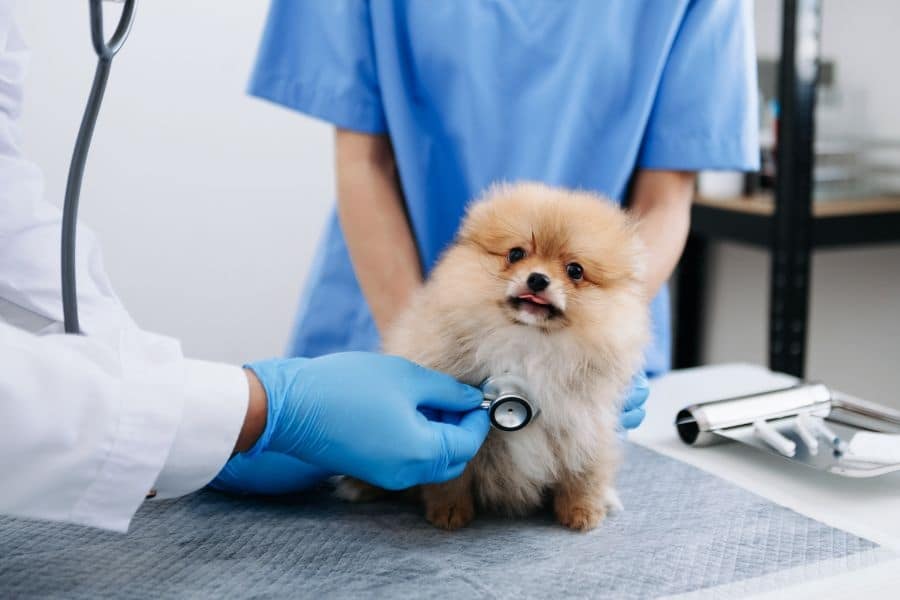
Urgent Care & Walk-ins are Welcome!

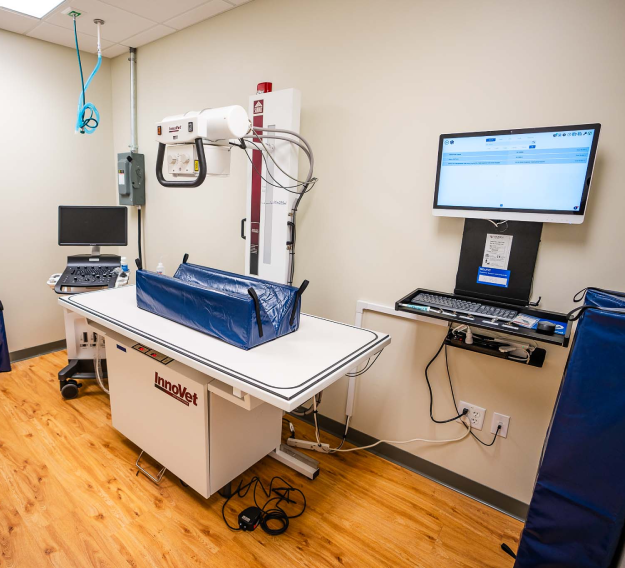
Our pets are part of our families, and keeping them healthy is one of our top priorities. Yet, unlike humans, pets cannot tell us when something feels wrong. This is where advanced diagnostic imaging plays a vital role. By using tools like X-rays, ultrasounds, and in-house laboratory testing, veterinarians can uncover hidden health issues, ensure accurate diagnoses, and begin treatment before problems escalate.
In this article, we will explore why advanced diagnostic imaging is so important, how it benefits your pet’s health, and the different technologies veterinarians use to provide the best possible care.
The Role of Advanced Diagnostic Imaging in Pet Health
Diagnostic imaging allows veterinarians to see beyond what a physical exam can reveal. While a physical checkup can identify obvious issues such as skin infections, ear problems, or visible injuries, it cannot detect what is happening inside the body.
With imaging tools, veterinarians can:
- Examine internal organs like the heart, lungs, liver, and kidneys.
- Detect fractures, bone disorders, or joint problems.
- Identify tumors, cysts, or abnormal growths.
- Monitor pregnancy or internal bleeding.
By offering a clear view of your pet’s internal health, advanced imaging ensures accurate and timely medical care.
Benefits of Advanced Imaging for Pets
1. Early Disease Detection
Many illnesses—such as heart disease, cancer, or kidney issues—progress silently. Pets often show no outward signs until the condition is advanced. Imaging allows veterinarians to detect these conditions at an early stage, which improves treatment outcomes and increases your pet’s quality of life.
2. Accurate Diagnosis
Without imaging, diagnosing certain conditions would be guesswork. X-rays, ultrasounds, and lab tests provide visual and measurable evidence that helps veterinarians pinpoint the exact problem.
3. Better Pain Management
Pets can hide their pain well. Diagnostic imaging helps identify the source of discomfort, whether it’s arthritis, a spinal issue, or an injury, so that proper treatment can begin quickly.
4. Minimally Invasive Evaluation
Instead of performing exploratory surgery, imaging allows veterinarians to assess internal issues without invasive procedures. This not only reduces risk but also makes recovery easier for your pet.
5. Comprehensive Care
When combined with routine checkups, advanced imaging creates a full picture of your pet’s health. It ensures nothing is overlooked and supports preventive care.
Common Types of Veterinary Diagnostic Imaging
Veterinarians rely on several types of imaging and diagnostic tools to evaluate your pet’s health. Each tool has unique advantages depending on the condition being assessed.
X-Rays (Radiographs)
X-rays are one of the most common imaging tools used in veterinary medicine. They help identify:
- Fractures and broken bones
- Arthritis or joint problems
- Tumors or masses
- Lung and heart conditions
X-rays are quick, painless, and provide immediate results.
Ultrasound Imaging
Ultrasound uses sound waves to create live images of internal organs. Unlike X-rays, which focus mainly on bones, ultrasound excels in evaluating soft tissues. It can detect:
- Pregnancy and fetal health
- Heart function
- Abnormal growths in organs
- Internal bleeding or fluid buildup
Ultrasound is non-invasive and allows veterinarians to see real-time movement inside your pet’s body.
In-House Laboratory Testing
Advanced veterinary hospitals often provide in-house laboratory services. These include:
- Blood tests to check organ function and detect infections
- Urinalysis to monitor kidney and bladder health
- Fecal exams to check for parasites
- Biopsies for diagnosing tumors or abnormal tissue
With in-house labs, results are available quickly, allowing for faster treatment decisions.
How Imaging Enhances Veterinary Care
Diagnostic imaging not only identifies illness but also guides treatment plans. For example:
- X-rays can confirm whether a broken bone needs surgery or can heal with a cast.
- Ultrasounds can monitor heart conditions and guide medication adjustments.
- Blood tests can reveal metabolic disorders that may require dietary changes.
By combining imaging results with physical exams and your pet’s medical history, veterinarians can provide personalized, effective care.
When Should Your Pet Have Diagnostic Imaging?
Your veterinarian may recommend diagnostic imaging when:
- Your pet shows unexplained symptoms like vomiting, limping, or fatigue.
- Routine blood work reveals abnormalities.
- You notice sudden weight loss, appetite changes, or breathing difficulties.
- Your pet has suffered an accident or injury.
Additionally, senior pets often benefit from regular imaging to monitor age-related conditions.
Advanced diagnostic imaging is a cornerstone of modern veterinary care. It provides early disease detection, accurate diagnoses, and effective treatment plans while minimizing invasive procedures. By investing in these technologies, veterinary hospitals ensure pets receive the highest quality care.
If you are searching for trusted veterinary diagnostics in Bentonville, AR, consult your local veterinary hospital to give your furry friend the best chance at a healthy, happy life.
Frequently Asked Questions (FAQs)
Q1. What is diagnostic imaging in veterinary medicine?
Ans. Diagnostic imaging includes X-rays, ultrasounds, and lab tests that help veterinarians evaluate internal organs, bones, and tissues.
Q2. Is diagnostic imaging safe for pets?
Ans. Yes, most diagnostic imaging procedures are safe, quick, and non-invasive. Sedation may be used in some cases for comfort.
Q3. How long does an ultrasound or X-ray take?
Ans. Most imaging tests take between 15–30 minutes, depending on the complexity of the case.
Q4. Do pets need anesthesia for X-rays or ultrasounds?
Ans. Not always. Some pets remain calm without sedation, but anesthesia may be used if a pet is anxious or in pain.
Q5. Can diagnostic imaging detect cancer in pets?
Ans. Yes, imaging tools like X-rays, ultrasounds, and biopsies can help detect tumors or abnormal growths early.
Q6. How often should my pet have diagnostic testing?
Ans. Healthy pets typically need testing during annual exams, but senior pets or those with health concerns may require more frequent diagnostics.