Urgent Care & Walk-ins are Welcome!
When a pet needs surgery, it can feel overwhelming. You’re faced with decisions that affect not only their health but their quality of life. Whether it’s a routine procedure or an emergency intervention, understanding the risks and benefits of veterinary surgery can help you make confident, informed choices.
Let’s take a closer look at what pet owners need to know—from surgical safety to recovery expectations.
Why Pets Need Surgery: Common Scenarios
From spaying and neutering to orthopedic and tumor-removal procedures, veterinary surgeries serve multiple purposes. Some are preventative, while others are life-saving.
Common types of pet surgeries include:
- Spay and neuter procedures
- Tumor or mass removals
- Dental surgeries
- Orthopedic surgeries (e.g., ACL repairs)
- Emergency abdominal procedures (like removing foreign objects)
As a pet owner, recognizing when surgery is necessary is critical. Often, your veterinarian will recommend surgery to prevent worsening health conditions or to correct issues that are causing your pet pain.
The Benefits: Why Veterinary Surgery Saves Lives
Surgery might sound drastic, but it often leads to a better life for your pet. Here are some key benefits:
1. Improved Quality of Life
A successful surgery can relieve pain, restore mobility, or eliminate disease, giving your pet a chance to thrive again.
2. Disease Prevention
Surgeries like spaying and neutering prevent reproductive cancers and other complications, reducing long-term health risks.
3. Early Intervention
Catching and treating problems early through surgical intervention can be the difference between recovery and chronic illness.
In Bentonville and beyond, veterinary surgery in Bentonville, AR, is advancing rapidly thanks to improved technologies, making these benefits even more accessible and effective.
The Risks: What Pet Owners Should Consider
Of course, no surgery is without risk. Understanding potential complications can help you prepare and make the right decisions.
1. Anesthesia Reactions
While rare, some pets may have adverse reactions to anesthesia. Vets take precautions by conducting pre-surgical bloodwork to reduce this risk.
2. Post-Op Complications
Infections, slow healing, or reactions to medication can occur. Close monitoring post-surgery is essential to catch issues early.
3. Emotional and Physical Stress
Both pets and their owners may experience stress during the surgical process. Preparation and emotional support go a long way in managing this.
Before the Procedure: How to Prepare Your Pet
Preparation plays a big role in surgical success. Here’s how you can help:
- Follow all pre-operative instructions from your veterinarian (such as fasting or discontinuing certain medications).
- Provide a calm environment before the procedure to reduce stress.
- Ask questions—your veterinarian is your best resource. Don’t hesitate to ask about surgical plans or expected outcomes.
Aftercare: Helping Your Pet Heal
Post-surgery care is just as vital as the operation itself. How well your pet recovers depends on how closely you follow your vet’s instructions.
Key aftercare steps:
- Keep the surgical site clean and dry
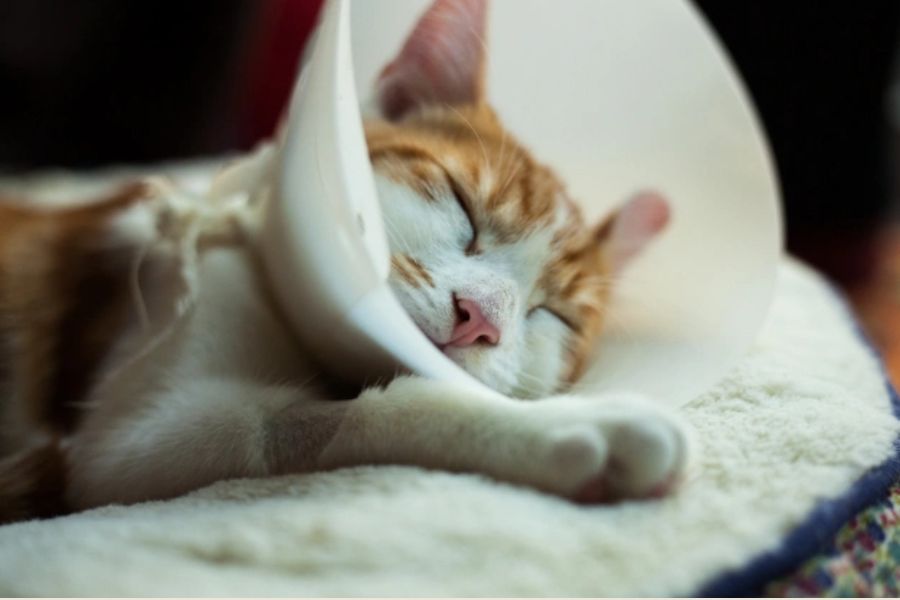
- Prevent your pet from licking or scratching the area
- Administer medications exactly as prescribed
- Limit movement if instructed (no jumping or running!)
- Watch for signs of infection or unusual behavior
Recovery times vary depending on the type of surgery and the individual pet, but with proper care, most animals heal remarkably well.
When to Worry: Red Flags Post-Surgery
Keep a close eye on your pet after surgery. If you notice any of the following signs, contact your vet immediately:
- Refusal to eat or drink for more than 24 hours
- Excessive swelling or bleeding from the surgical site
- Lethargy or unresponsiveness
- Vomiting, diarrhea, or labored breathing
Prompt response can prevent further complications and ensure your pet gets back on their paws quickly. Veterinary surgery can be life-changing, for the better. By understanding both the risks and the rewards, you’re better equipped to make decisions that prioritize your pet’s health and well-being.
Always consult with a trusted veterinarian, ask questions, and stay informed. Your love and attentiveness are just as important as the surgery itself.
FAQs About Veterinary Surgery
1. Is surgery safe for older pets?
A: Most pets can typically get back to a light diet within 24 hours, unless your vet says otherwise. Vets adjust anesthesia and procedures for senior pets.
2. How can I manage my pet’s pain after surgery?
A: Pain management is essential. Your vet will prescribe appropriate medications and guide you on signs of discomfort to watch for.
3. What should I feed my pet after surgery?
A: Most pets can typically get back to a light diet within 24 hours, unless your vet says otherwise. Your vet may recommend a special post-surgical diet.
4. Can surgery be avoided in some cases?
A: Sometimes. Alternatives like physical therapy or medication may be effective for certain conditions. Your vet will weigh all options.
5. How do I keep my pet calm during recovery?
A: Create a quiet recovery space, limit visitors, and use calming aids like pheromone sprays or soothing music.
6. Will my pet need follow-up visits?
A: Absolutely! Follow-up appointments are crucial for ensuring that everything is healing properly. They give the vet a chance to remove stitches and check for any complications that might arise.