Urgent Care & Walk-ins are Welcome!
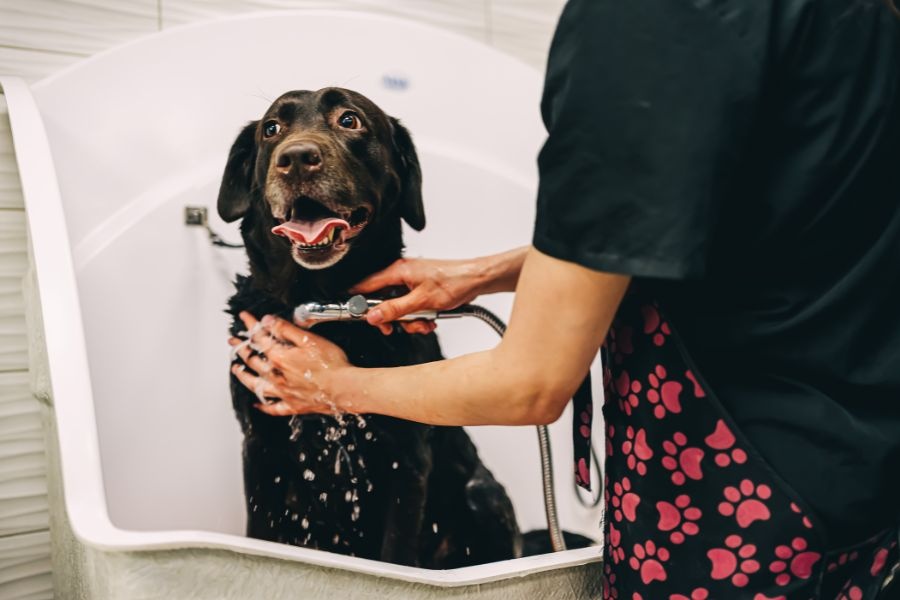
If you think dog grooming is just about keeping your pup looking good, think again. For pet owners, regular dog grooming is one of the most powerful forms of preventive care you can give your furry companion — and it could even save their life.
Grooming Is More Than Skin Deep
Most people schedule grooming appointments to manage shedding, trimming nails, or keeping their dog smelling fresh. But every grooming session is also an opportunity to closely examine your dog’s body in a way that a quick pat on the head simply can’t match.
When a groomer or attentive pet owner works through a dog’s coat, they touch and inspect nearly every inch of the animal. That hands-on contact creates the perfect conditions to spot early warning signs of health issues before they escalate into something serious.
Regular grooming builds a baseline understanding of what’s normal for your dog — their typical skin texture, coat thickness, ear odor, nail condition, and body shape. When something changes, you’ll notice it faster because you know what to look for.
Skin and Coat Clues Your Dog Can’t Ignore
Your dog’s skin and coat are a window into their overall health. During regular dog grooming sessions, groomers frequently identify issues like dry or flaky skin, unusual lumps or bumps, redness or rashes, hot spots, hair loss in specific areas, and changes in coat texture or shine.
These signs can point to a wide range of underlying conditions, including allergies, hormonal imbalances like hypothyroidism, fungal or bacterial infections, nutritional deficiencies, or even early-stage skin cancer. A dog who is constantly scratching or has dull, brittle fur may not just need a bath — they may need a veterinary evaluation.
By catching these coat and skin changes early through consistent grooming, you give your veterinarian a head start in diagnosing and treating whatever’s going on beneath the surface.
Parasite Prevention Starts at the Grooming Table
One of the most critical roles grooming plays in your dog’s health is parasite prevention. Fleas and ticks are not just uncomfortable for your pet — they carry serious diseases like Lyme disease, Rocky Mountain spotted fever, and tapeworms.
During a grooming session, a careful brush-out and inspection of your dog’s coat can reveal fleas, flea dirt (the dark specks that indicate flea activity), embedded ticks, or mite infestations. Finding these parasites early means treatment can begin before they multiply or spread disease.
Ear mites are another common culprit caught during grooming. If your dog’s ears smell musty, have dark discharge, or your dog shakes their head frequently, a grooming visit can flag these symptoms early. Left untreated, ear mite infestations and ear infections can cause significant pain and even hearing loss. Parasite prevention is far less costly — financially and emotionally — than treating an advanced infestation.
Eyes, Ears, Nails, and Teeth: The Details That Matter
A thorough grooming routine covers more than just fur. Each of these areas can reveal hidden health problems:
Eyes: Groomers trim the hair around the eyes and often notice cloudiness, excessive tearing, or discharge that could indicate eye infections, cataracts, or other vision concerns.
Ears: Clean, odor-free ears are a sign of good health. Redness, swelling, or unusual smell during a grooming visit can be early indicators of infection.
Nails: Overgrown nails can change your dog’s gait and lead to joint problems over time. Nails that crack, bleed, or have unusual color changes may point to fungal infections or circulation issues.
Teeth and Gums: Many groomers perform or recommend dental checks as part of their service. Tartar buildup, swollen gums, or loose teeth are red flags that require professional dental care. Dental disease in dogs has been linked to heart, kidney, and liver problems if left untreated.
By making grooming a consistent habit, you ensure these vital checkpoints are covered on a regular basis — not just during annual vet visits.
How Grooming and Veterinary Care Work Together
Think of regular grooming and veterinary care as partners in your dog’s long-term health plan. Groomers are often the first to notice something is off, and a good groomer will always recommend a vet visit when they find something concerning.
This partnership is especially valuable for dogs who are stoic by nature and don’t show obvious signs of pain or discomfort. Many health issues — including early tumors, abscesses, or joint swelling — are detected through touch before the dog shows any behavioral changes.
In Bentonville, where outdoor activities with dogs are popular year-round, regular grooming also means more frequent checks for ticks, foxtails, cuts, and abrasions that can go unnoticed in thick or long-haired breeds.
Conclusion: Preventive Care Starts With Grooming
Regular dog grooming is not a luxury — it is a cornerstone of responsible preventive care for your pet. The earlier a health issue is identified, the better the outcome for your dog and the lower the cost of treatment for you.
At Dogwood Trails Animal Hospital in Bentonville, we are passionate about helping pet owners stay ahead of health problems before they become emergencies. If your groomer has flagged a concern or if it’s simply time for your dog’s next wellness check, schedule your pet’s appointment today and let our team give your dog the thorough, compassionate care they deserve.
Frequently Asked Questions
Q1. How often should I have my dog professionally groomed?
Most dogs benefit from professional grooming every 4 to 8 weeks, depending on their breed, coat type, and activity level. Dogs with longer or thicker coats may need more frequent sessions, while short-haired breeds can go longer between appointments.
Q2. Can I do grooming health checks at home between professional sessions?
Absolutely. Brushing your dog regularly at home is a great way to monitor their skin, coat, and body condition between appointments. Run your hands along their body to feel for new lumps, sore spots, or changes in muscle tone. Early detection at home is just as valuable as what a professional groomer finds.
Q3. What should I do if my groomer finds a lump or skin issue on my dog?
Don’t panic, but do act promptly. Contact your veterinarian to schedule an evaluation. Most lumps are benign, but any new growth should be assessed by a professional to rule out more serious conditions. Early assessment leads to better outcomes.
Q4. How does regular grooming help with parasite prevention in Bentonville?
Outdoor environments in and around Bentonville can expose dogs to ticks, fleas, and other parasites year-round. Regular grooming provides a consistent opportunity to inspect your dog’s coat for parasites and treat infestations early, before they can cause disease or spread to other pets in the home.
Q5. At what age should I start grooming my puppy?
The earlier, the better. Introducing grooming to puppies between 8 and 16 weeks helps them get comfortable with the process. Early grooming habits also mean health checks become routine from a young age, making it easier to spot changes as your dog grows.