Urgent Care & Walk-ins are Welcome!

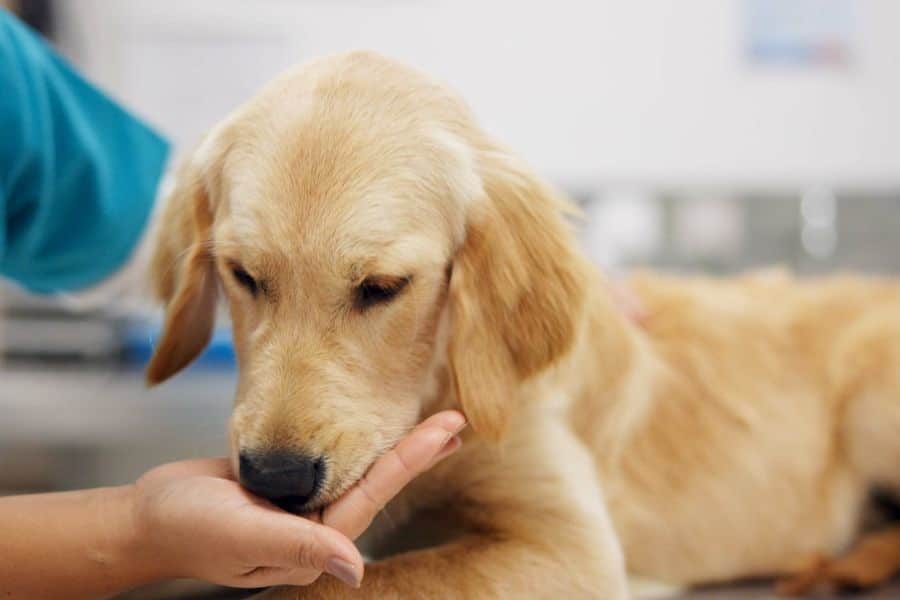
Pain can affect a dog after surgery, following an injury, during recovery from illness, or because of an ongoing condition. Dogs do not always show discomfort in obvious ways. Some become quiet and withdrawn, while others may pace, pant, avoid movement, or change their normal eating habits. Knowing how pain is recognized and treated can help pet owners make safer decisions for their dogs.
Pain medication can be an important part of veterinary care when a dog is experiencing discomfort. However, medication should be selected and prescribed based on the individual dog. Age, weight, medical history, kidney and liver function, current medications, and the source of pain can all affect which treatment is appropriate.
At Dogwood Trails Animal Hospital in Bentonville, veterinary pain management focuses on understanding why a dog hurts and creating a treatment plan that supports comfort while considering overall health.
Why Pain Management Matters for Dogs
Pain is more than a temporary unpleasant feeling. Ongoing discomfort can affect sleep, appetite, movement, behavior, and quality of life. A painful dog may also become less active, which can contribute to muscle loss and reduced mobility.
Effective veterinary pain management aims to reduce discomfort while addressing the condition causing it. Depending on the situation, treatment may involve medication, rest, activity adjustments, rehabilitation, nutritional support, or other veterinary recommendations.
Pain can be short term or ongoing. A dog recovering from a procedure may need temporary support, while a dog with arthritis may require a longer term management strategy.
The goal is not simply to give a dog medication. The goal is to create a safe and appropriate plan for that individual pet.
How Veterinarians Determine If a Dog Is in Pain
Dogs cannot tell us where they hurt or how severe the discomfort feels. Veterinarians therefore rely on physical examination, medical history, behavior, and changes in normal activity.
Possible signs of pain include:
- Limping or favoring one leg
- Reluctance to climb stairs
- Difficulty getting up or lying down
- Whining or unusual vocalization
- Restlessness
- Excessive panting
- Reduced appetite
- Hiding or withdrawing
- Irritability
- Excessive licking of one body area
- Changes in posture
- Reduced interest in normal activities
Not every painful dog will display these signs. Some dogs remain quiet and appear almost normal despite significant discomfort.
This is why a veterinary examination is important when a dog develops an unexplained change in behavior or mobility.
What Types of Pain Can Dogs Experience?
Pain can have many different causes. Understanding the source helps veterinarians determine an appropriate treatment approach.
Common situations include:
- Pain after surgery
- Muscle or soft tissue injuries
- Joint discomfort
- Arthritis
- Dental pain
- Abdominal discomfort
- Chronic medical conditions
- Injuries involving bones or joints
- Pain associated with inflammation
The treatment plan can vary significantly depending on the cause. A medication that may be appropriate for one condition may not be suitable for another.
Why Human Pain Medication Can Be Dangerous
One of the most important rules for dog owners is to avoid giving human pain medication unless specifically instructed by a veterinarian.
Some medications commonly used by people can cause serious problems in dogs. Certain products can affect the digestive system, kidneys, liver, blood clotting, or other organs. Dosage is also not simply based on whether a medication is considered safe for humans.
Even a medication that seems familiar can create a serious risk when given without veterinary guidance.
Pet owners should also avoid changing the dose or frequency of a prescribed medication on their own. If a dog seems uncomfortable despite treatment, contact the veterinary team rather than giving an additional dose.
How Veterinarians Choose Pain Medication
Veterinarians consider several factors before prescribing pain medication. The first concern is the source and severity of the pain.
Other factors may include:
- Age
- Body weight
- Kidney health
- Liver health
- Digestive health
- Existing medical conditions
- Current medications
- Previous reactions to medications
- Whether the pain is short term or ongoing
This individualized approach helps the veterinarian select a treatment plan that fits the dogs needs.
In some cases, more than one approach may be used. Combining appropriate methods can help address pain from different directions while allowing the veterinary team to monitor how the dog responds.
What Pet Owners Should Know About Prescribed Medication
When your veterinarian prescribes pain medication, make sure you understand how it should be given. Ask questions if any part of the instructions is unclear.
Important details include:
- How much medication should be given
- How often it should be given
- Whether it should be given with food
- How long the medication should be used
- What side effects should be monitored
- What to do if a dose is missed
- How the medication should be stored
- When the veterinarian wants a follow up examination
Never assume that more medication will provide better pain control. Giving extra medication can increase the risk of harmful side effects.
Follow the prescribed instructions carefully and contact your veterinary team if you have concerns.
Watch for Possible Medication Side Effects
Dogs can respond differently to medication. Some treatments may cause mild changes, while other reactions require prompt veterinary attention.
Pet owners should monitor their dog for unusual changes such as:
- Vomiting
- Diarrhea
- Significant appetite changes
- Unusual tiredness
- Changes in behavior
- Weakness
- Changes in drinking or urination
- Difficulty walking
- Other unexpected symptoms
If a dog develops a concerning reaction after starting medication, contact the veterinary team for guidance. Do not automatically stop or continue a medication without professional advice unless the veterinary team instructs you to do so.
Pain Control After Surgery or an Injury
Dogs recovering from surgery or injury often need careful pain control. Good recovery involves more than medication alone.
Your veterinarian may also recommend:
- Limiting activity
- Using a comfortable resting area
- Preventing jumping
- Following wound care instructions
- Keeping the dog from licking an incision
- Gradually returning to normal activity
- Attending recommended follow up visits
Pain can sometimes make a dog reluctant to move. However, too little movement during a recovery period can also create problems. Follow the activity restrictions and exercise recommendations provided by your veterinary team.
Managing Chronic Pain in Older Dogs
Older dogs may develop ongoing discomfort associated with arthritis or other age related conditions. Chronic pain can be subtle. A dog may simply stop jumping onto furniture, walk more slowly, avoid stairs, or sleep more than usual.
These changes should not automatically be dismissed as normal aging.
Veterinary pain management can include a combination of appropriate medication, weight management, controlled activity, home adjustments, and other supportive care. Regular examinations help veterinarians monitor changes and adjust the plan when necessary.
Simple home changes can also improve comfort. Providing supportive bedding, reducing slippery surfaces, and placing food and water where they are easy to reach may help an older dog move around more comfortably.
Why Regular Follow Up Matters
Pain management is not always a one time decision. A dogs condition can change, and the response to medication can vary over time.
Follow up examinations allow the veterinary team to assess mobility, behavior, appetite, physical findings, and overall response to treatment. Laboratory testing may also be recommended for certain medications or medical conditions.
Regular monitoring helps the veterinarian determine whether the current plan remains appropriate or whether adjustments are needed.
Never Guess When Your Dog Is Hurting
If your dog is acting differently, moving less, eating poorly, or showing other possible signs of discomfort, do not try to diagnose the cause at home. Pain can come from many conditions, and the appropriate treatment depends on what is causing it.
A veterinary examination can help identify the source of discomfort and determine whether pain medication or another treatment approach is appropriate.
Schedule Veterinary Pain Management for Your Dog
If your dog is showing signs of discomfort or needs support during recovery, contact Dogwood Trails Animal Hospital in Bentonville. The veterinary team can evaluate your dogs condition and develop a pain management plan based on individual health needs.
Professional veterinary pain management can help improve comfort while keeping safety at the center of treatment. Schedule an appointment to discuss your dogs symptoms, current medications, and available treatment options.
Frequently Asked Questions
Q1. Can I give my dog human pain medication?
Ans: Do not give human pain medication unless a veterinarian specifically tells you to use a particular product and dose. Some human medications can be dangerous for dogs and may cause serious organ or digestive problems.
Q2. How can I tell if my dog is experiencing pain?
Ans: Possible signs include limping, reluctance to move, panting, restlessness, changes in appetite, unusual vocalization, hiding, irritability, or changes in posture. Some dogs may show very subtle signs.
Q3. How does a veterinarian decide which pain medication is appropriate?
Ans: The veterinarian considers the source of pain, age, weight, medical history, kidney and liver health, current medications, and other individual factors before creating a treatment plan.
Q4. What should I do if my dog has side effects from pain medication?
Ans: Contact your veterinary team and describe the symptoms, medication, dose, and timing. Do not give an additional dose or make medication changes without veterinary guidance.
Q5. Can older dogs receive treatment for chronic pain?
Ans: Yes. Older dogs with ongoing discomfort may benefit from an individualized pain management plan. Treatment can include appropriate medication, controlled activity, weight management, home adjustments, and regular veterinary monitoring.