Urgent Care & Walk-ins are Welcome!

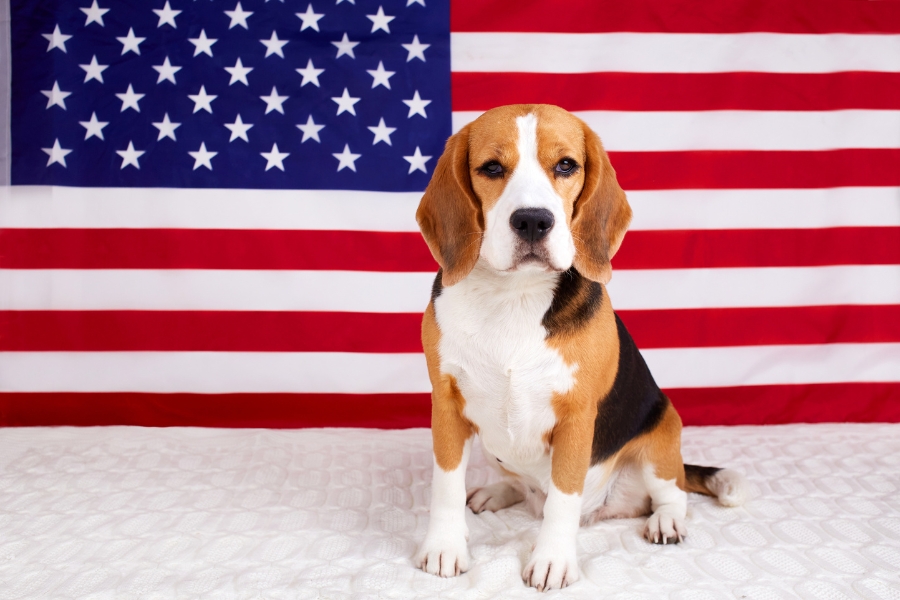
The unpredictable booms and bangs of fireworks can be terrifying for pets. But here’s the good news—with practice and patience, you can help your pet build resilience to these sounds. Desensitization is a proven behavior-modification technique that gradually reduces anxiety over time, and when started well before the Fourth of July, it can make a meaningful difference.
Let’s explore how to introduce your pet to scary sounds safely and effectively, so they feel calmer when the holiday arrives.
Let’s explore how to safely and effectively introduce your pet to frightening sounds, helping them feel calmer when the holiday arrives.
Why Pets Fear Fireworks
Fireworks are a sensory overload for most animals:
- Loud, unpredictable sounds
- Bright flashing lights
- Strong smells of smoke
- Vibrations in the ground or air
Without any context, pets perceive these stimuli as threats, triggering a “fight or flight” response. Desensitization helps rewire that perception.
What Is Desensitization?
Desensitization involves exposing your pet to a low level of a feared sound, such as fireworks, and gradually increasing it over time. When combined with positive reinforcement (treats, praise, play), your pet learns that the sound is not something to fear.
It’s a slow process, but with consistency, it works.
How to Start: Preparation in Advance Is Key
Begin at least 2–3 weeks before the Fourth of July, especially if your pet has previously shown strong fear responses.
You’ll need:
- A quiet space free from distractions
- Access to your pet’s favorite treats or toys
- A speaker or device to play fireworks recordings (YouTube, Spotify, or pet-specific desensitization apps)
Step-by-Step Desensitization Plan
Step 1: Set the Scene
Choose a time of day when your pet is calm and relaxed to help minimize the chance of an immediate stress reaction.
- Keep your pet in a familiar, safe room.
- Sit with them calmly; don’t make a big deal about the training session.
Step 2: Start with Low Volume Firework Sounds
Play a very low volume fireworks recording—barely above ambient noise.
- Watch your pet’s body language: no reaction = success.
- Reward your pet with treats or play.
- Continue for 5–10 minutes.
Step 3: Gradually Increase Volume Over Days
Only raise the volume if your pet remains calm at the current level. This may take a day or two per stage.
- If your pet becomes anxious, lower the volume and try again later.
- Keep sessions short and positive—never push your pet beyond their comfort zone.
Step 4: Add Real-Life Distractions
Once your pet tolerates mid-to-high volume sounds:
- Combine with normal activities like meals or play.
- Practice in different rooms or times of day.
This mimics real-life unpredictability, strengthening your pet’s adaptability.
Counterconditioning: The Power of Positive Pairing
Counterconditioning means teaching your pet that fireworks = good things.
Examples:
- Play with a favorite toy while sounds play.
- Offer high-value treats only during desensitization sessions.
- Use clicker training if your pet is familiar with it.
Over time, they’ll associate the sound of fireworks with fun, not fear.
Desensitization Tips for Dogs
- Use treat puzzles or chew toys during sound exposure.
- Stay calm yourself—your energy influences your dog’s response.
- Use a leash indoors if your dog is reactive to prevent bolting.
Desensitization Tips for Cats
- Use gentle play (feather wands, lasers) while sounds play.
- Give hiding spots nearby for reassurance.
- Don’t force interaction—let your cat lead.
Signs of Progress
- Calmer body language (no panting, pacing, hiding)
- Willingness to eat or play during sound sessions
- Less startled reactions to increasing volume
Even partial progress is a win—every bit of comfort counts.
When to Consult a Professional
If your pet shows signs of severe panic—drooling, trembling, aggression, or escape attempts – consult your vet or a certified animal behaviorist. Desensitization may still be helpful, but it should be part of a broader behavioral or medical plan.
Desensitization requires time, patience, and consistency, but it’s one of the most effective ways to help your pet manage fireworks anxiety. Starting well in advance of July 4th gives your pet the best chance to enjoy the night in peace, not panic. A calm pet doesn’t happen by chance. It happens through preparation. And your practice, combined with love and patience, can transform how your pet experiences the world—one sound at a time.