Urgent Care & Walk-ins are Welcome!

Few things capture a pet owner’s heart like looking into the bright, clear eyes of a cherished dog or cat. Eye health serves as a window into a pet’s overall well-being, which is why noticing sudden haziness, film, or discoloration can be deeply concerning. Identifying cloudy eyes in dogs and cats early is essential, as subtle changes in optical clarity often point to evolving underlying conditions within the cornea, lens, or fluid-filled chambers of the eye.
While slight nuclear sclerosis develops naturally in aging senior pets, acute corneal cloudiness or sudden haze usually signals physical inflammation, fluid retention, or intraocular pressure shifts. Seeking urgent pet care ensures that veterinary professionals can evaluate optical structures immediately, preserving sight and delivering targeted relief for non-life-threatening ocular discomfort. For pet owners residing in Bentonville, knowing how to distinguish normal age-related changes from acute eye issues ensures companion animals receive gentle, effective support when they need it most.
What Causes Cloudy Eyes in Dogs and Cats?
Cloudiness within the eye can originate from several distinct anatomical structures. Identifying the exact location and pattern of the haze helps clinical teams pinpoint the underlying cause.
Lens Density and Cataract Development
As pets age, the fibers inside the ocular lens naturally compress, leading to a hazy, bluish tint known as lenticular sclerosis. While lenticular sclerosis permits light passage, true cataracts cause opaque, white clouding across the lens. Cataracts block light transmission, progressive loss of vision, and localized internal inflammation.
Corneal Edema and Fluid Accumulation
The cornea is the transparent outer layer of the eye that must remain clear to allow crisp vision. When the corneal surface sustains a scratch, ulceration, or internal inflammation, excess fluid accumulates within tissue layers. This fluid buildup creates a foggy, bluish-gray appearance across the eye surface.
Elevated Intraocular Pressure and Inflammation
Conditions that disrupt internal fluid drainage cause intraocular pressure spikes. High fluid pressure strains the inner corneal lining, leading to diffuse clouding, enlarged pupils, and visible redness around the white sclera of the eye.
Assessing Optical Signs: Home Monitoring vs. Clinical Care
Recognizing whether an ocular change requires routine monitoring or immediate clinical assessment depends on observing your pet’s comfort, eye appearance, and daily movement.
Safe for Home Monitoring (Minor, Non-Painful Variations)
If your companion displays any of the following subtle signs while remaining comfortable and energetic, initial observation at home is appropriate:
- Mild, symmetrical bluish tint in both eyes in an aging senior pet without squinting
- Clear, watery discharge after playing outdoors in windy or dry conditions
- Unimpaired navigation around familiar rooms, furniture, and doorways
- Smooth, shiny corneal surface with zero visible scratches, swelling, or redness
Requires Intermediate Clinical Evaluation
If you observe sudden optical shifts or signs of eye distress, seeking urgent vet care prevents secondary ocular damage:
- Sudden, asymmetrical clouding appearing in one or both eyes over a short period
- Persistent squinting, frequent blinking, or holding an eye completely closed
- Relentless pawing at the face or rubbing the eyes against carpet and furniture
- Noticeable blood spots, yellowish discharge, or severe redness around the eyelids
- Unexplained hesitancy, bumping into doorframes, or reluctance to enter dark areas
Point-of-Care Diagnostic Evaluations for Ocular Health
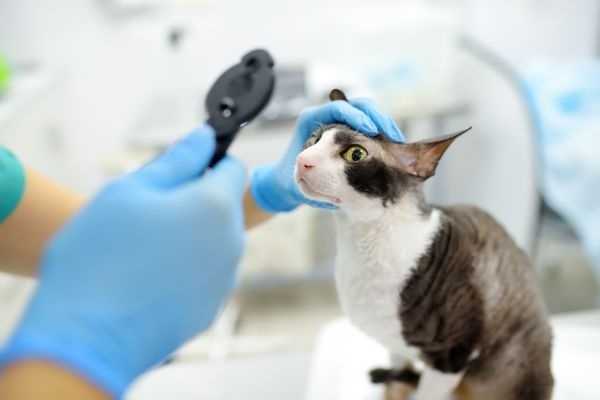
When you visit a clinical team for urgent vet care, specialized diagnostic tools allow veterinary professionals to evaluate delicate eye structures without delay.
- Fluorescein Dye Application: Highlights superficial corneal scratches, hidden ulcers, and tissue tears under specialized cobalt blue light.
- Ophthalmic Tonometry Testing: Measures intraocular pressure quickly and gently to detect pressure spikes or internal fluid drainage shifts.
- Slit-Lamp Biomicroscopy: Delivers high magnification to inspect the anterior chamber, iris, lens clarity, and corneal clarity in real time.
Combining instant diagnostic feedback with pet-safe anti-inflammatory drops, protective lubrication, or pressure-regulating medications stops discomfort and safeguards your pet’s vision.
Caring for Companion Animals in Bentonville
Protecting your pet’s visual health requires attentive daily care and staying mindful of subtle changes in their behavior. Inspecting your companion’s eyes during routine petting sessions allows you to spot minor cloudiness, swelling, or redness before mobility or comfort is affected.
If you are from Bentonville and looking for urgent vet care, taking fast action at the first sign of optical haze or eye discomfort provides your pet with the best opportunity for a smooth, complete recovery.
Providing timely medical attention when health changes occur protects your companion’s quality of life and strengthens the lifelong bond you share.
Taking Action for Your Pet’s Visual Comfort
When your dog or cat exhibits sudden eye cloudiness, squinting, or visible physical discomfort, securing a prompt evaluation keeps their recovery moving in the right direction. You can schedule an online appointment through our portal to reserve a convenient time for your pet to be examined by our medical team.
If your companion is actively displaying uncomfortable eye symptoms or sudden optical changes and you prefer to speak directly with our clinical staff before arriving, please call our team at 479-385-2038 so we can offer immediate guidance and prepare for your visit.
Our compassionate medical staff looks forward to supporting your family and providing exceptional care at Dogwood Trails Animal Hospital.
Frequently Asked Questions
Q1. What is the main difference between cataracts and lenticular sclerosis?
Ans: Lenticular sclerosis is a natural, non-painful aging process where the lens develops a bluish, transparent haze that still allows light through. Cataracts create dense, opaque white clouds within the lens that block light, impairing vision and causing internal eye inflammation that requires medical management.
Q2. Can eye cloudiness in pets develop suddenly over a single day?
Ans: Yes. While cataracts and nuclear sclerosis develop gradually, acute conditions like corneal ulcers, sudden intraocular pressure changes, or severe corneal edema can cause noticeable clouding, fogginess, or bluish discoloration within hours, requiring prompt veterinary evaluation to protect sight.
Q3. Is eye cloudiness always accompanied by physical pain for dogs and cats?
Ans: Not always. Age-related nuclear sclerosis is completely painless. However, cloudiness caused by elevated intraocular pressure, corneal surface scratches, or internal inflammation produces severe discomfort, leading to squinting, watery tearing, pawing at the face, and increased sensitivity to light.
Q4. Can home eye drops safely clear up a pet’s cloudy eye?
Ans: No. Over-the-counter human eye drops or leftover prescription ointments can worsen corneal ulcers and cause severe irritation. Because treating eye conditions requires knowing whether intraocular pressure or surface integrity is compromised, professional veterinary diagnosis and animal-safe medications are strictly necessary.
Q5. How should I keep my pet safe while traveling to the clinic with eye discomfort?
Ans: Keep your vehicle cool, quiet, and shaded from harsh sunlight. Place cats and small dogs in a soft, padded carrier, and fit larger dogs with an Elizabethan collar if they attempt to rub their face against seat covers during the drive.