Urgent Care & Walk-ins are Welcome!

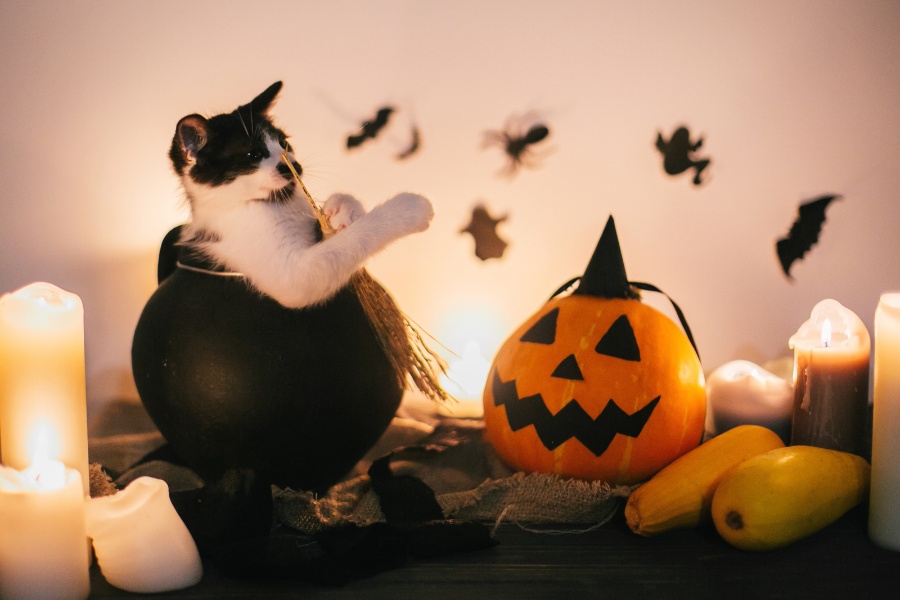
Halloween brings spooky decorations, glowing pumpkins, hanging cobwebs, and festive displays that make homes feel ready for the season. However, decorations that look harmless to people can become tempting toys or potential hazards for curious dogs and cats. A dangling ribbon may attract a playful kitten, a plastic spider may become a chewing target, and a flickering candle may catch a pet’s attention.
For families in Bentonville, planning ahead can help keep Halloween enjoyable without putting furry companions at risk. Understanding Halloween decoration safety allows pet owners to decorate creatively while protecting their animals from choking hazards, burns, digestive problems, and unnecessary stress.
Why Halloween Decorations Can Be Dangerous for Pets
Dogs and cats explore their surroundings in different ways. Dogs often sniff, chew, and carry unfamiliar objects, while cats may paw at moving decorations, climb display structures, or investigate small objects with their mouths. These natural behaviors can turn seasonal decorations into household hazards.
Small decorative items may be swallowed, causing choking or digestive tract obstructions. Electrical cords can invite chewing, while unstable displays may fall if bumped. Certain decorative materials may also contain substances that irritate the mouth or stomach.
Before decorating, walk through your home from your pet’s perspective. Look for low-hanging objects, loose pieces, accessible wires, and decorations placed near food bowls, beds, or favorite play areas. Identifying potential risks early makes it easier to create a festive environment that accommodates your pet’s needs.
Keep Small Halloween Decorations Out of Reach
Miniature pumpkins, plastic bats, fake insects, decorative skulls, beads, and tiny skeletons can look like interesting toys to pets. If swallowed, some objects may cause choking or become lodged in the digestive tract.
Choose decorations that are sturdy and difficult to break into small pieces. Place lightweight ornaments on high shelves or inside secure display cases. Avoid leaving small decorative objects on coffee tables, low windowsills, or floors where pets can easily reach them.
Pay attention to artificial cobwebs and stretchy decorative fibers. Cats may become tangled in these materials, and dogs may swallow them while chewing. Long strands can be particularly concerning if ingested because they may contribute to serious intestinal complications.
After decorating, inspect the area for loose pieces that may have fallen off. Regularly check your pet’s favorite spaces to ensure that decorations have not become accessible during play.
Protect Pets From Electrical Cords and Battery Hazards
Halloween lights, animated decorations, illuminated pumpkins, and sound-producing ornaments often require electricity or batteries. Curious pets may chew exposed cords or investigate battery compartments.
Chewing an electrical cord can cause burns to the mouth or electrical injury. Secure cords along walls, behind furniture, or inside protective covers designed for electrical cables. Keep plugged-in decorations away from pet beds, scratching posts, and frequently used play areas.
Battery-powered decorations require additional care. Loose batteries and damaged battery compartments should never be accessible to animals. Certain batteries can cause serious tissue damage if swallowed, while small battery-powered objects may also present choking or obstruction risks.
Check decorations regularly for frayed wires, loose connections, cracked casings, and missing battery covers. Unplug decorative lights when you leave home or cannot supervise your pets. Battery-operated lights may be a practical alternative to exposed flames, provided the battery compartments remain securely closed.
Choose Safe Lighting Instead of Open Flames
Candles inside carved pumpkins create a traditional Halloween appearance, but an open flame can be dangerous in a home with active pets. A wagging tail, a sudden jump, or a curious nose may knock over a candle and start a fire. Pets may also suffer burns if they approach a flame.
Consider using battery-operated candles or LED pumpkin lights instead. These alternatives can provide a warm glow without an exposed flame. Position them where pets cannot chew the devices or knock over the display.
If you use traditional candles, keep them on stable surfaces well beyond your pet’s reach and never leave them unattended. Remember that cats can jump onto shelves and counters, so a location that seems high enough for a dog may still be accessible to a cat.
Avoid placing hot lights or heated decorative equipment near pet bedding, curtains, or other materials that could catch fire. A little planning can help preserve the Halloween atmosphere without introducing avoidable risks.
Be Careful With Fake Cobwebs, Ribbons, and Hanging Props
Hanging skeletons, dangling ribbons, fake cobwebs, streamers, and suspended decorations can be particularly appealing to cats. Moving objects may trigger their natural hunting instincts, encouraging batting, climbing, and chewing.
The problem is that strings and fibers can become wrapped around paws, claws, or necks. If swallowed, string-like materials may cause serious intestinal injuries. Dogs may also chew through hanging props or pull down decorations while playing.
Keep long strands and loose fibers away from areas where pets spend time. Secure hanging decorations firmly and avoid placing them near cat trees, shelves, sofas, or furniture that provides easy access.
Inspect costumes and decorative accessories for loose ribbons, bells, plastic pieces, or elastic bands. Remove damaged items promptly, and do not leave pets unsupervised with decorations that they may chew or pull apart.
Review Pet Halloween Products Before Use
Seasonal displays often include costumes, themed toys, collars, bandanas, and other pet Halloween products. These items can help pets participate in family celebrations, but appearance should never take priority over comfort and safety.
Choose products that fit properly and allow your pet to breathe, walk, see, hear, and move naturally. Avoid accessories with small detachable parts, sharp edges, long strings, or decorations that could be swallowed. Inspect new toys for weak seams and loose filling before offering them to your pet.
Introduce costumes gradually and watch your animal’s response. If your pet freezes, repeatedly tries to remove the costume, hides, or shows signs of distress, take it off. Some animals are more comfortable wearing a simple bandana or no costume at all.
Always supervise pets when they wear seasonal accessories or play with themed toys. Remove damaged products and keep packaging, plastic ties, and tags out of reach.
Keep Toxic Seasonal Items Away From Dogs and Cats
Not every Halloween hazard looks like a decoration. Some seasonal items can expose pets to harmful substances through licking, chewing, or accidental ingestion.
Keep candy, chocolate, sugar-free sweets, and discarded wrappers in closed containers. Chocolate can be toxic to dogs and cats, while products containing xylitol can be particularly dangerous to dogs. Candy wrappers may also cause choking or digestive obstructions.
Be cautious with decorative plants, potpourri, scented oils, and artificial materials used in seasonal arrangements. Some plants and fragrance products can irritate pets or cause harmful effects if swallowed or improperly used around animals.
Pumpkins and gourds should also be managed carefully. Plain pumpkin flesh may be suitable for some pets in appropriate amounts, but moldy material, heavily seasoned leftovers, and swallowed stems can create problems. Keep carved pumpkins clean and discard deteriorating displays before pets investigate them.
If your pet chews or swallows a questionable item, contact a veterinarian promptly. Keep the packaging or take a photograph of the product to help identify possible risks.
Create a Calm Space During Halloween Celebrations
Halloween can bring frequent doorbell sounds, unfamiliar visitors, loud conversations, and changing household routines. These activities may cause anxiety in pets, particularly those that are shy or sensitive to noise.
Prepare a quiet room with familiar bedding, fresh water, and favorite toys. Keep decorations out of this area and allow your pet to retreat whenever needed. Close windows and doors securely to reduce the chance of a frightened animal escaping when guests arrive.
Remind visitors not to feed pets without permission or encourage them to play with decorations. Watch for signs of stress, including hiding, pacing, excessive panting, flattened ears, tucked tails, or repeated attempts to leave the room.
A comfortable retreat helps pets feel secure while the rest of the household enjoys the festivities. If your animal consistently struggles with seasonal noise or visitors, ask your veterinarian about suitable ways to support calmer behavior.
Know When to Contact a Veterinarian
Even with careful preparation, accidents can happen. Contact a veterinary professional if your pet swallows a decoration, chews a battery, bites an electrical cord, or develops unusual symptoms after contact with a seasonal item.
Repeated vomiting, abdominal discomfort, excessive drooling, difficulty swallowing, or sudden changes in behavior warrant prompt veterinary advice. Difficulty breathing, collapse, seizures, or serious electrical injuries require immediate veterinary attention.
Do not induce vomiting or give home remedies unless a veterinary professional specifically directs you to do so. If possible, provide details about the object, material, or substance involved, along with the time of exposure and any symptoms you have noticed.
Pet owners searching for vets in Bentonville can benefit from identifying a trusted local veterinary clinic before Halloween begins. Keeping contact information readily available can help you respond quickly if an unexpected situation occurs.
Schedule a Visit With Dogwood Trails Animal Hospital
Halloween decoration safety starts with thoughtful choices, regular supervision, and an understanding of how pets explore their surroundings. By securing cords, avoiding accessible small objects, choosing suitable pet Halloween products, and providing a calm retreat, you can make seasonal celebrations safer for your furry family members.
Dogwood Trails Animal Hospital is a local resource for pet owners in Bentonville who have questions about household hazards, seasonal safety, or changes in their pet’s behavior. Contact the team to discuss your pet’s needs and ask about available appointment scheduling or online booking options.
Plan ahead, keep potentially dangerous decorations out of reach, and enjoy a festive Halloween that puts your pet’s well-being first.
Frequently Asked Questions
Q1. Which Halloween decorations are most dangerous for dogs and cats?
Ans: Small ornaments, artificial cobwebs, ribbons, electrical cords, open-flame candles, and decorations with detachable parts can pose risks. Pets may chew, swallow, become tangled in, or knock over these items.
Q2. Are inflatable Halloween decorations safe around pets?
Ans: Inflatable decorations may be suitable when securely positioned and supervised, but exposed electrical cords, fans, plastic components, and anchoring strings can create hazards. Keep pets away from moving parts and prevent chewing.
Q3. Can cats play with artificial cobweb decorations?
Ans: It is safer to keep artificial cobwebs away from cats. Their paws and claws can become entangled in the fibers, and swallowing string-like material may cause serious digestive complications.
Q4. What should I do if my dog swallows a Halloween decoration?
Ans: Contact your veterinarian promptly and describe the object, its material, and the approximate time it was swallowed. Do not induce vomiting unless instructed by a veterinary professional, and seek immediate care if your dog has difficulty breathing or appears severely unwell.
Q5. How can I decorate for Halloween when my cat climbs on furniture?
Ans: Avoid relying only on high shelves to keep decorations safe. Use secure displays, avoid dangling strings and fragile ornaments, protect electrical cords, and keep hazardous items inside closed cabinets or areas your cat cannot access.