Urgent Care & Walk-ins are Welcome!


Every dog needs exercise, but there isn’t a one-size-fits-all answer to how much is enough. Some dogs seem ready to play from sunrise to sunset, while others are perfectly happy with a leisurely stroll and a cozy nap. Understanding what your dog truly needs depends on several factors, including breed, age, personality, and overall health.
A trusted veterinarian can help you create an exercise routine that keeps your dog physically fit and mentally engaged. Instead of focusing only on the number of walks each day, it’s important to consider the type of activity that matches your dog’s lifestyle.
Breed Plays a Bigger Role Than You Might Think
Dogs were originally bred for different jobs, and many still carry those instincts today. That’s why exercise needs can vary dramatically between breeds.
Working and herding breeds, such as Border Collies and German Shepherds, typically require more vigorous physical activity along with mental challenges. They often thrive when given opportunities to run, learn new skills, or solve problems.
On the other hand, lower-energy breeds like Bulldogs or many toy breeds usually prefer shorter periods of activity followed by plenty of rest. While they still need daily movement, overexertion can leave them tired rather than fulfilled.
Understanding your dog’s breed tendencies is a great starting point when building an exercise routine.
Exercise Needs Change With Age
A dog’s life stage has just as much influence as breed.
Puppies
Young dogs have endless enthusiasm, but their growing bones and joints need protection. Instead of long hikes or extended runs, puppies benefit from short play sessions spread throughout the day. Gentle games, brief walks, and basic training exercises help burn energy while supporting healthy development.
Adult Dogs
Healthy adult dogs generally need more structured exercise. Daily walks, games of fetch, hiking, swimming, or agility activities help maintain muscle tone, support cardiovascular health, and reduce boredom.
Senior Dogs
Older dogs still benefit from regular movement, even if they move more slowly than they once did. Gentle walks, stretching, and low-impact activities can help preserve mobility, reduce stiffness, and improve overall quality of life.
Adjusting exercise as your dog ages helps keep them comfortable while supporting long-term wellness.
Physical Activity Isn’t the Whole Story
Many owners assume the goal is simply to tire their dog out physically. In reality, mental stimulation can be just as important.
Dogs naturally enjoy using their noses and solving problems. Activities that encourage thinking often provide meaningful enrichment without requiring intense physical effort.
Consider adding:
- Puzzle feeders
- Interactive toys
- Short training sessions
- Hide-and-seek games
- Food-search activities
These exercises challenge your dog’s brain and can leave them feeling pleasantly satisfied.
The Power of “Sniffaris”
One of the simplest forms of mental enrichment is a sniffing walk, often called a “sniffari.”
Instead of rushing through your neighborhood walk, allow your dog extra time to investigate scents along the way. Smelling different environments gives dogs valuable mental stimulation because they gather information about other animals, people, and changes in their surroundings.
For many high-energy dogs, a slow-paced sniffari can be just as rewarding as a fast-paced run.
Signs Your Dog May Need More Activity
Dogs often communicate boredom in subtle ways.
Watch for behaviors such as:
- Excessive chewing
- Digging
- Constant barking
- Restlessness
- Pacing around the house
- Seeking attention more frequently than usual
These behaviors don’t always mean your dog needs longer walks. Sometimes adding more mental enrichment is enough to make a noticeable difference.
Can Dogs Get Too Much Exercise?
Yes. More exercise isn’t always better.
Overexercising can place unnecessary strain on muscles and joints, especially in puppies, senior dogs, or dogs recovering from injuries.
Pay attention to signs like:
- Excessive panting
- Reluctance to continue walking
- Limping
- Extended recovery time
- Stiffness after activity
Finding the right balance is more beneficial than simply increasing exercise time.
Create a Routine That Fits Your Dog
Every dog is unique. A consistent routine that combines physical movement with mental enrichment often provides the greatest benefits.
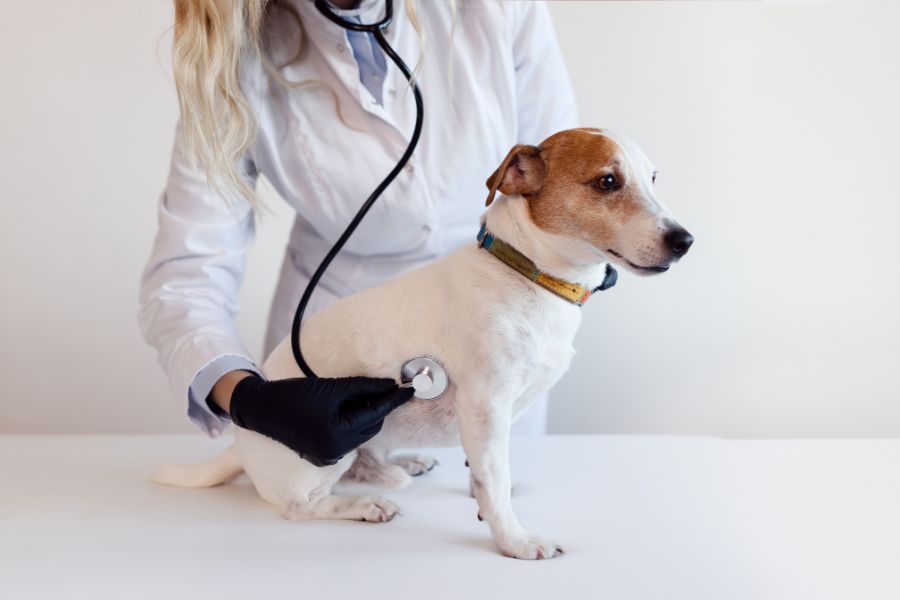
If you’re unsure whether your dog is getting enough activity, schedule a wellness visit with a veterinarian. They can evaluate your dog’s age, breed, body condition, and overall health to recommend an exercise plan tailored to their individual needs.
For pet owners in Bentonville, partnering with an experienced veterinary team makes it easier to keep your dog active, healthy, and happy through every stage of life.
At Dogwood Trails Animal Hospital, we’re committed to helping pets enjoy healthier lives through personalized wellness care and practical guidance. Whether you have an energetic puppy or a gentle senior companion, our team can help you develop an exercise routine that supports your dog’s long-term health. If you’ve ever searched for a ‘veterinarian near me‘, we’re here to provide compassionate care and trusted advice for your furry family member.
FAQs
Q1. How much exercise does my dog need each day?
Ans: The amount varies based on breed, age, health, and energy level. While some dogs are satisfied with a couple of daily walks, others require additional playtime, training, and mental enrichment to stay healthy and content.
Q2. Are mental activities as important as physical exercise?
Ans: Yes. Puzzle toys, scent games, training sessions, and sniffing walks challenge your dog’s mind and help reduce boredom. Mental stimulation is an important part of a balanced daily routine.
Q3. Is walking enough exercise for every dog?
Ans: Not always. Some dogs benefit from activities like hiking, swimming, agility, or interactive games in addition to regular walks. The ideal routine depends on your dog’s individual needs.
Q4. Can older dogs still benefit from daily exercise?
Ans: Absolutely. Gentle, low-impact activities help maintain mobility, muscle strength, and overall well-being. Exercise routines should be adjusted to match a senior dog’s comfort and physical condition.
Q5. How can I tell if my dog’s exercise routine needs to change?
Ans: Behavioral changes, weight gain, excessive restlessness, or difficulty keeping up during walks may indicate it’s time to adjust your dog’s activity level. A veterinarian can help determine the most appropriate plan.