Urgent Care & Walk-ins are Welcome!
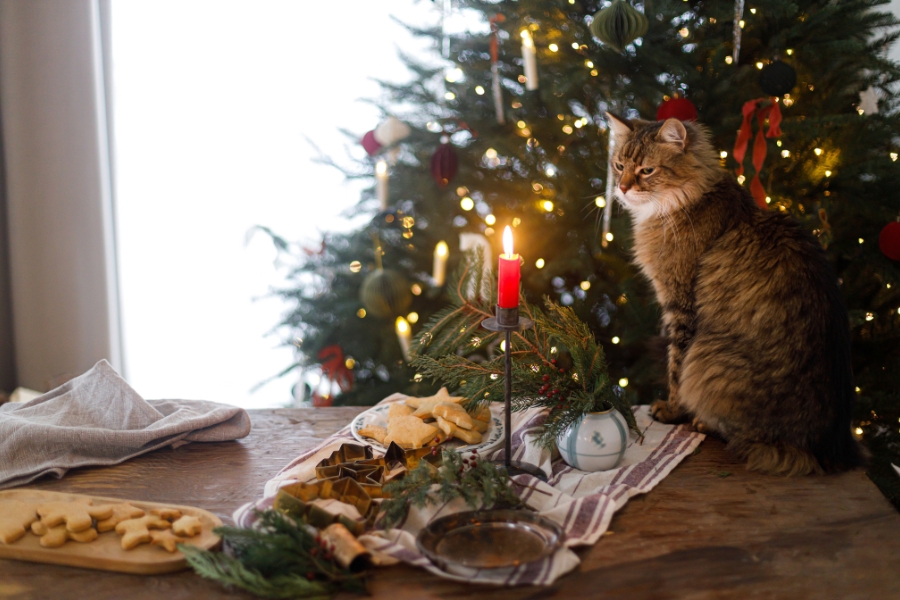
Christmas brings warmth, family gatherings, and festive traditions across Bentonville. From decorated homes to holiday meals, the season feels joyful and inviting. However, while the holidays are exciting for people, they can introduce serious risks for pets. Many common Christmas foods and decorations can quickly turn into emergencies when curious pets explore their surroundings.
Fortunately, with a little awareness and preparation, you can keep your pet safe while enjoying every moment of the season. This guide explains which foods and decorations to avoid, why they are dangerous, and how to create a pet-safe holiday environment at home.
Why Christmas Poses Unique Risks for Pets
During the holidays, routines change. Guests visit more often, food sits within reach, and decorations fill living spaces. As a result, pets encounter unfamiliar smells, textures, and objects that trigger curiosity. Even well-trained pets may grab food from low tables or chew on shiny decorations.
Additionally, holiday stress can affect animals. Loud gatherings, children running around, and changes in schedule may cause anxiety, which increases the likelihood of destructive or risky behavior. Therefore, understanding seasonal hazards becomes essential for protecting your pet’s health.
Holiday Foods That Are Unsafe for Pets
Christmas meals often include rich ingredients that pets cannot safely digest. While sharing may feel loving, many holiday foods cause digestive upset or toxic reactions.
Chocolate and Cocoa Products
Chocolate remains one of the most dangerous holiday treats for pets. It contains compounds that pets cannot process properly. Even small amounts can lead to vomiting, restlessness, abnormal heart rhythms, or worse. Baking chocolate and cocoa powder pose an even higher risk due to their concentration.
Cooked Bones and Fatty Meats
Although bones seem natural, cooked bones splinter easily. These sharp fragments can cause choking, mouth injuries, or internal damage. In addition, fatty meats such as ham, turkey skin, or gravy may trigger severe stomach upset or pancreatitis.
Onions, Garlic, and Seasonings
Holiday cooking often includes onions, garlic, leeks, and chives. These ingredients damage red blood cells in pets and may lead to weakness or anemia. Even powdered seasonings or leftovers mixed with these foods can cause harm.
Desserts, Dough, and Sugar Substitutes
Cookies, cakes, and dough contain sugar, yeast, or artificial sweeteners. Raw dough expands in the stomach and produces alcohol as it ferments. Some sugar substitutes can cause sudden drops in blood sugar, leading to disorientation or seizures.
Christmas Decorations That Can Harm Pets
Decorations make homes festive, but many items pose hidden dangers. Pets often chew, swallow, or knock over decorations without warning.
Christmas Trees and Tree Water
Real trees may shed needles that irritate the mouth or stomach. In addition, tree water often contains preservatives or bacteria that can upset your pet’s stomach. Even artificial trees can cause problems if pets chew on plastic needles.
Tinsel, Ribbon, and Garland
Shiny decorations attract pets, especially cats. However, when swallowed, tinsel and ribbon can cause serious intestinal blockages. These blockages often require surgery and can become life-threatening if untreated.
Ornaments and Glass Decorations
Glass ornaments break easily. If a pet knocks one down, sharp shards may cut paws or mouths. Small ornaments also pose a choking hazard when swallowed.
Candles and Electrical Cords
Open flames create burn risks, especially when pets wag their tails or jump onto furniture. Electrical cords from lights and displays may cause burns or electric shock if chewed.
Plants That Are Toxic During the Holidays
Many traditional holiday plants can cause poisoning if pets chew on them. Even small nibbles may lead to irritation or illness.
Poinsettias, holly, mistletoe, and amaryllis commonly appear in Bentonville homes during Christmas. While symptoms vary, ingestion often causes drooling, vomiting, or digestive discomfort. Keeping plants out of reach or choosing pet-safe alternatives reduces risk.
How to Create a Pet-Safe Christmas at Home
Preventing holiday emergencies starts with planning. Small changes can make a meaningful difference.
- Place food out of reach and avoid feeding table scraps
- Secure trash cans and food containers
- Anchor Christmas trees to prevent tipping
- Use shatter-resistant ornaments on lower branches
- Keep candles and cords inaccessible
- Provide safe chew toys to redirect curiosity
Additionally, maintaining your pet’s routine helps reduce anxiety. Regular feeding times, walks, and quiet spaces allow pets to feel secure despite holiday excitement.
What to Do If Your Pet Gets Into Something Dangerous
Despite precautions, accidents happen. Early signs of trouble include vomiting, drooling, lethargy, pacing, or refusal to eat. If you notice unusual behavior, act quickly. Timely care often prevents complications and improves outcomes.
Knowing which foods or objects your pet may have ingested helps veterinarians respond efficiently. Therefore, keeping packaging or identifying missing decorations can be useful during an emergency visit.
Keeping Bentonville Pets Safe All Season Long
Christmas in Bentonville brings community events, family meals, and beautifully decorated homes. While enjoying local traditions and celebrations, pet safety deserves equal attention. By staying aware of seasonal hazards and making thoughtful adjustments, you protect your pet from unnecessary risk.
A calm, safe environment allows everyone to enjoy the holidays together without stress or emergency disruptions.
The holidays should feel joyful, not stressful. By avoiding dangerous foods, securing decorations, and watching for early warning signs, you take an important step toward protecting your pet this Christmas. If you have questions or concerns during the season, contact our veterinary hospital at Dogwood Trails Animal Hospital in Bentonville, AR. Our team is here to support your pet’s health before, during, and after the holidays.
Frequently Asked Questions
Q1. Can pets eat small amounts of holiday leftovers?
Ans. Even small portions of seasoned or fatty foods may cause digestive upset. It is safest to stick with your pet’s regular diet during the holidays.
Q2. Are artificial Christmas trees safer than real ones?
Ans. Artificial trees do not shed needles, but pets may chew plastic parts. Both types require supervision and proper placement to stay safe.
Q3. Why is tinsel dangerous for pets?
Ans. Tinsel can cause intestinal blockages if swallowed. These blockages often require surgery and can become serious quickly.
Q4. Can pets drink Christmas tree water?
Ans. Tree water may contain chemicals or bacteria. Pets should not drink it, as it can cause stomach upset.
Q5. Are holiday plants always toxic?
Ans. Many common Christmas plants irritate the digestive system. Keeping them out of reach prevents accidental ingestion.
Q6. How can I reduce holiday stress for my pet?
Ans. Maintain routines, provide quiet spaces, and limit exposure to loud gatherings. Familiar patterns help pets feel secure during busy celebrations.