Urgent Care & Walk-ins are Welcome!

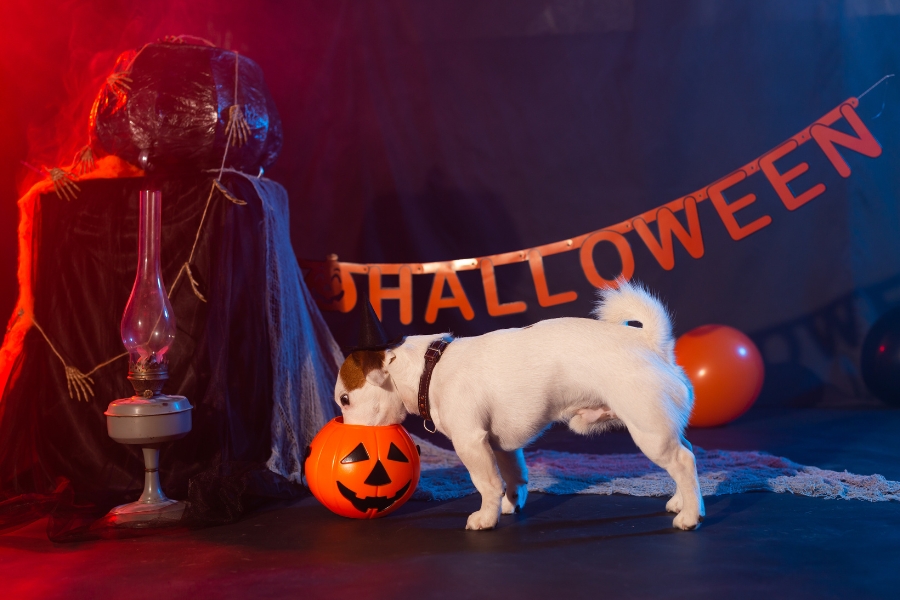
Halloween is a fun, family-friendly event, but for pets, it can be confusing, noisy, and even frightening. Costumes, candy, and decorations bring excitement—but they can also pose risks. That’s why veterinarians stress the importance of choosing Halloween products that are safe, comfortable, and calming for your furry friends.
If you’re a new pet parent, don’t worry—this guide covers top veterinarian-recommended pet Halloween products and practical tips to help your dog or cat enjoy the festivities safely.
Why Vet-Recommended Pet Products Matter
Halloween introduces new sights, sounds, and smells that can easily overwhelm pets. Doorbells, trick-or-treaters, flashing lights, and costumes can trigger stress or anxiety. Some pets may even run away or chew on dangerous decorations.
Veterinarians recommend using pet-friendly Halloween gear designed for comfort, visibility, and safety. From calming collars to safe costumes and pet-approved treats, the right products can make all the difference.
1. Calming Collars for Anxious Pets
For many pets, Halloween is stressful. The constant noise, visitors, and strange costumes can cause barking, trembling, or hiding. Calming collars infused with natural pheromones or essential oils can help your pet stay relaxed throughout the night.
Tip for new pet owners: Introduce calming products a few days before Halloween. Let your pet wear the collar around the house for short periods to help them adjust. Always observe their behavior and remove it if you notice discomfort.
If your pet has ongoing anxiety, contact your veterinarian. They can suggest additional calming aids or behavior techniques suited to your pet’s specific needs.
2. Safe and Comfortable Costumes
Pet costumes are adorable, but safety must come first. Choose breathable materials that don’t restrict movement or vision. Costumes should never have small, detachable pieces that your pet could chew or swallow.
Here’s how to make costumes stress-free:
- Check that your pet can walk, breathe, and see easily.
- Avoid tight elastics or accessories around the neck.
- Limit costume time to short, supervised sessions.
- Watch for signs of stress like shaking, scratching, or trying to remove the costume.
If your pet seems uncomfortable, it’s best to skip the costume altogether. A simple themed bandana or collar can still look festive without causing stress.
3. Pet-Safe Treats Instead of Candy
Human candy—especially chocolate, raisins, and sweets containing xylitol—is toxic to pets. Instead, look for veterinarian-approved pet treats made from wholesome, digestible ingredients like pumpkin, sweet potato, or plain chicken.
Tip: Keep all candy bowls, wrappers, and decorations out of reach. Even empty wrappers can cause stomach upset or choking if swallowed.
For pets on special diets or with allergies, consult your veterinarian before introducing new treats. They can help you choose the safest options for your furry friend.
4. Keep Decorations Pet-Friendly
Halloween decorations can be fascinating to pets but also dangerous. Electrical cords, candles, fake cobwebs, and glow sticks may tempt curious animals. To keep your pet safe:
- Place lit candles and pumpkins out of reach.
- Avoid dangling cords and battery-operated lights.
- Skip glow sticks, as they contain chemicals that can irritate the mouth if chewed.
- Keep decorations simple in areas where your pet roams.
Pro tip: Create a cozy “safe zone” for your pet—perhaps a quiet room with their favorite blanket, toys, and calming music. It’s a great retreat when the festivities get too loud.
5. Identification and Safety Essentials
With doors opening frequently for trick-or-treaters, pets can accidentally slip outside. Make sure your pet’s collar fits securely and that their ID tag and microchip information are up to date. Reflective or glow-in-the-dark collars can also improve visibility if you plan to go for an evening walk.
If your pet is sensitive to crowds, it’s perfectly fine to let them skip the celebration altogether. A calm, quiet night inside is often the safest and happiest option.
6. Quick Checklist for a Safe Pet Halloween
Before Halloween night arrives, run through this vet-approved checklist:
✅ Introduce calming collars or aids in advance.
✅ Test your pet’s costume for comfort and fit.
✅ Keep all candy, chocolate, and wrappers away from pets.
✅ Set up a quiet, safe space away from the door.
✅ Update ID tags and microchip information.
✅ Supervise your pet at all times during festivities.
Halloween can be a fun event for everyone, including your pets—when planned with care. By choosing veterinarian-recommended Halloween products, keeping safety top of mind, and preparing your pet in advance, you’ll ensure a stress-free, tail-wagging celebration.
If you’re ever uncertain about what’s best for your furry companion, contact your veterinarian. Their advice will help you keep your pet healthy, comfortable, and ready for all the spooky fun ahead.
Happy Halloween! 🎃🐾
FAQs
Q1. Is it safe to dress my pet in a costume for Halloween?
Ans. Yes—if the costume fits comfortably, allows free movement, and doesn’t restrict breathing or vision. Always supervise your pet while they’re dressed up.
Q2. What treats are safe for pets during Halloween?
Ans. Use pet-specific treats made from natural ingredients. Avoid giving them human candy or sweets containing chocolate, raisins, or xylitol.
Q3. How can I calm my pet during Halloween?
Ans. Try a calming collar, play soft music, and provide a quiet retreat space. Keeping their routine consistent can also help reduce anxiety.
Q4. Are Halloween decorations dangerous for pets?
Ans. Yes—wires, glow sticks, and small ornaments can pose choking or poisoning risks. Keep all decorations out of reach and avoid open flames.
Q5. What should I do if my pet eats Halloween candy?
Ans. Call your veterinarian or an emergency animal clinic immediately. Bring the candy wrapper, if possible, so the vet knows what was ingested.
Q6. When should I contact my veterinarian for advice?
Ans. If your pet shows signs of anxiety, vomiting, or unusual behavior—or you’re unsure which products are safe—contact your veterinarian for professional guidance.